
Ultra Fast Chargers Slash EV Wait Times
The electric vehicle (EV) revolution is accelerating, but one aspect remains a sticking point for many drivers: charging. The wait, the planning, the awkward…
By LED Marine Editorial4 min read
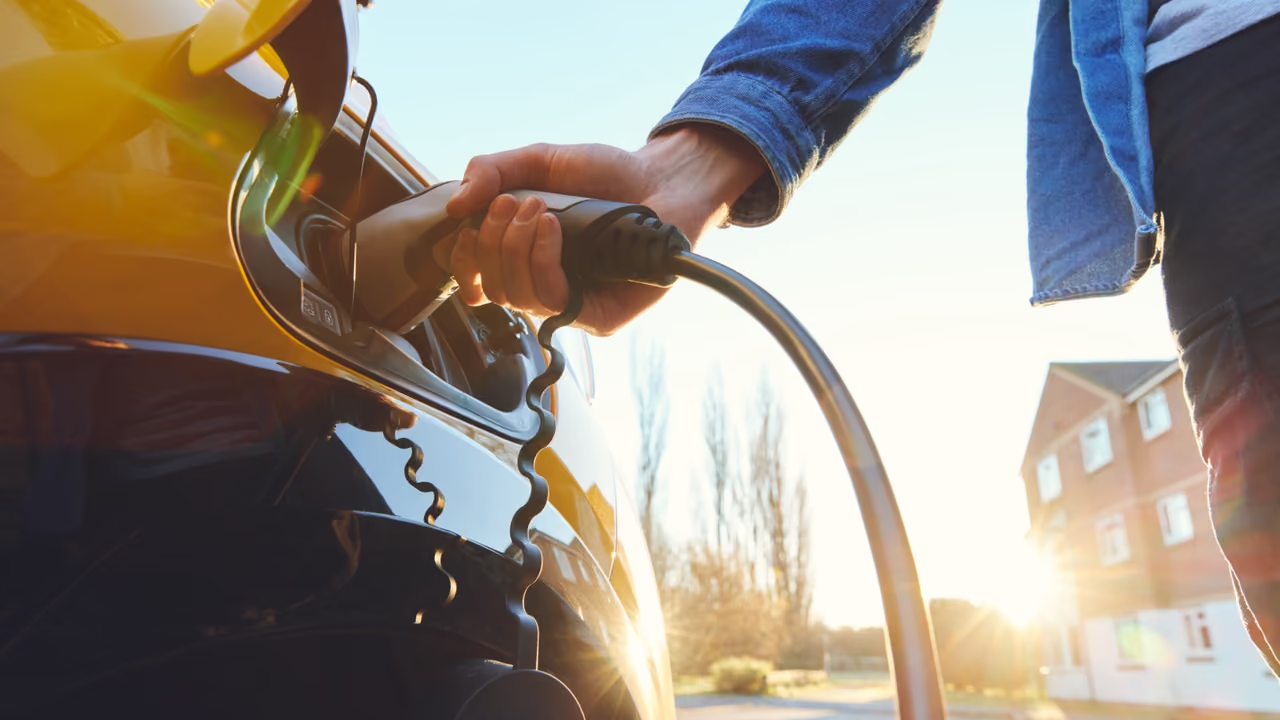
The electric vehicle (EV) revolution is accelerating, but one aspect remains a sticking point for many drivers: charging. The wait, the planning, the awkward plugs—these are all part of the current EV experience. However, technology is evolving fast, promising to turn EV charging from a necessary chore into a seamless, even enjoyable part of driving. Here’s a look at some of the most exciting advancements on the horizon that could redefine how we power our electric rides.
Wireless Charging The Road to Convenience
Imagine pulling into your driveway and your car starts charging automatically, no cables, no fuss. That’s the promise of wireless charging, also known as inductive charging. This technology uses electromagnetic fields to transfer energy between two coils—one embedded in the ground and the other in your vehicle.
Wireless charging is already making headway in some cities and pilot projects, but the future holds much more. Advanced versions will allow higher power transfer rates, meaning faster charges without the need for physical connectors. This could also mean public parking lots or even street parking spots come equipped with wireless pads, allowing for top-ups while you shop or work.
Moreover, wireless charging eliminates wear and tear on both cables and car ports, reducing maintenance hassles. It also makes charging accessible to a wider range of users, including those with mobility challenges. The convenience factor alone could push EV adoption further, making electric cars as easy to fuel as their gas-powered counterparts.
Ultra-Fast Charging Stations Cutting Down Wait Times
One of the biggest complaints about EVs today is charging time. Even the best fast chargers can take 20-30 minutes for an 80% charge, which feels like an eternity compared to filling a gas tank in minutes. The next generation of ultra-fast charging stations aims to slash this time dramatically.
Companies are developing chargers capable of delivering power at rates exceeding 350 kW, and research is pushing that even higher. Some experimental stations are targeting 500 kW or more, which could theoretically add hundreds of miles of range in under 10 minutes.
But it’s not just about raw speed. These chargers are also becoming smarter, capable of adjusting power delivery based on battery condition to maximize longevity and safety. This means no more worries about fast charging ruining your battery over time.
Ultra-fast stations will likely become a fixture along highways and in urban hubs, making long-distance EV travel more practical and convenient than ever.
Smart Grid Integration Charging Meets Energy Efficiency
Electric vehicles don’t just draw power—they can also give it back. This two-way flow is a key feature of vehicle-to-grid (V2G) technology, which integrates EV charging with the broader electrical grid to improve energy efficiency and stability.
Smart grids use real-time data and communication to balance electricity supply and demand. When EVs are plugged in, they can act as mobile energy storage units, feeding power back to the grid during peak demand or drawing power when renewable sources like solar and wind are abundant.
This integration could help reduce electricity costs for consumers and reduce strain on the grid, especially as EV adoption surges. Imagine your car charging overnight when electricity is cheap and clean, then selling some of that stored energy back to your home or grid during a hot afternoon, earning you credits or cash.
Smart grid-connected charging also opens the door for dynamic pricing models, encouraging charging during off-peak hours and promoting greener energy use. It’s a win-win for the environment and your wallet.
Portable EV Chargers Power On the Go
Despite the growth of public charging infrastructure, there will always be moments when you need to juice up away from a station. Enter portable EV chargers—compact, lightweight devices that bring charging flexibility wherever you are.
Today’s portable chargers are mostly slow, relying on standard power outlets, but the future is brighter. Advances in battery technology and power electronics are paving the way for high-capacity, fast portable chargers that can connect to various power sources, including solar panels or even other EVs.
These chargers will be invaluable for road trips, emergencies, or even urban dwellers without dedicated parking spots. Some designs are integrating modular batteries that can be swapped or shared among vehicles, creating a new ecosystem of mobile charging solutions.
Imagine carrying a charger that not only powers your car but also serves as a backup battery for your home during outages or powers your camping gear off-grid. Portable EV chargers are set to become indispensable tools for modern EV owners.