Five Ways to Save on Home EV Charging
How does installing an electric vehicle (EV) charging system at home change the way you use energy and manage your monthly bills? As EVs become more common…
By LED Marine Editorial3 min read
How does installing an electric vehicle (EV) charging system at home change the way you use energy and manage your monthly bills? As EVs become more common, the question is less about if you should charge at home and more about how it affects your household energy consumption and what you can do to make it cost-effective.
Understanding Home EV Charging Systems
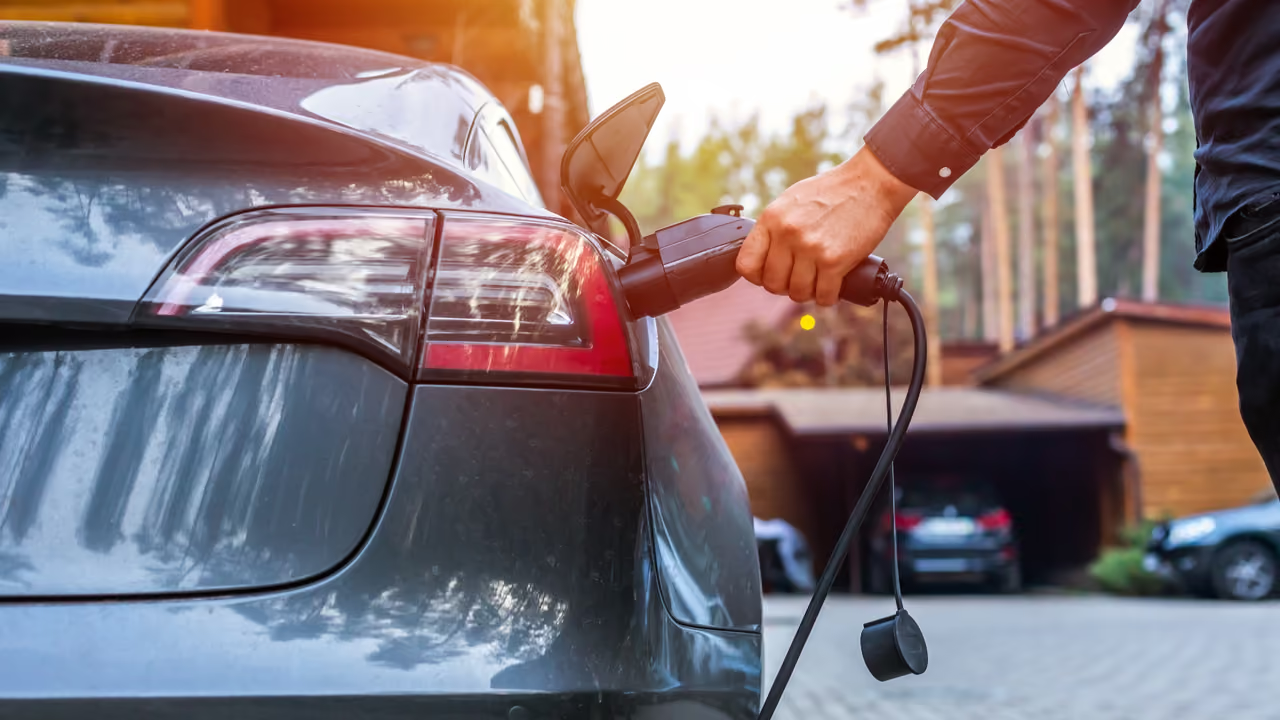
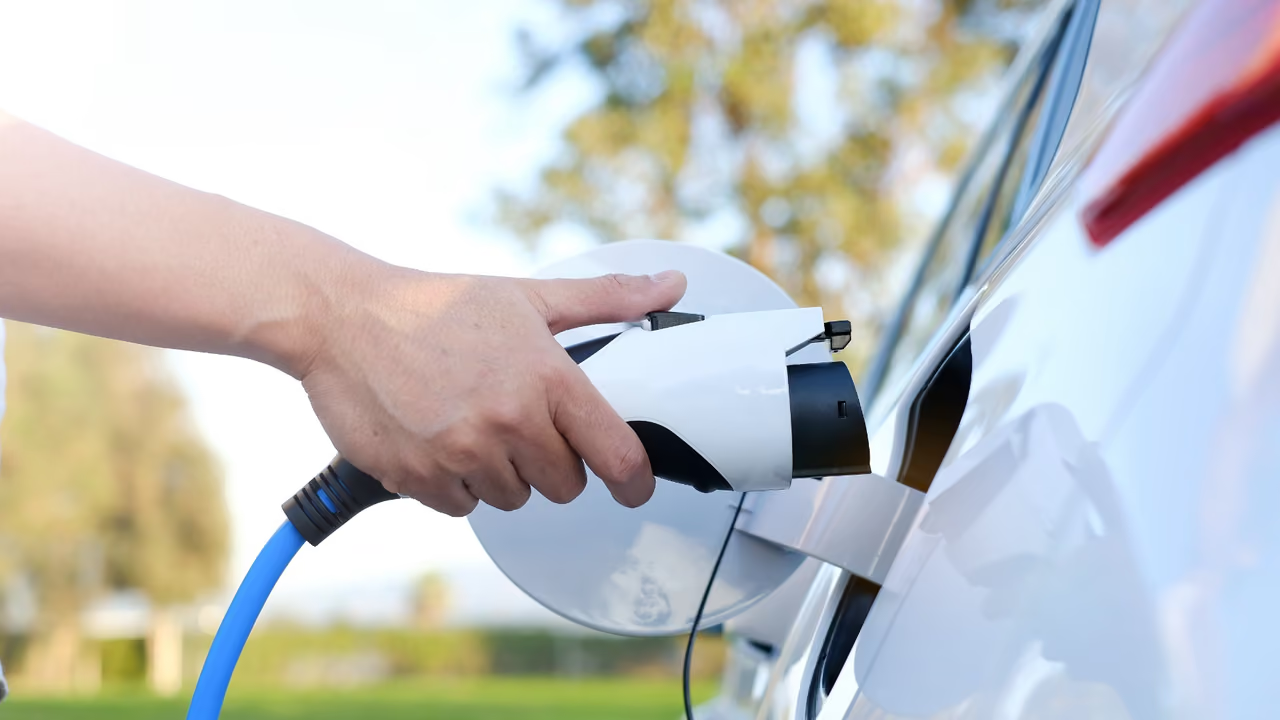
Home EV charging is typically done through one of two methods: Level 1 or Level 2 charging. Level 1 charging uses a standard 120-volt outlet and is the slowest, often adding only 3 to 5 miles of range per hour. Level 2 chargers, on the other hand, require a 240-volt outlet and can deliver up to 25 miles of range per hour or more.
Most EV owners opt for a Level 2 charger installed in their garage or driveway because it offers a practical balance between installation cost and charging speed. These chargers connect directly to the home’s electrical panel and usually require a dedicated circuit.
Understanding the infrastructure involved is key. A Level 2 charger typically pulls between 3.3 kW and 7.7 kW of power. When charging overnight, this adds a significant load to your household’s overall electricity usage.
Analyzing the Impact on Household Energy Usage
Adding an EV charger to a home inevitably increases electricity consumption. For instance, if you drive 30 miles daily, you might use around 10 kWh of electricity to recharge your battery, depending on your vehicle’s efficiency. Over a month, that’s approximately 300 kWh, on top of your usual household consumption.
This uplift can increase your electricity bill noticeably, especially if your home previously had low energy usage. However, the extent of this impact varies widely based on factors like:
- Existing household energy usage: High-consumption homes may see a smaller proportional increase.
- Electricity rates: Time-of-use rates can make a big difference in cost.
- Charging habits: When and how often you charge influences total energy costs.
Moreover, the added load could stress your home’s electrical panel if it’s not rated for the increased demand. This might require panel upgrades, which add upfront costs but ensure safe and efficient charging.
Strategies to Optimize Home Charging Costs
Saving money while charging your EV at home is possible with some smart planning. Here are a few strategies to keep your energy bills in check:
- Use off-peak charging: Many utilities offer lower rates during nighttime or other low-demand hours. Setting your charger to run during these times can slash your electricity costs.
- Install solar panels: If you have solar power, charging your EV during the day can maximize the use of clean, free energy and reduce reliance on the grid.
- Monitor energy consumption: Smart chargers and energy management systems provide data on your charging habits and costs, helping you adjust usage patterns.
- Consider demand charges: Some regions apply demand charges based on peak power use. Avoiding simultaneous high draws from household appliances and the EV charger can prevent extra fees.
- Explore utility incentives: Many areas offer rebates or reduced rates for EV charger installations and electricity usage tailored for EV owners.
Future Trends in Residential EV Charging Technology
The technology behind home EV charging is evolving rapidly. Emerging trends promise to make charging more efficient, affordable, and integrated with home energy systems.
- Vehicle-to-Grid (V2G) technology: This allows your EV to send electricity back to the grid during peak demand, potentially earning you credits or reducing your bills.
- Smart chargers with AI: Chargers that learn your driving and energy usage patterns to optimize charging schedules and minimize costs.
- Wireless charging: Though still in early stages, wireless home charging pads could simplify the charging process, eliminating cables and plugs.
- Improved integration with renewable energy: Home energy systems will increasingly coordinate EV charging with solar, battery storage, and home energy management platforms for maximum efficiency.
With these advancements, home EV charging will not just be a matter of convenience but a strategic element of home energy management, reducing both environmental impact and household expenses.