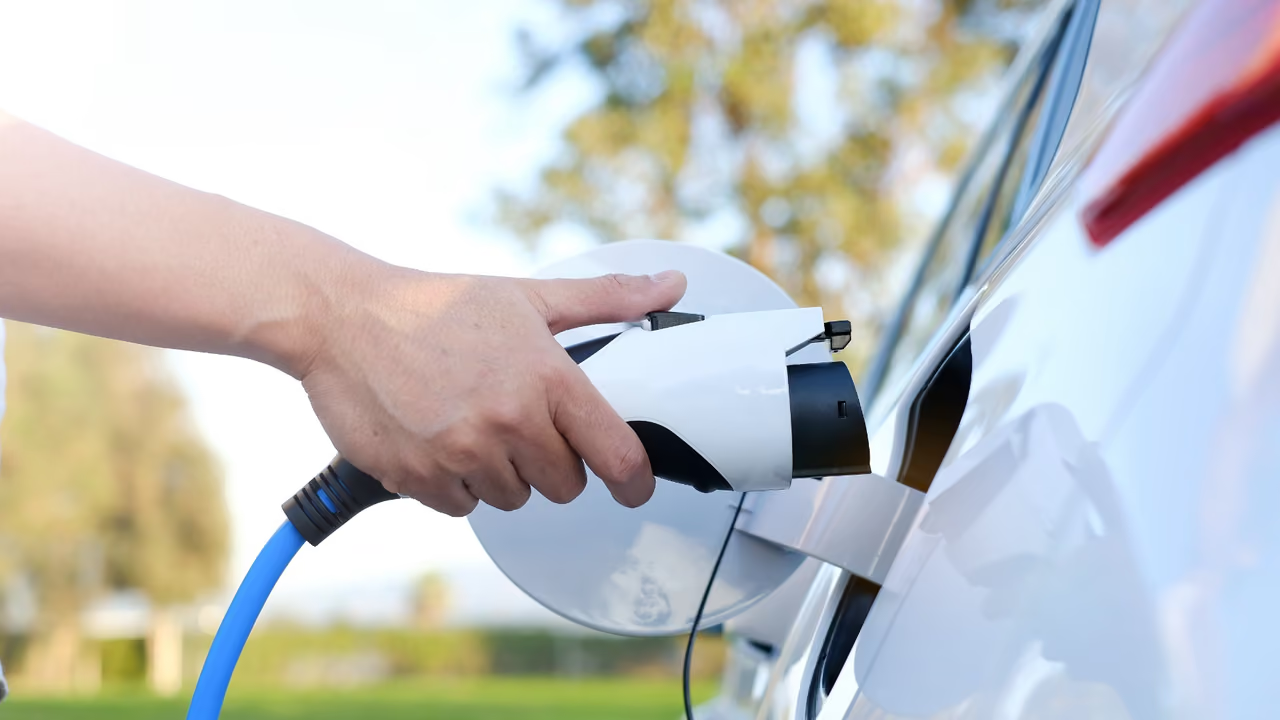
Solar and Wind Revolutionize EV Stations
Electric vehicle (EV) charging is evolving beyond simple plug-in stations, embracing renewable energy sources to power the shift toward sustainable…
By LED Marine Editorial4 min read

Electric vehicle (EV) charging is evolving beyond simple plug-in stations, embracing renewable energy sources to power the shift toward sustainable transportation. Integrating solar, wind, and other green energies with EV charging infrastructure offers a promising path to reduce carbon footprints and create self-sufficient, eco-friendly charging ecosystems.
How Renewable Energy Powers EV Charging
Traditional EV charging stations draw electricity from the grid, which often depends on fossil fuels. By contrast, renewable energy-powered charging stations harness natural sources like sunlight and wind to generate electricity on-site or feed clean energy into the grid. This approach can significantly lower greenhouse gas emissions associated with EV charging.
Solar panels installed on charging station rooftops or nearby land capture sunlight, converting it into direct current electricity. Wind turbines, where feasible, generate power from the kinetic energy of air currents. These sources can either directly charge EVs or store energy in batteries for later use. The integration of such renewables means charging stations can operate independently or supplement grid power, reducing reliance on non-renewable energy.
Technological Innovations in Solar and Wind Integration
Recent advances in technology have made it easier and more efficient to merge renewable energy with EV charging. For solar, improvements in photovoltaic (PV) cell efficiency and the dropping costs of solar panels allow for larger and more affordable installations. Flexible solar panels and solar canopies are increasingly common, enabling urban and rural charging sites to generate power without requiring extensive space.
Wind power integration has also gained traction, especially in regions with consistent wind patterns. Small-scale vertical-axis wind turbines are being designed specifically for charging stations, offering quieter operation and easier maintenance compared to traditional turbines.
One crucial innovation is the use of smart energy management systems. These systems optimize when and how renewable energy is used. For example, they can prioritize solar power during daylight hours and switch to battery storage or grid power when renewables aren’t producing enough energy. This ensures continuous charging availability while maximizing the use of clean energy.
Additionally, vehicle-to-grid (V2G) technology allows EVs themselves to act as mobile energy storage units, feeding stored electricity back to the grid or charging station during peak demand. This bidirectional flow supports grid stability and enhances the sustainability of the entire system.
Benefits of Off-Grid EV Charging Stations
Off-grid EV charging stations powered by renewables offer several compelling advantages:
- Energy Independence: These stations can operate in remote locations without access to the traditional electrical grid, opening up new possibilities for EV travel in rural or underserved areas.
- Reduced Operating Costs: After the initial investment in renewable infrastructure, ongoing energy costs are minimal since sunlight and wind are free. This can translate to lower charging fees for users.
- Environmental Impact: Off-grid stations eliminate the carbon emissions associated with grid electricity, making EV charging truly green.
- Grid Relief: By generating and consuming their own energy, these stations reduce strain on local power grids, especially during peak times.
Several pilot projects worldwide showcase off-grid charging stations equipped with solar arrays and battery storage, proving that self-sufficient EV charging is not just theoretical. These stations provide reliable power even during grid outages, enhancing resilience against natural disasters or infrastructure failures.
Challenges and Future Prospects of Renewable-Powered EV Charging
Despite the promise, integrating renewables into EV charging infrastructure faces notable challenges. The intermittent nature of solar and wind energy means consistent power supply is difficult without effective storage solutions. Batteries add cost, require maintenance, and have environmental impacts of their own.
Initial capital costs for renewable-powered charging stations remain relatively high, especially when combining solar, wind, and storage technologies. This can slow adoption, particularly in regions without subsidies or strong policy incentives.
Technical hurdles such as optimizing energy management systems, ensuring compatibility with diverse EV models, and scaling up installations also need ongoing attention. Moreover, geographic limitations affect feasibility — not all locations receive enough sunlight or wind to make renewable-powered charging viable without grid support.
Looking ahead, improvements in energy storage, such as solid-state batteries and more efficient supercapacitors, could make renewable-powered charging stations more reliable and affordable. Advances in AI-driven energy management could further optimize the use of available renewable resources and grid interactions.
Policy frameworks that encourage renewable energy integration, provide financial incentives, and support infrastructure development will be critical in accelerating this transition. As EV adoption grows, the demand for sustainable charging options will increase, pushing innovation and investment in this space.