Charging Challenges Shape Urban Landscapes
City streets are changing in ways few could have predicted just a decade ago. The hum of combustion engines is giving way to the quiet whir of electric…
By LED Marine Editorial3 min read

City streets are changing in ways few could have predicted just a decade ago. The hum of combustion engines is giving way to the quiet whir of electric motors, and this shift is forcing urban planners to rethink how cities function and grow. Electric cars are not just a new type of vehicle; they are reshaping the very fabric of our urban environments.
Charging Infrastructure Challenges and Innovations
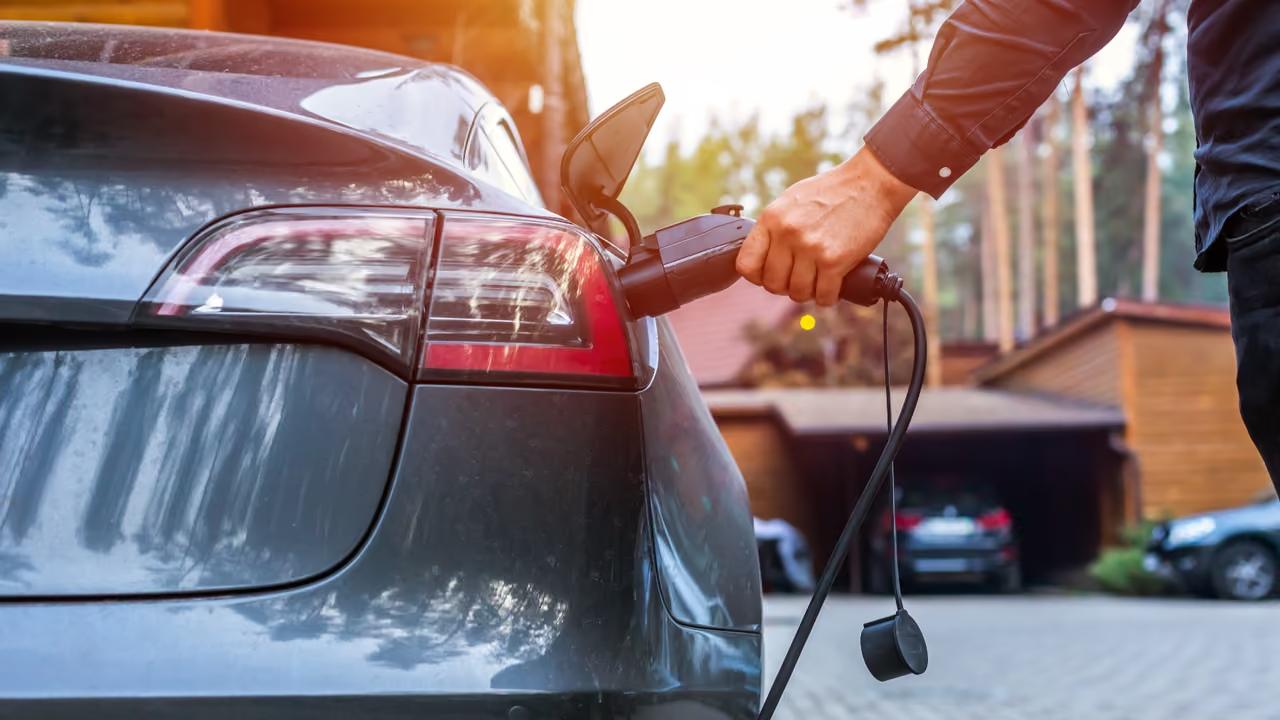
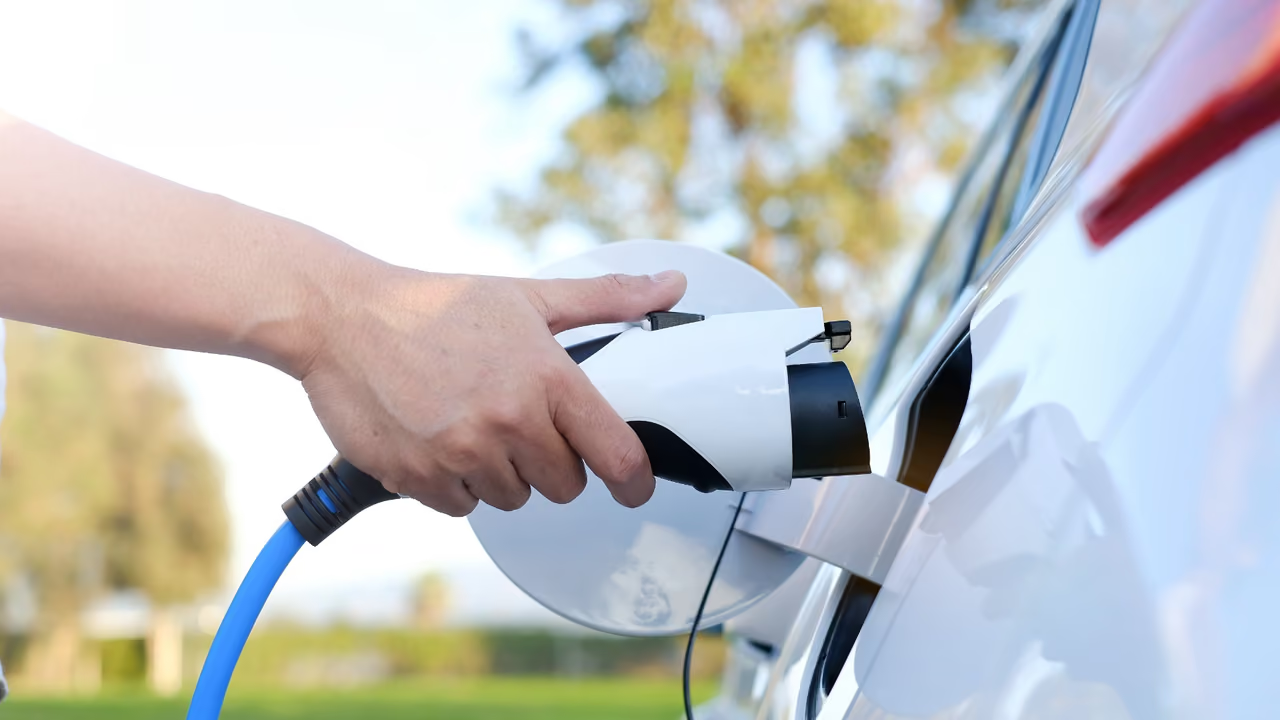
One of the biggest hurdles in urban planning for electric cars is establishing a robust and accessible charging infrastructure. Unlike gas stations, which are widely spaced and easily located, charging points need to be more numerous and strategically placed to meet the demands of daily commuters and residents who often lack private parking.
Traditional urban layouts often don’t account for the space and power requirements of charging stations. Installing chargers in dense city centers means contending with limited curb space, underground utilities, and the high costs of electrical upgrades. Cities are experimenting with various solutions, including curbside chargers embedded in sidewalks and lamppost conversions that integrate charging outlets.
Innovative approaches, such as wireless charging pads embedded in parking spots or even roadways, promise to make charging less intrusive and more efficient, but these are still in early testing phases. Meanwhile, the rise of ultra-fast chargers is reducing wait times but requires significant grid capacity—something many cities are not currently equipped to handle without substantial investment.
Redesigning Streets for Electric Mobility
Electric cars bring an opportunity to rethink street design, not just to accommodate charging but to improve urban life overall. Because electric vehicles (EVs) are quieter and produce no tailpipe emissions, cities can consider new zoning and traffic management strategies that prioritize cleaner mobility.
Some urban planners advocate for narrower lanes and expanded green spaces, capitalizing on the reduced noise and pollution to create pedestrian-friendly zones. With fewer constraints from exhaust-related ventilation needs in underground parking, there’s also potential to redesign garages and parking lots to be more space-efficient or repurposed entirely.
Moreover, electric vehicles’ compatibility with smart city technologies encourages integration of sensors and data systems to optimize traffic flow, parking availability, and energy use. This intelligent infrastructure can dynamically manage charging demand and reduce congestion, turning streets into more than just conduits for cars.
Electric Cars and Public Transportation Integration
The future of urban mobility isn’t about electric cars replacing public transportation but working alongside it in a more integrated system. Cities are exploring ways to connect EVs with public transit hubs, creating seamless multi-modal journeys that reduce reliance on personal vehicles.
Electric car-sharing programs and on-demand electric shuttles are examples of this synergy. They provide last-mile solutions that complement buses and trains, making public transit more accessible and convenient. Charging stations placed at transit stops can serve multiple purposes, supporting both private EV owners and fleet vehicles.
Beyond passenger transport, electric delivery vans and cargo bikes are reshaping urban logistics. By enabling quieter, cleaner last-mile deliveries, these EVs reduce the strain on city centers during peak hours and help maintain air quality standards.
Environmental and Social Impacts on Urban Life
The shift to electric vehicles has profound implications for the environment and social dynamics within cities. Cleaner air is the most immediate and visible benefit, with reductions in nitrogen oxides and particulate matter improving respiratory health, especially in historically polluted neighborhoods.
However, this transition also highlights issues of equity. Access to charging infrastructure can be uneven, often favoring wealthier areas with private parking and more space for home chargers. Without intentional planning, lower-income residents risk being left behind in the EV revolution.
On a broader scale, electric cars could alter urban demographics and real estate patterns. Reduced noise pollution and improved air quality may make city centers more attractive, encouraging denser, walkable communities. Conversely, the convenience of EVs with longer ranges and faster charging might encourage suburban sprawl if not carefully managed.
Ultimately, how cities integrate electric cars will shape not just transportation but the health, social fabric, and environmental footprint of urban life for years to come.