Three Key Benefits of Charging EVs at Home
How can home-based EV charging solutions speed up the shift to electric vehicles for everyone? Understanding Home EV Charging Types and Technologies When it…
By LED Marine Editorial4 min read
How can home-based EV charging solutions speed up the shift to electric vehicles for everyone?
Understanding Home EV Charging Types and Technologies
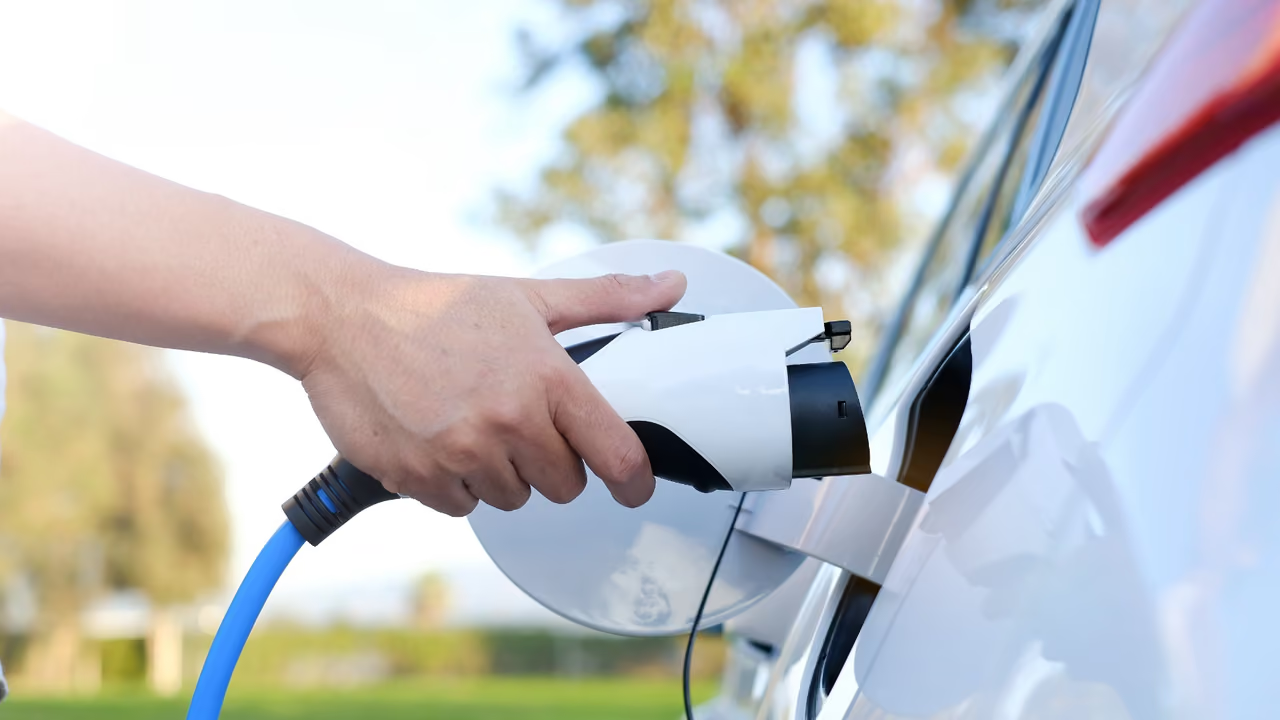
When it comes to charging electric vehicles (EVs) at home, not all chargers are created equal. The most common types fall into two categories: Level 1 and Level 2 chargers. Level 1 chargers use a standard 120-volt household outlet, delivering about 2 to 5 miles of range per hour of charging. This slow pace might work for those who drive short distances daily and can leave their car plugged in overnight.
Level 2 chargers, on the other hand, require a 240-volt outlet—similar to what an electric dryer or oven uses—and can provide 10 to 60 miles of range per hour. Installing a Level 2 charger is a bigger upfront investment, often involving electrical upgrades, but it dramatically cuts down charging time and adds convenience.
Then there’s the emerging technology of smart chargers. These devices connect to your home Wi-Fi and can be controlled via apps. They allow you to schedule charging during off-peak electricity hours, monitor energy consumption, and sometimes integrate with renewable energy sources like solar panels.
Benefits of Home Charging for EV Owners
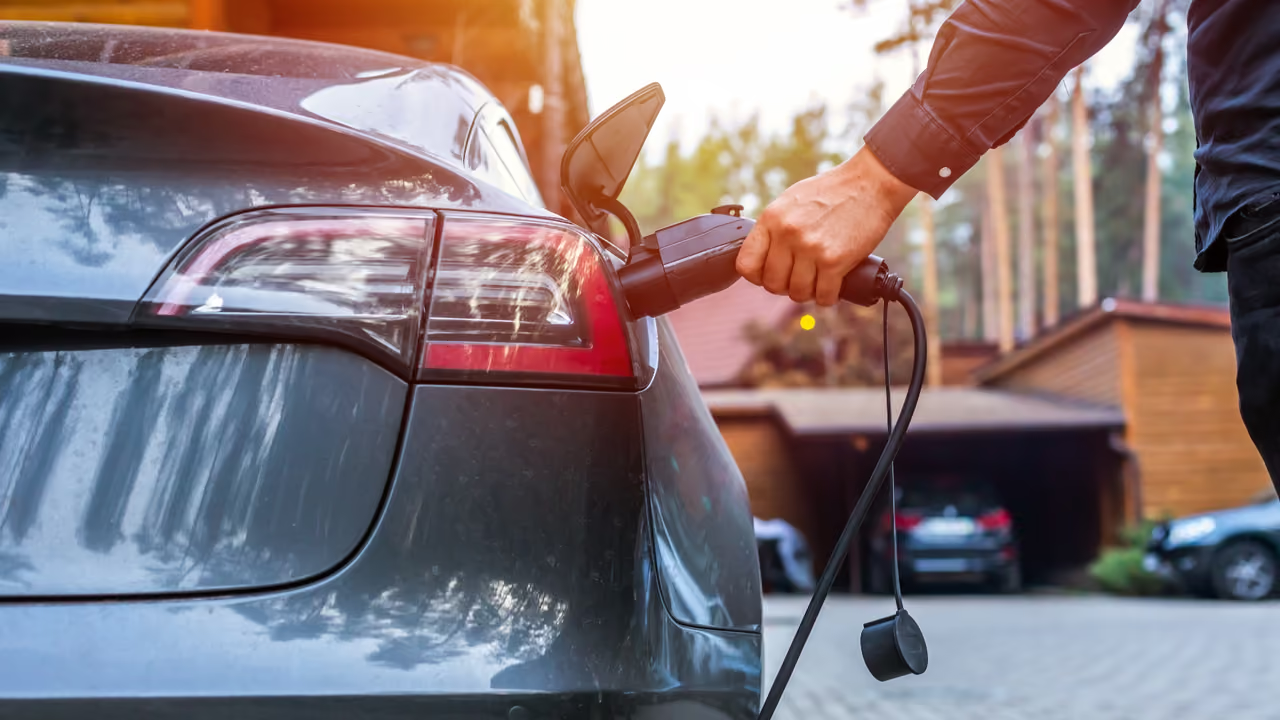
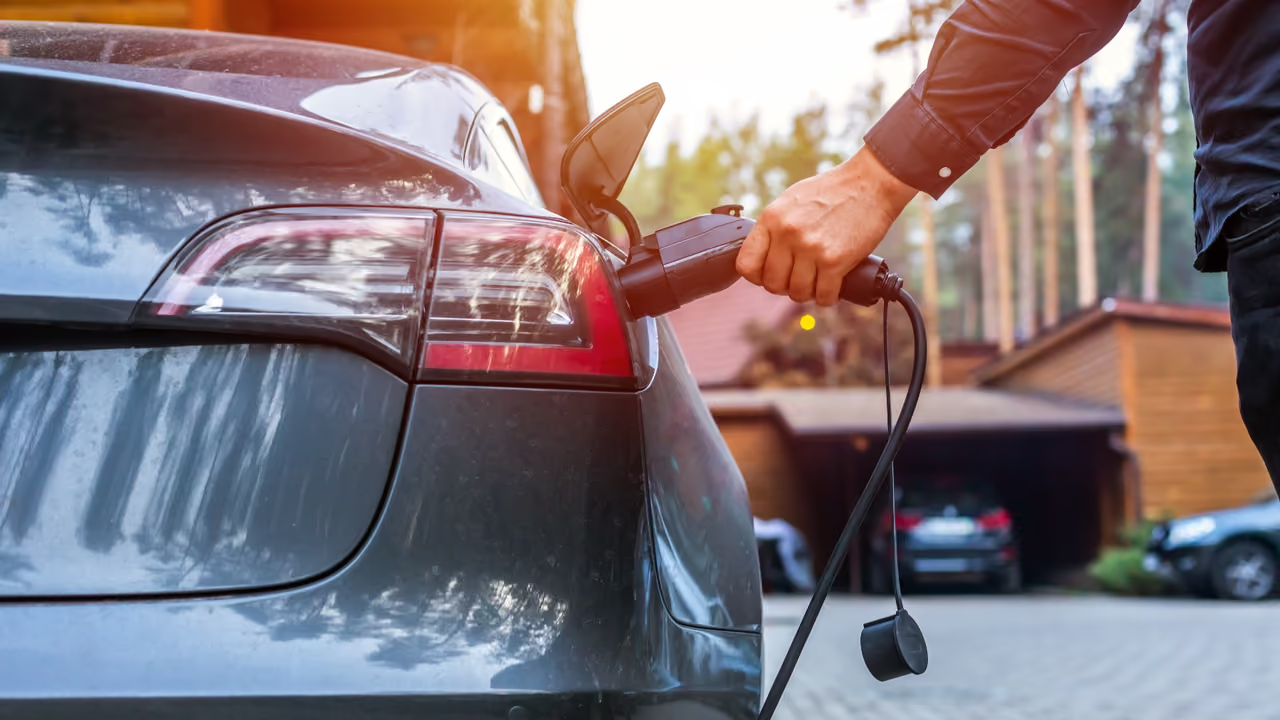
Charging at home is a game-changer for EV owners. First, it offers unmatched convenience. Instead of hunting for public chargers or waiting in line, you simply plug in overnight and wake up to a full battery.
Cost savings are significant too. Electricity rates at home tend to be lower than public charging stations, especially when you can leverage time-of-use rates. This means you can schedule your charging during cheaper night hours, cutting down on the cost per mile compared to gas.
Home charging also supports better battery health. Slow, steady charging (like what Level 1 or Level 2 chargers offer) is gentler on batteries compared to fast DC chargers, which can degrade battery life over time.
Finally, home charging reduces strain on public infrastructure. As more EV owners charge at home, public stations can better serve those without private parking or those on longer trips.
Challenges and Solutions in Installing Home EV Chargers
Despite the perks, setting up a home EV charger isn’t always straightforward. The biggest hurdle is electrical capacity. Older homes may not have the wiring or circuit breakers needed to support a Level 2 charger. In some cases, upgrading your electrical panel or installing new circuits is mandatory, which can get pricey and require professional electricians.
Another challenge is parking. Not everyone has a dedicated garage or driveway where they can safely install and leave a charger. Apartment dwellers or those in urban areas often face barriers here, sometimes lacking permission from landlords or homeowners associations.
Thankfully, solutions are emerging. Some companies offer portable Level 2 chargers that can plug into existing outlets, though they charge slower. For those without private parking, local governments and property managers are increasingly installing shared EV chargers in parking lots and garages.
Financial incentives also help. Many states and municipalities offer rebates, tax credits, or reduced installation fees that can make setting up a home charger more affordable. Utilities sometimes provide special EV rates or incentives to encourage home charging, too.
The Future of Home Charging Integration with Renewable Energy and Smart Homes
Looking ahead, home EV charging is poised to become smarter and cleaner. The integration with renewable energy, primarily solar panels, is a natural fit. Imagine your car charging during the day using the sun’s power, drastically cutting your carbon footprint and electric bills.
Smart chargers will play a key role here. They can manage when and how your EV charges, syncing with solar production and household energy usage. This prevents overloading your home’s electric system and maximizes the use of green energy.
Moreover, the rise of smart home ecosystems means EV chargers will become part of a larger web of connected devices. Your home’s energy management system could balance charging your car, running your appliances, and storing energy in home batteries. This kind of synergy will optimize energy use, reduce costs, and support grid stability.
Vehicle-to-Home (V2H) technology is another exciting development. It could allow your EV’s battery to power your home during outages or peak demand periods, turning cars into mobile energy hubs. This would not only enhance energy resilience but also open new revenue streams for EV owners.
In all, home EV charging is more than just a convenience—it’s a critical piece in the puzzle of making electric vehicles the norm rather than the exception.