Fast Chargers Changing Urban Driving Habits
What happens when fast-charging stations become as common as coffee shops in our cities? The shift toward electric vehicles (EVs) is undeniable, but the speed…
By LED Marine Editorial4 min read
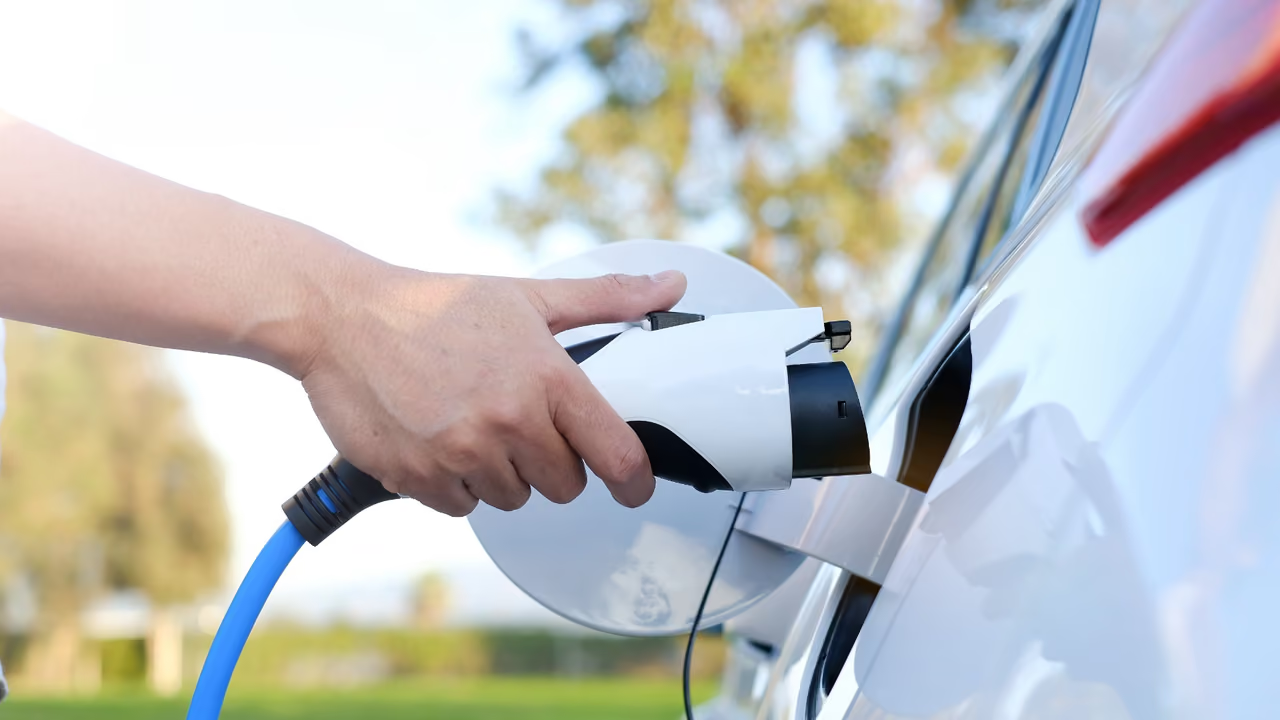
What happens when fast-charging stations become as common as coffee shops in our cities? The shift toward electric vehicles (EVs) is undeniable, but the speed and convenience of charging remain critical factors in convincing urban drivers to make the switch. As fast-charging infrastructure rapidly expands, it’s reshaping how city dwellers think about mobility and vehicle ownership.
How fast-charging networks are transforming city driving habits
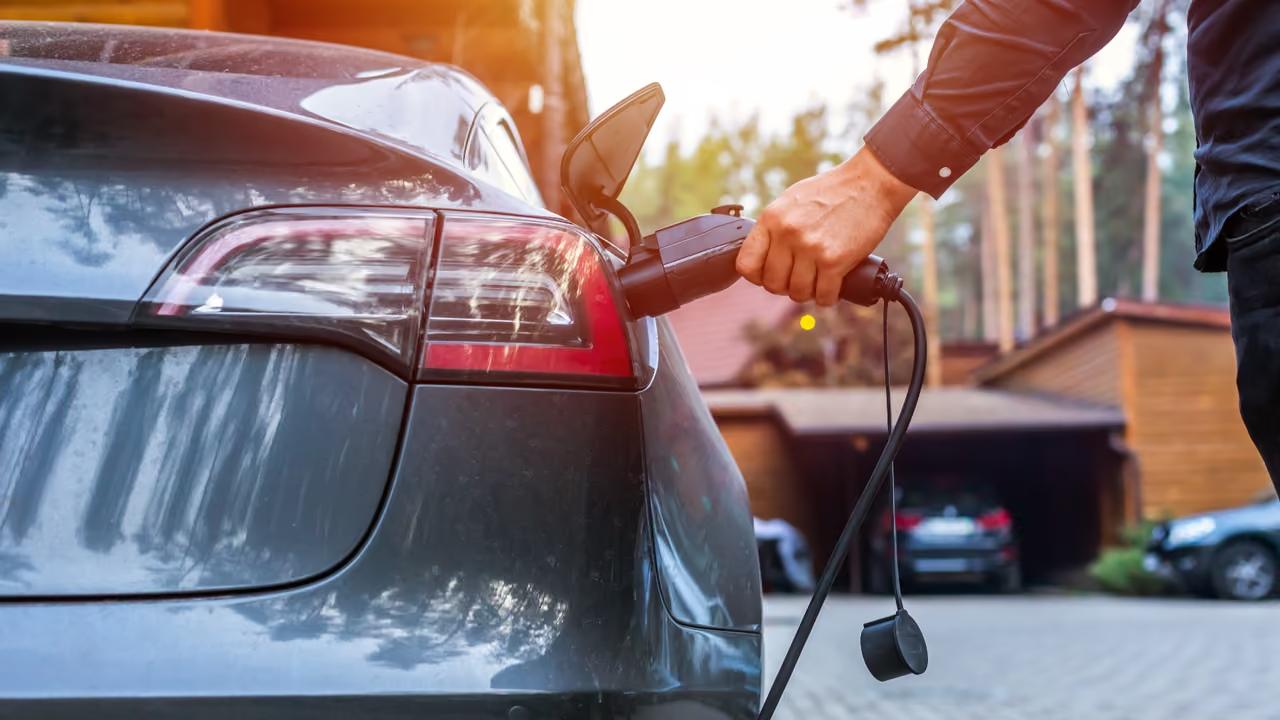
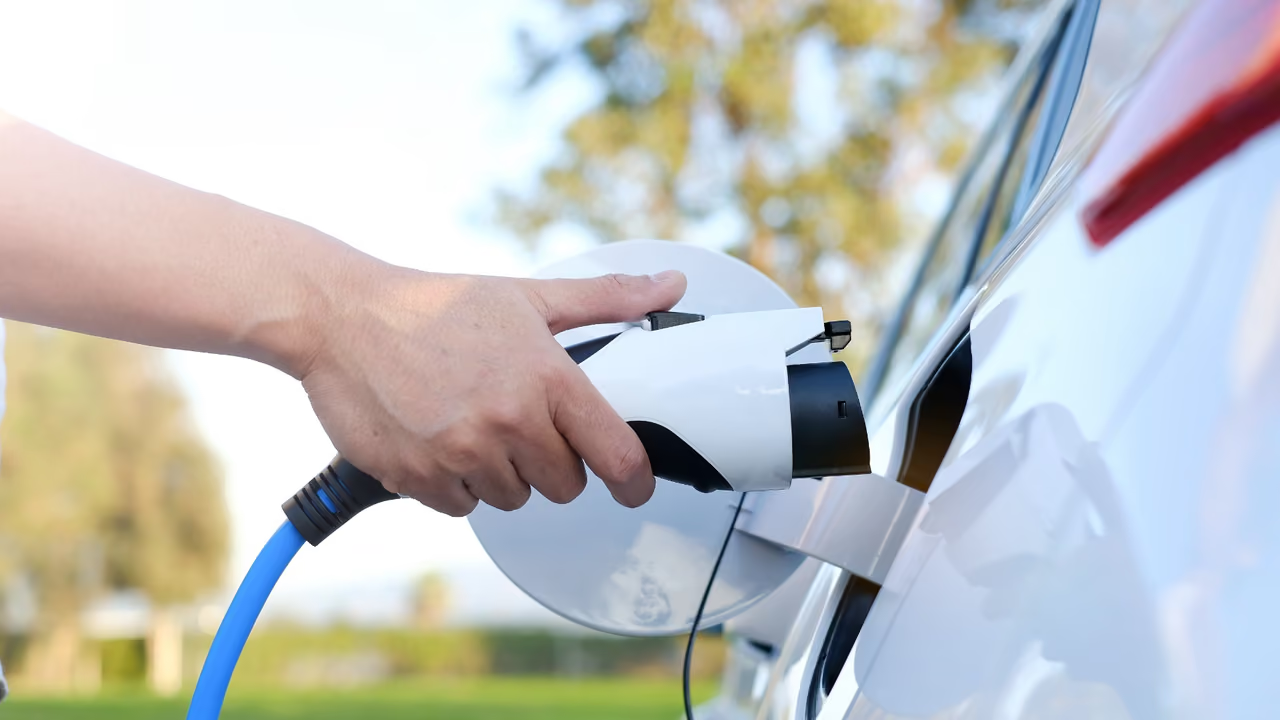
Urban driving has always been about convenience and efficiency. Traditional gas stations have long catered to this need, offering quick refuels that fit into busy schedules. Fast-charging networks are now aiming to replicate that experience for EV drivers. Instead of plugging in overnight or during long stops, drivers can recharge their vehicles in 15 to 30 minutes, making electric cars more practical for daily urban use.
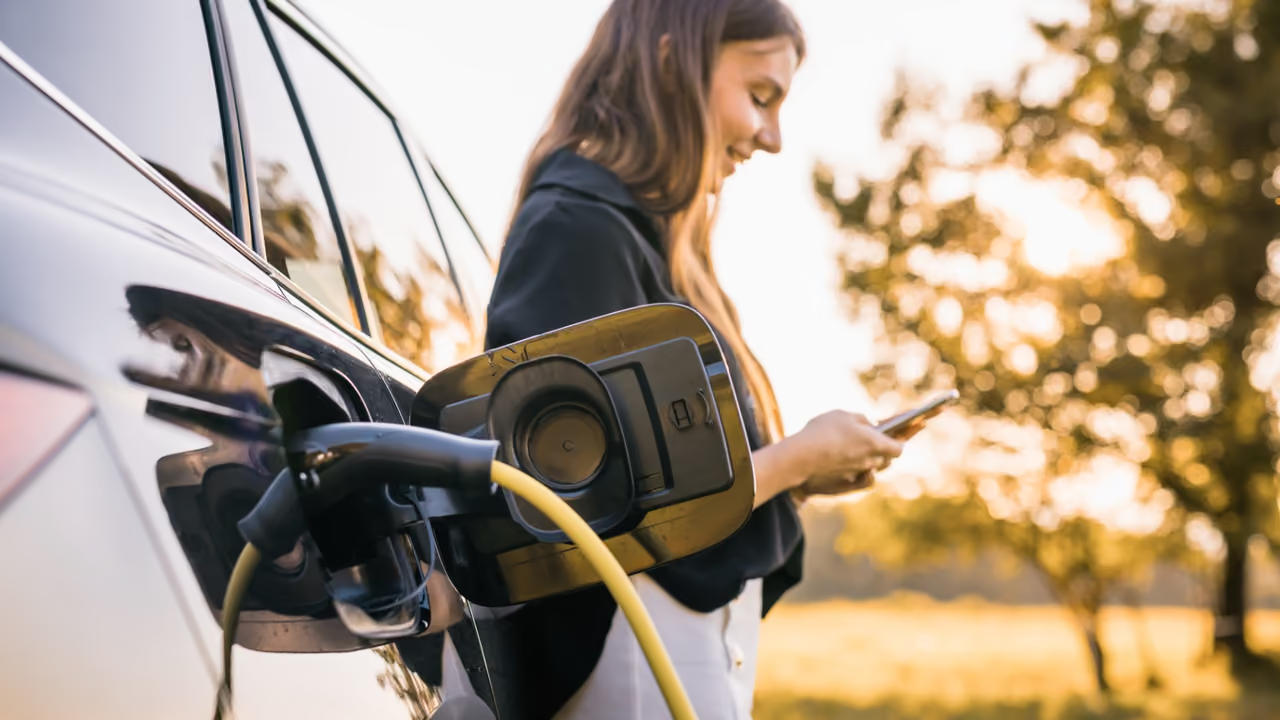
With more fast-charging stations popping up in public parking lots, shopping centers, and along major city corridors, EV owners are gaining confidence. They no longer need to worry about finding a charger or waiting hours for a full battery. This shift is encouraging more urban residents to consider EVs not just as a secondary or weekend vehicle but as their primary mode of transport.
Fast chargers also support ride-sharing and delivery drivers who depend on quick turnaround times. For these professionals, every minute spent charging is time lost on the road—and lost income. The expansion of fast-charging infrastructure directly impacts their ability to stay operational and competitive.
Challenges in scaling fast-charging stations in urban environments
Despite the clear benefits, building extensive fast-charging networks in cities is no easy task. The biggest hurdle is often the electrical grid itself. Fast chargers demand significant power, sometimes upwards of 150 kW per unit, which can strain existing infrastructure not designed for such loads. Upgrading transformers and grid connections requires time and investment.
Space is another major challenge. Urban real estate is expensive and limited, making it difficult to find suitable locations for multiple charging stations. Unlike gas stations, which have large fuel tanks underground and relatively small pumps, EV chargers need parking stalls, which compete with other uses like retail, housing, or green space.
Additionally, there are regulatory and permitting hurdles. Cities must balance the need for fast chargers with concerns about noise, traffic flow, and aesthetics. This means that deploying chargers isn’t just about installing hardware; it requires careful urban planning and community engagement.
Comparing fast-charging technologies and their efficiencies
Not all fast chargers are created equal. The market has several competing technologies, each with different charging speeds, costs, and compatibility.
- CHAdeMO: One of the earliest DC fast-charging standards, CHAdeMO offers up to 62.5 kW. It’s used primarily by Japanese brands but is gradually being phased out in favor of faster alternatives.
- CCS (Combined Charging System): Currently the most widespread fast-charging standard in Europe and North America, CCS supports charging rates up to 350 kW with the latest chargers, drastically reducing wait times.
- Tesla Superchargers: Tesla’s proprietary network offers very fast charging rates, up to 250 kW for V3 Superchargers, and is well-integrated into the company’s navigation system. Tesla is also opening its network to non-Tesla EVs in certain locations.
Efficiency varies depending on the vehicle’s battery chemistry, thermal management, and state of charge. Charging from near empty to about 80% is usually fastest; beyond that, the rate slows to protect battery health. Fast chargers also draw more power, which can increase operational costs and grid demand.
Future outlook What expanding fast-charging means for urban EV owners
As fast-charging infrastructure becomes more widespread, urban EV owners will experience a transformation in how they use their vehicles. The fear of running out of charge will diminish, making EVs viable even for spontaneous trips across the city or longer journeys that start or end in urban areas.
We can expect to see more integration of fast chargers with renewable energy sources and energy storage systems. This will help mitigate grid strain and reduce carbon emissions associated with charging. Smart charging technologies will optimize when and how vehicles charge, balancing cost, convenience, and environmental impact.
Moreover, expanding fast-charging networks may accelerate the electrification of commercial fleets in cities. Delivery vans, taxis, and public transit buses will benefit from quick recharging, reducing emissions and noise pollution.
Ultimately, fast-charging infrastructure doesn’t just support EV adoption — it redefines urban mobility. Cities that invest in this technology are positioning themselves at the forefront of the electric revolution, offering residents cleaner, quieter, and more flexible transportation options.