
The Future of Car Repair Is Digital
Walk into any traditional auto repair shop today, and you might notice something unusual: fewer greasy hands working under hoods packed with clunky engines…
By LED Marine Editorial4 min read
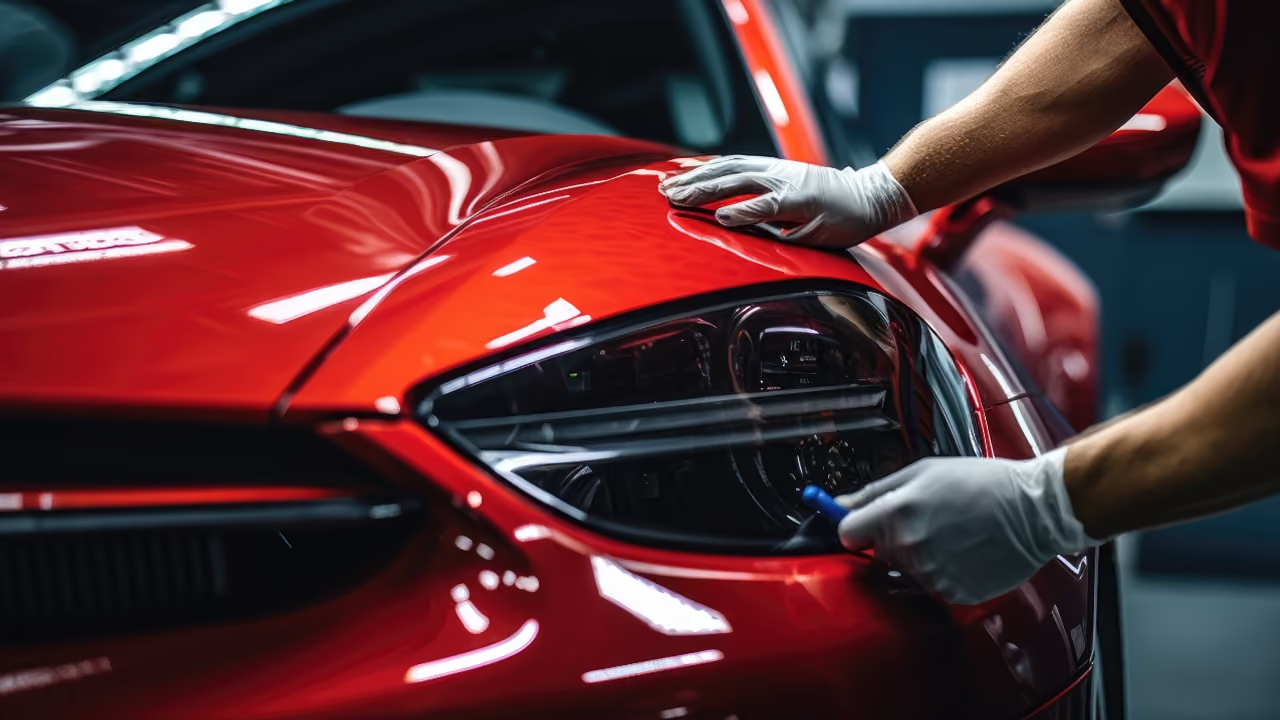
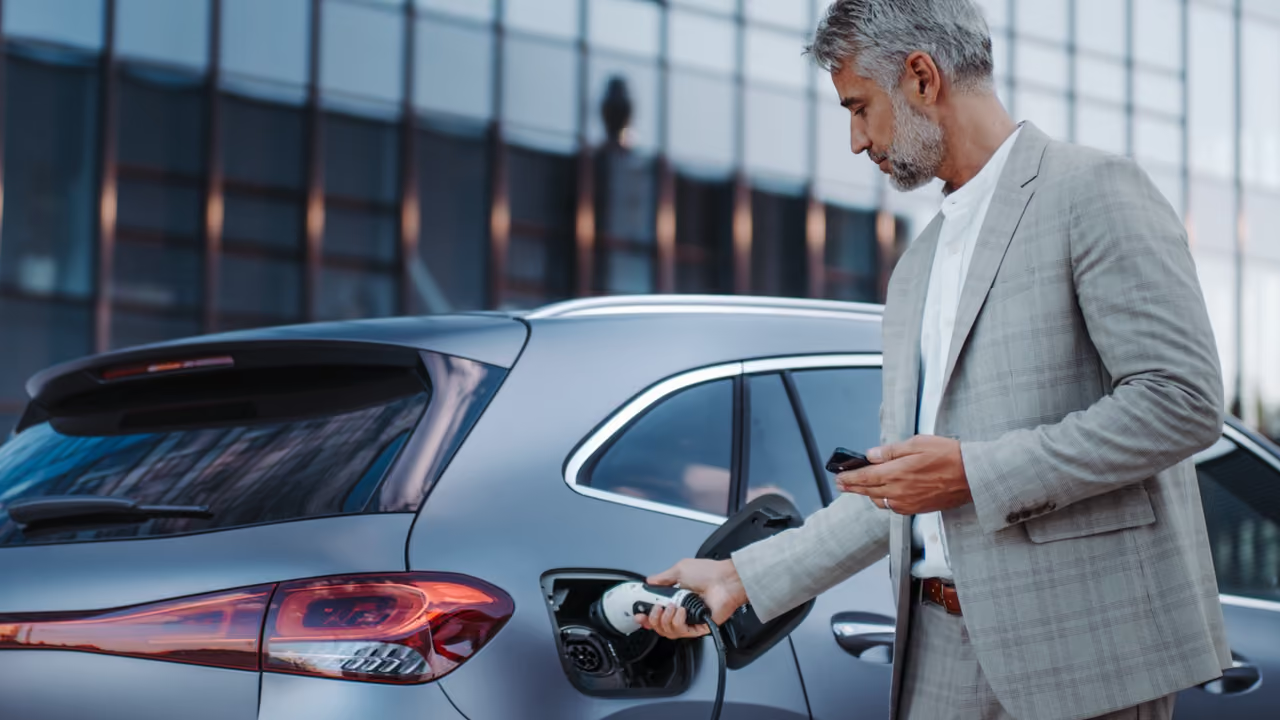
Walk into any traditional auto repair shop today, and you might notice something unusual: fewer greasy hands working under hoods packed with clunky engines, and more technicians staring intently at computer screens. The rise of electric cars isn’t just changing what we drive—it’s turning the entire automotive maintenance and repair industry upside down.
The Shift from Engine Mechanics to Software Expertise
Internal combustion engines have long been the heart of car repair. Mechanics were trained to diagnose mechanical failures, replace parts like spark plugs, belts, and oil filters, and tune engines for peak performance. Electric vehicles (EVs), however, have fewer moving parts and demand a completely different skill set.
Electric cars rely heavily on sophisticated software to manage everything from battery performance to regenerative braking and energy efficiency. This means that the traditional wrench-turner is now also a software troubleshooter. Diagnosing a fault might involve reading error codes, updating firmware, or recalibrating sensors rather than tightening bolts or swapping out carburetors.
For many repair professionals, this shift requires learning to navigate complex onboard computer systems and proprietary diagnostic tools. Repairing an electric motor or battery pack is less about physical labor and more about interpreting data streams and performing precise electronic adjustments.
Software as the New Engine
- Diagnostic Tools – Mechanics now depend on advanced diagnostic software to identify faults that aren’t visible to the naked eye.
- Firmware Updates – Like smartphones, EVs often need regular software updates to fix bugs, improve efficiency, or enable new features.
- Cybersecurity – Protecting the vehicle’s software from hacking attempts becomes part of routine maintenance.
Challenges and Opportunities for Traditional Repair Shops
Traditional garages face a crossroads. Many are ill-equipped to handle the complexities of electric vehicles. The tools are expensive, the training intensive, and the liability higher—mishandling a high-voltage battery can be dangerous. As a result, some shops have been hesitant to embrace EV repairs, fearing it’s a niche market that might not justify the investment.
Yet, the growing number of EVs on the road means demand for maintenance and repair is rising rapidly. This presents a huge opportunity for shops willing to adapt. Those who invest in training, buy the right diagnostic equipment, and understand the nuances of electric drivetrains can position themselves as go-to experts in a less crowded field.
The transition isn’t seamless, though. Some repair tasks once done in-house may now require partnerships with manufacturers or certified specialists. Warranty restrictions and proprietary software can limit access, forcing shops to rethink their business models.
What Traditional Shops Need to Consider
- Investing in training programs for technicians on EV systems.
- Purchasing diagnostic tools specific to electric vehicles.
- Establishing relationships with OEMs (Original Equipment Manufacturers) for access to software and parts.
- Implementing strict safety protocols when handling high-voltage components.
Emergence of Specialized EV Maintenance Services
Alongside traditional repair shops adapting, a new breed of specialized EV maintenance services is emerging. These businesses focus exclusively on electric vehicles and bring deep expertise in battery health, electric motor repairs, and software diagnostics.
Some offer mobile services, equipped with the tools and knowledge to service EVs wherever they are, recognizing that electric cars often require different maintenance intervals and procedures than gasoline vehicles. Battery management, thermal system monitoring, and software calibration dominate their service menus.
These specialists also cater to the aftermarket customization of EVs, such as performance tuning through software tweaks or installing advanced charging solutions—services that traditional shops might not offer.
Why Specialization Matters
- Efficiency: Specialized shops can often diagnose and fix issues faster due to focused experience.
- Safety: Handling high-voltage systems demands expertise to avoid accidents.
- Warranty Compliance: Some EV warranties require servicing by certified specialists to remain valid.
Preparing the Workforce for New Skill Requirements
The rise of electric cars is forcing a rethink of how automotive technicians are trained. Vocational schools and community colleges are updating curricula to include high-voltage systems, battery technology, electric motors, and vehicle software systems.
Certification programs specific to electric vehicles are becoming standard, and manufacturers often provide proprietary training to ensure technicians can handle their products safely and effectively.
The shift also means that the industry needs to attract talent with a different profile. A strong foundation in electronics, software, and data analysis is increasingly valuable. The image of the grease-stained mechanic is giving way to that of a tech-savvy engineer armed with a tablet and diagnostic software.
Key Areas of Focus in Training
- Electrical Safety: Understanding and managing high-voltage components safely.
- Battery Technology: Diagnosing and maintaining lithium-ion battery packs.
- Software Diagnostics: Using specialized tools to interpret vehicle data and update firmware.
- Customer Communication: Explaining complex issues in clear terms to an increasingly informed customer base.