
Charge Smarter to Cut Your EV’s Carbon
How green is your EV charging really? As electric vehicles gain traction, the spotlight often falls on the zero tailpipe emissions they produce, but the story…
By LED Marine Editorial4 min read
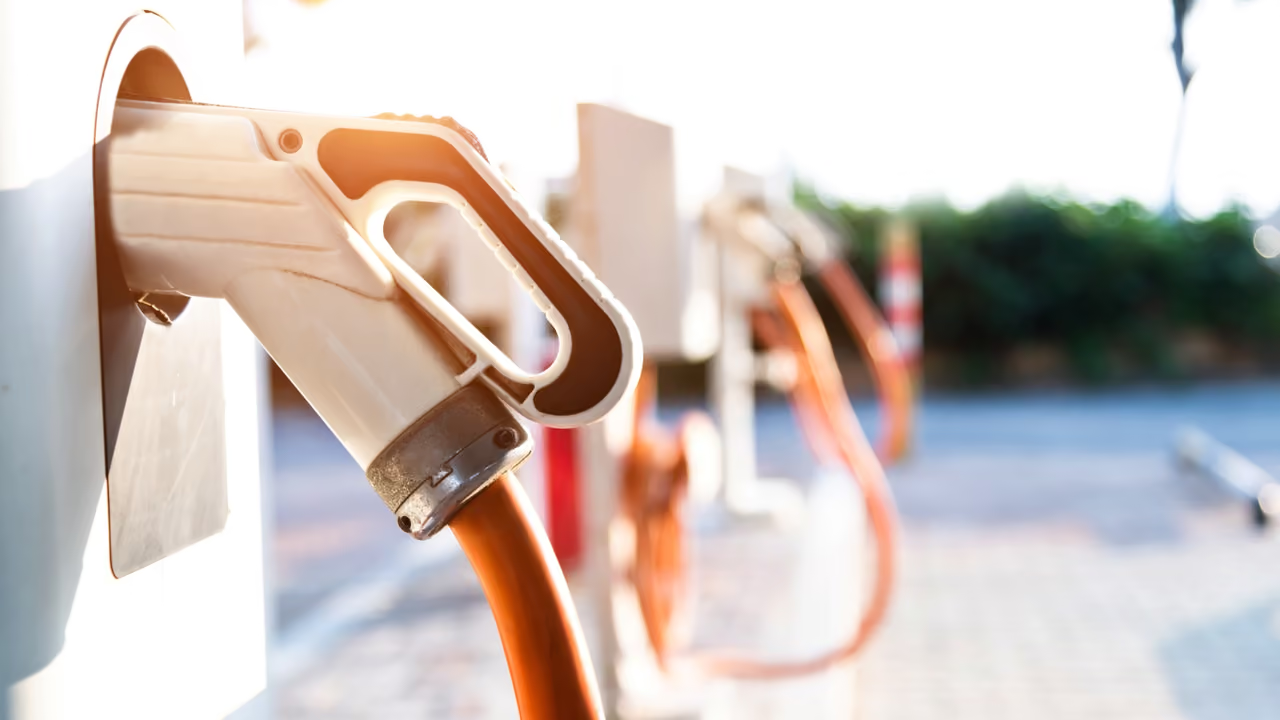
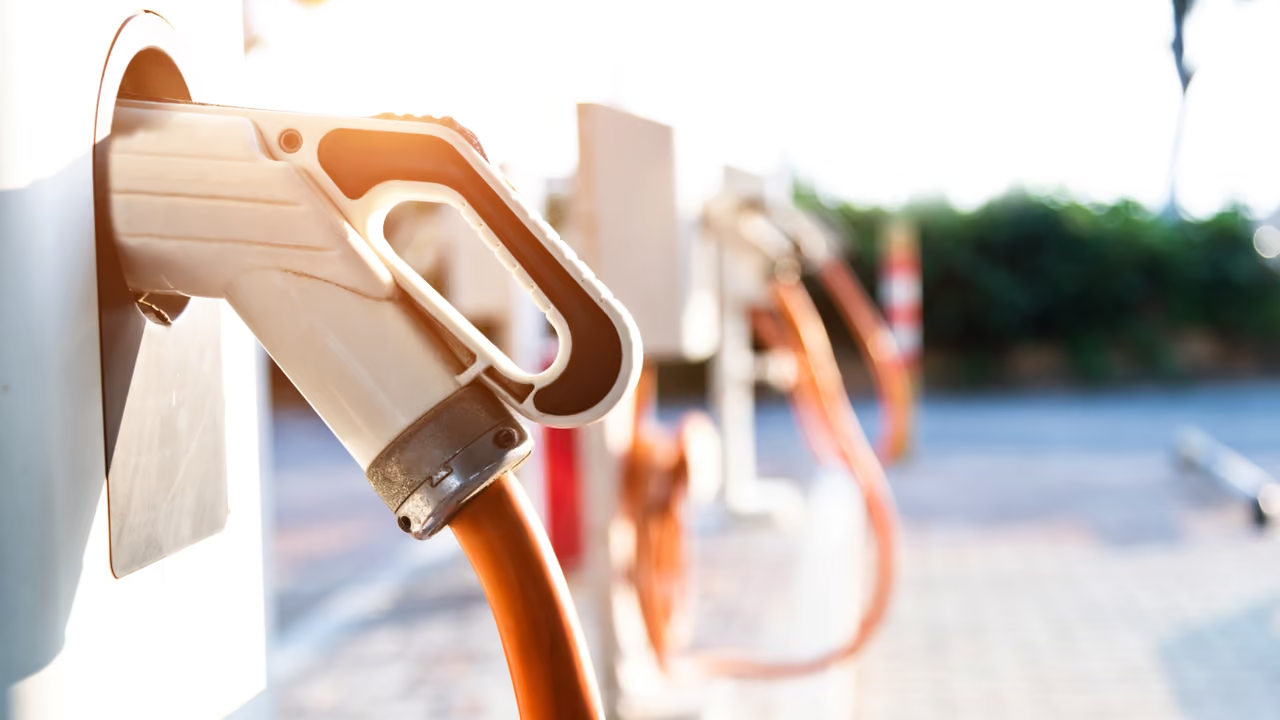
How green is your EV charging really? As electric vehicles gain traction, the spotlight often falls on the zero tailpipe emissions they produce, but the story doesn’t end there. The environmental impact of charging methods plays a crucial role in determining whether driving electric is truly sustainable. Without a clean charging infrastructure, the promise of EVs can fall short.
The Carbon Footprint of Different EV Charging Techniques
Not all EV charging is created equal. The source of electricity matters immensely. Charging from a grid powered by coal or natural gas plants can produce significant carbon emissions, sometimes rivaling or exceeding those of efficient gasoline cars. On the other hand, charging from a grid rich in renewables drastically reduces the carbon footprint.
There are three main EV charging methods:
- Slow charging (Level 1): Using a standard household outlet, this method has a low power draw but typically takes 8-12 hours for a full charge. It usually draws from the local grid, which can vary in cleanliness.
- Fast charging (Level 2): These chargers operate at higher voltages and can deliver a full charge in 4-6 hours. They often pull electricity during peak demand hours, which may rely on fossil fuel plants.
- Rapid charging (DC fast chargers): Delivering 80% charge in as little as 30 minutes, these draw significant power quickly, often stressing the grid and sometimes triggering the use of less clean backup power sources.
Timing also impacts emissions. Charging during off-peak hours, when renewable energy like wind is abundant, reduces carbon footprints, while peak-time charging can mean dirtier energy. Without smart charging systems to manage this, EVs risk simply shifting emissions rather than cutting them.
Benefits of Integrating Renewable Energy with EV Charging
Pairing EV charging with renewable energy sources like solar and wind is the clearest path to truly sustainable electric driving. When EVs are charged directly from clean energy, their environmental benefits multiply.
- Reduced greenhouse gas emissions: Solar and wind generation produce no direct emissions, meaning EVs charged this way effectively run on clean energy.
- Lower energy costs over time: Although the upfront investment is higher, generating your own solar power for EV charging can cut electricity bills dramatically.
- Grid stabilization: Renewable-powered EV charging, when combined with smart grid technologies, can help balance supply and demand, reducing reliance on fossil-fuel peaker plants.
Homeowners installing rooftop solar paired with Level 2 chargers can maximize daytime charging with sunlight, eliminating reliance on grid electricity. Commercial and public charging sites are increasingly installing solar canopies, which shade vehicles while generating clean power on site.
Innovations in Energy Storage to Support Sustainable Charging
One challenge with renewable energy is its intermittency; the sun doesn’t always shine, and the wind doesn’t always blow. Energy storage technologies are stepping in to bridge this gap and ensure EV charging remains green around the clock.
Battery storage systems, both at the grid scale and locally at charging stations or homes, store excess renewable energy generated during peak production times. This energy can then be used to charge EVs during periods of low renewable output or high demand, reducing the need for dirty backup power.
Vehicle-to-grid (V2G) technology is another promising innovation. It allows EV batteries themselves to act as storage units that can feed electricity back to the grid during peak times. This not only helps grid stability but incentivizes EV owners to participate in a cleaner, more efficient energy ecosystem.
Advanced energy management software optimizes when and how EVs charge, integrating weather forecasts, grid demand, and energy prices to minimize emissions and costs. Together, these innovations make sustainable EV charging more practical and widespread.
Policy Measures Encouraging Green EV Charging Infrastructure
Governments and regulators have a decisive role in ensuring EV charging grows greener, not just bigger. Several policy approaches are currently gaining traction:
- Incentives for renewable-powered charging stations: Grants, tax credits, and subsidies encourage installation of solar canopies and battery storage at public and commercial charging sites.
- Mandates for grid carbon intensity standards: Some regions are requiring utilities to reduce the carbon intensity of their electricity or to offer green tariffs specifically for EV charging.
- Support for smart charging infrastructure: Funding and regulations favor chargers that can schedule charging during low-carbon periods and communicate with the grid.
- Integration of V2G in energy markets: Creating frameworks for EV owners to sell electricity back to the grid encourages adoption of bidirectional chargers.
- Urban planning and building codes: Requiring EV-ready wiring and renewable energy integration in new developments helps future-proof infrastructure.
These policies not only reduce emissions but also foster innovation and market growth, making sustainable EV charging a viable reality rather than a niche experiment.