Is Your Job Ready for Electric Cars
What if your workplace could make driving an electric vehicle not just possible but genuinely convenient? As EVs zoom from niche to mainstream, more companies…
By LED Marine Editorial4 min read

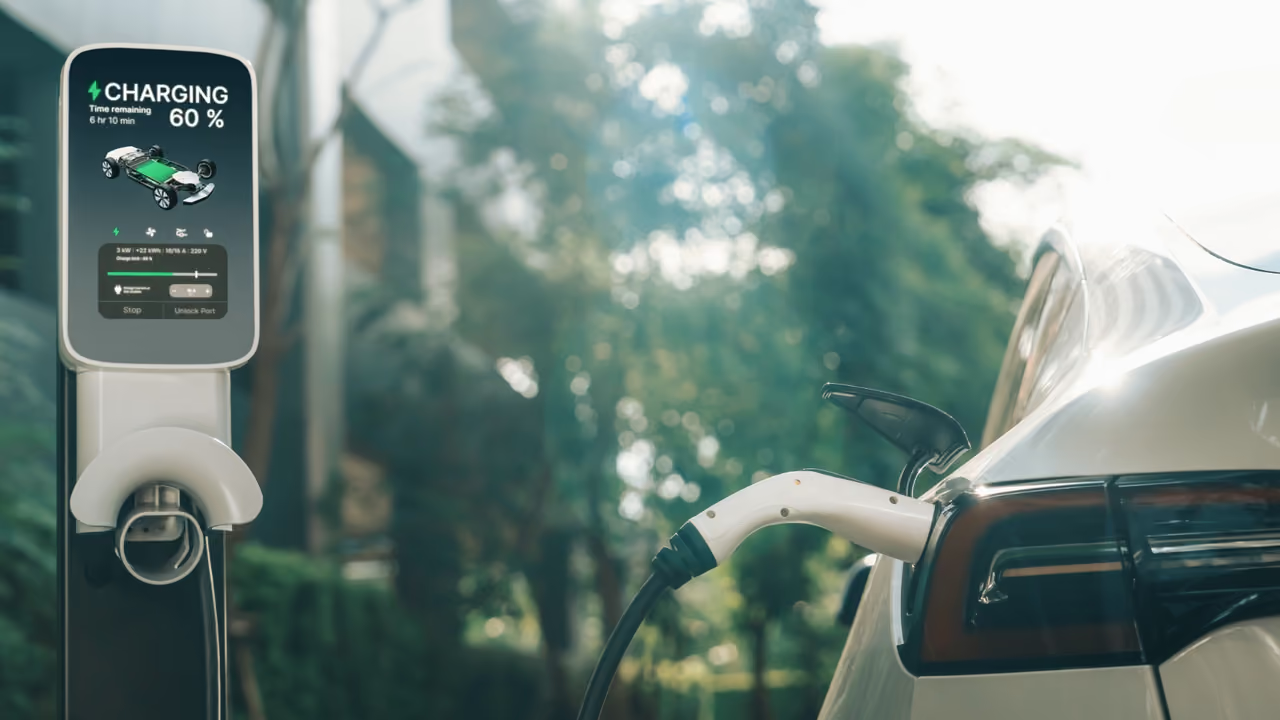
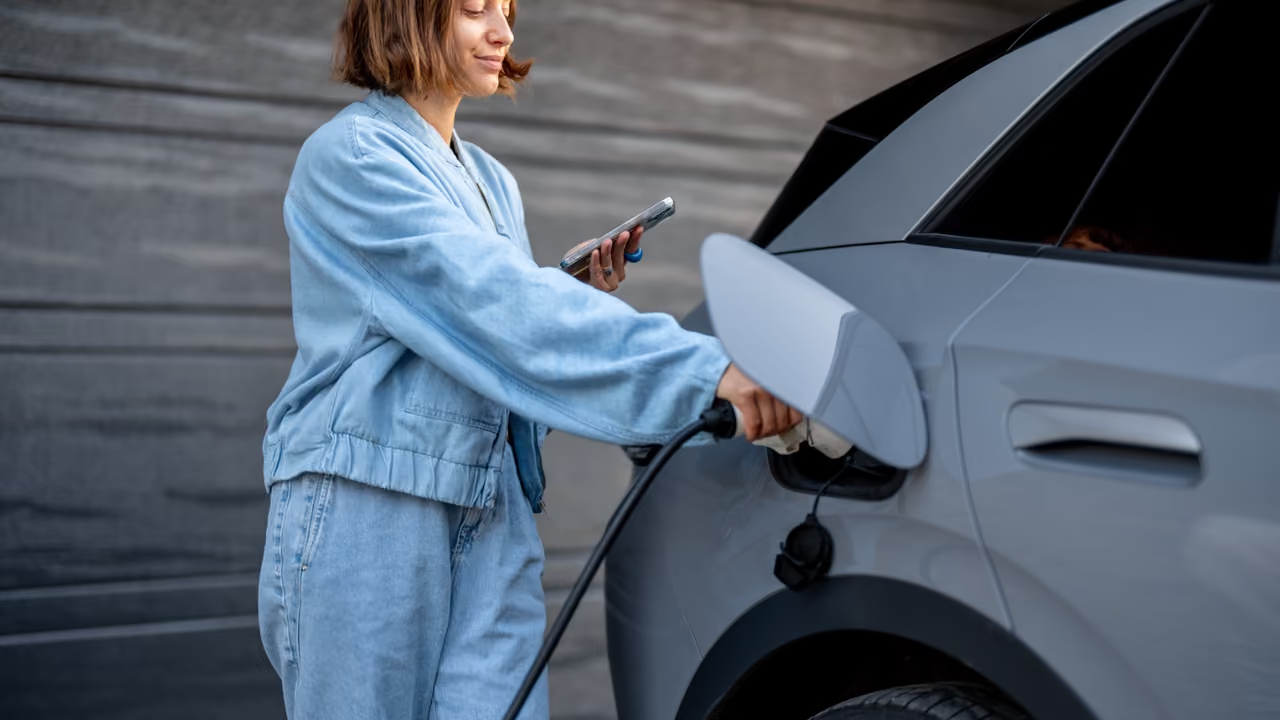
What if your workplace could make driving an electric vehicle not just possible but genuinely convenient? As EVs zoom from niche to mainstream, more companies are realizing that offering EV charging stations at work isn’t a luxury—it’s becoming a necessity.
The growing demand for workplace EV charging
Electric vehicles are no longer futuristic novelties; they represent a rapidly expanding segment of the automotive market. In 2023, global EV sales surged past 10 million, and projections suggest this number will keep climbing. Yet, one major barrier to wider EV adoption remains: charging accessibility.
Home charging isn’t always an option, especially for urban dwellers living in apartments or homes without garages. Public charging infrastructure is improving but remains patchy in many regions. This is where workplace charging steps in as a critical piece of the puzzle.
Employees increasingly expect employers to support sustainable commuting choices. A survey by the Electric Vehicle Association found that 65% of EV drivers consider workplace charging availability a key factor when choosing a job. Demand is no longer just from current EV owners; many employees contemplate buying an EV if their workplace offers convenient charging.
Benefits for employers and employees
Installing EV charging stations at work isn’t just a perk—it’s a strategic investment with tangible returns.
For employers
- Attract and retain talent: Offering EV charging can differentiate a company in competitive job markets, appealing especially to environmentally conscious millennials and Gen Z workers.
- Boost sustainability credentials: Workplace charging supports corporate sustainability goals and reduces overall carbon footprint, enhancing brand reputation.
- Increase employee productivity: Employees who can charge their vehicles at work may experience less stress about range anxiety, arriving more focused and ready to work.
- Potential financial incentives: Many governments provide grants, tax credits, or rebates for installing EV charging infrastructure, reducing upfront costs.
For employees
- Convenience and cost savings: Charging at work means no detours to public stations, saving time and often money compared to gasoline or public chargers.
- Increased EV adoption confidence: Knowing they can reliably charge at work encourages employees to switch to electric vehicles.
- Supports greener lifestyle choices: Employees feel empowered to contribute to environmental goals through their daily commute.
Designing an effective workplace charging program
Simply installing a few charging stations isn’t enough. A thoughtful approach ensures the program meets the needs of both employees and the company.
- Assess demand and capacity: Survey employees to estimate how many will use the chargers. Starting with Level 2 chargers is common, offering a balance of cost and charging speed.
- Choose the right location: Stations should be close to building entrances but not take up premium parking for non-EV drivers. Accessibility and safety are key.
- Implement fair usage policies: Consider time limits or reservation systems to prevent hogging of chargers and to accommodate as many users as possible.
- Integrate smart charging solutions: These systems can optimize energy use, manage demand charges, and allow billing to users if necessary.
- Communicate clearly: Educate employees on how to use the stations, any costs involved, and encourage feedback to improve the program.
Case studies of successful implementations
TechCorp’s Green Commute Initiative
TechCorp, a mid-sized software company in Seattle, installed 20 Level 2 chargers in their parking lot in 2022. They surveyed employees beforehand and found 15% already drove EVs, with another 30% considering switching. By offering free workplace charging, TechCorp saw a 40% increase in EV ownership among staff within a year. Employees reported higher satisfaction, citing convenience and environmental impact. The company also leveraged local government rebates, cutting installation costs by 30%.
UrbanBank’s Employee EV Program
UrbanBank, headquartered in downtown Chicago, faced challenges with limited parking and high demand for EV stations. They implemented a reservation system integrated with smart chargers, allowing employees to book time slots. This system ensured equitable access and reduced conflicts. The bank also introduced a modest fee for charging during peak hours to manage demand. Within 18 months, UrbanBank’s EV charging program contributed to a 25% reduction in employee commuting emissions, helping meet their corporate sustainability targets.
GreenManufacturing’s Shift to Electric
GreenManufacturing, a large industrial firm, took a phased approach. Starting with 10 chargers for their pilot program, they combined the infrastructure with incentives such as preferential parking and bonuses for EV owners. Their internal surveys showed increased morale and pride in the company’s green efforts. They plan to expand charging stations to all 5 company locations by 2025, aiming for full EV adoption among employees driving company vehicles.