Boosting EV Infrastructure Beyond Urban Zones
What happens when the electric vehicle revolution leaves rural communities behind? As EVs become more common in cities, the lack of accessible charging…
By LED Marine Editorial3 min read
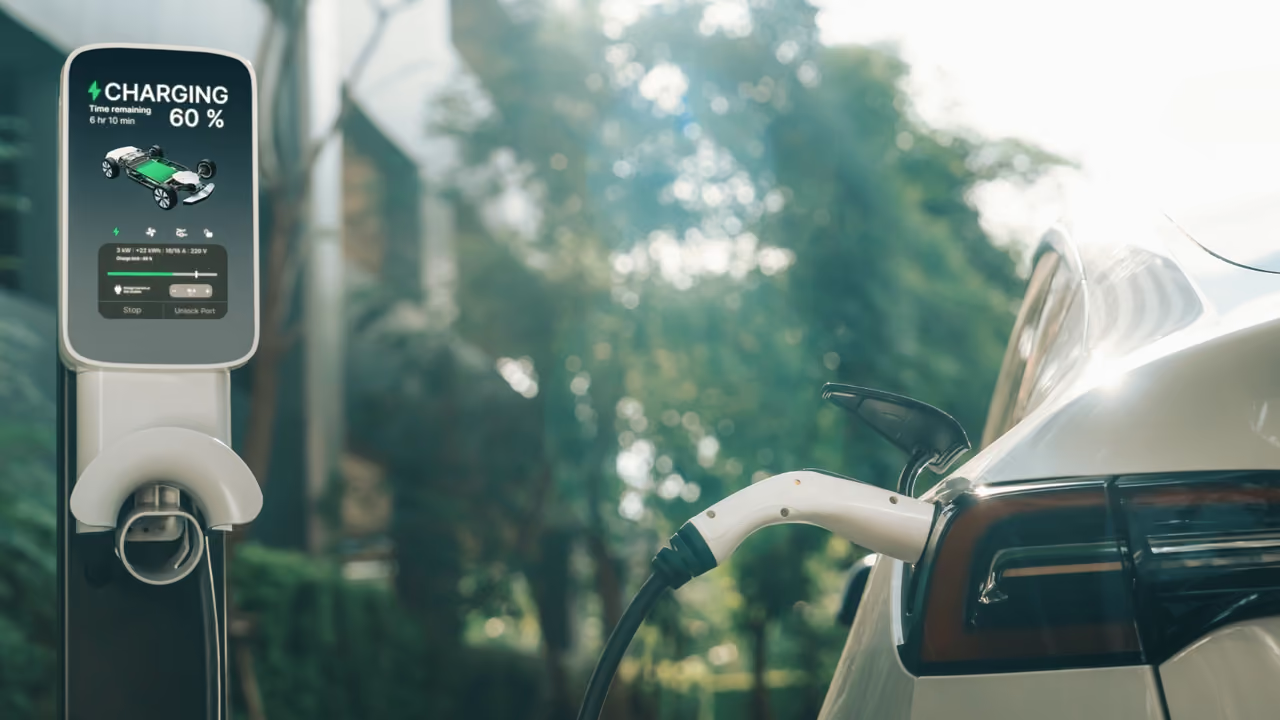
What happens when the electric vehicle revolution leaves rural communities behind? As EVs become more common in cities, the lack of accessible charging infrastructure in rural areas threatens to deepen the divide between urban and rural transportation options. To truly make EVs a nationwide phenomenon, we need to tackle the unique challenges rural communities face and implement solutions tailored to their needs.
Challenges Faced by Rural Areas in Accessing EV Charging Stations
Rural communities encounter several hurdles when it comes to EV charging infrastructure. Unlike cities, where population density supports the economics of multiple fast chargers within short distances, rural regions have fewer potential users spread over wide areas. This low density can make installing and maintaining charging stations costly and less profitable for private companies.
Additionally, many rural residents live in older homes or mobile housing that may lack the electrical capacity for home EV charging. Public chargers can fill this gap, but the limited number of stations means long travel distances just to recharge. This “range anxiety” is amplified in rural settings where alternative routes and charging options are scarce.
Connectivity is another issue. Some rural areas have spotty internet or cellular service, complicating the use of app-based charging networks and payment systems. Without reliable communication infrastructure, managing and maintaining chargers remotely becomes more difficult.
Innovative Solutions Making EV Charging Feasible in Low-Density Regions
Despite these challenges, innovators and planners are finding ways to adapt EV charging for rural realities. One approach is deploying multi-purpose charging hubs that combine EV stations with other community services like convenience stores, post offices, or agricultural supply centers. This increases foot traffic and justifies the investment.
Solar-powered charging stations are also gaining traction in rural areas where grid upgrades are expensive or unavailable. By pairing solar panels with battery storage, these stations can operate independently, reducing infrastructure costs and environmental impact.
Another promising solution is the use of mobile charging units—trailers equipped with fast chargers that can be moved to different locations based on demand, special events, or seasonal needs. This flexibility is ideal for rural regions with fluctuating or unpredictable EV use.
Community-based initiatives are proving effective too. In some areas, local cooperatives or municipalities have taken charge of installing and maintaining chargers, customizing the infrastructure to their community’s specific travel patterns and economic realities.
Role of Government and Private Sector in Expanding Rural EV Infrastructure
The expansion of rural EV charging infrastructure cannot rely solely on market forces. Government programs at federal, state, and local levels play a crucial role in bridging the accessibility gap. Grants, subsidies, and low-interest loans aimed specifically at rural charging projects help offset the higher costs and lower returns typical in these areas.
Federal initiatives like the EV Everywhere Challenge and the infrastructure investments from the Bipartisan Infrastructure Law have earmarked significant funding for rural EV infrastructure development. These programs encourage public-private partnerships, ensuring that private companies have incentives to build out chargers beyond profitable urban corridors.
Private sector players are also adapting. Companies specializing in EV charging are exploring new business models tailored to rural markets. For example, subscription services or membership programs can provide steady revenue streams, making rural stations more viable. Collaborations with utility companies help integrate chargers with grid management, optimizing energy use and reducing costs.
Future Outlook How Improved Rural Charging Can Accelerate EV Adoption Nationwide
Enhancing EV charging infrastructure in rural communities could be a game-changer for nationwide EV adoption. When rural drivers know they can rely on accessible and convenient charging, the perceived risks of switching to electric diminish significantly.
Moreover, rural areas often cover large distances, meaning improved charging options can unlock new travel possibilities and economic opportunities. This could encourage more residents to adopt EVs for work, recreation, and daily life.
As infrastructure becomes more reliable and widespread, manufacturers may also feel more confident marketing EVs in rural regions, knowing that the support network is in place. This creates a positive feedback loop that accelerates adoption rates and fosters innovation tailored to diverse community needs.
Ultimately, bridging the EV charging divide between urban and rural areas is not just about equity. It’s about building a transportation future that is inclusive, sustainable, and truly nationwide.