Five Ways EVs Reshape City Infrastructure
Walking through a modern city, it’s impossible to ignore the subtle yet profound changes electric cars (EVs) are ushering in. Streets that once echoed with…
By LED Marine Editorial4 min read

Walking through a modern city, it’s impossible to ignore the subtle yet profound changes electric cars (EVs) are ushering in. Streets that once echoed with the roar of combustion engines now hum with the quiet glide of electric motors. But beyond the vehicles themselves, it’s the transformation of urban infrastructure and city planning that signals a deep shift toward sustainability.
The Demand for Charging Stations Integrating EV Infrastructure into Cities
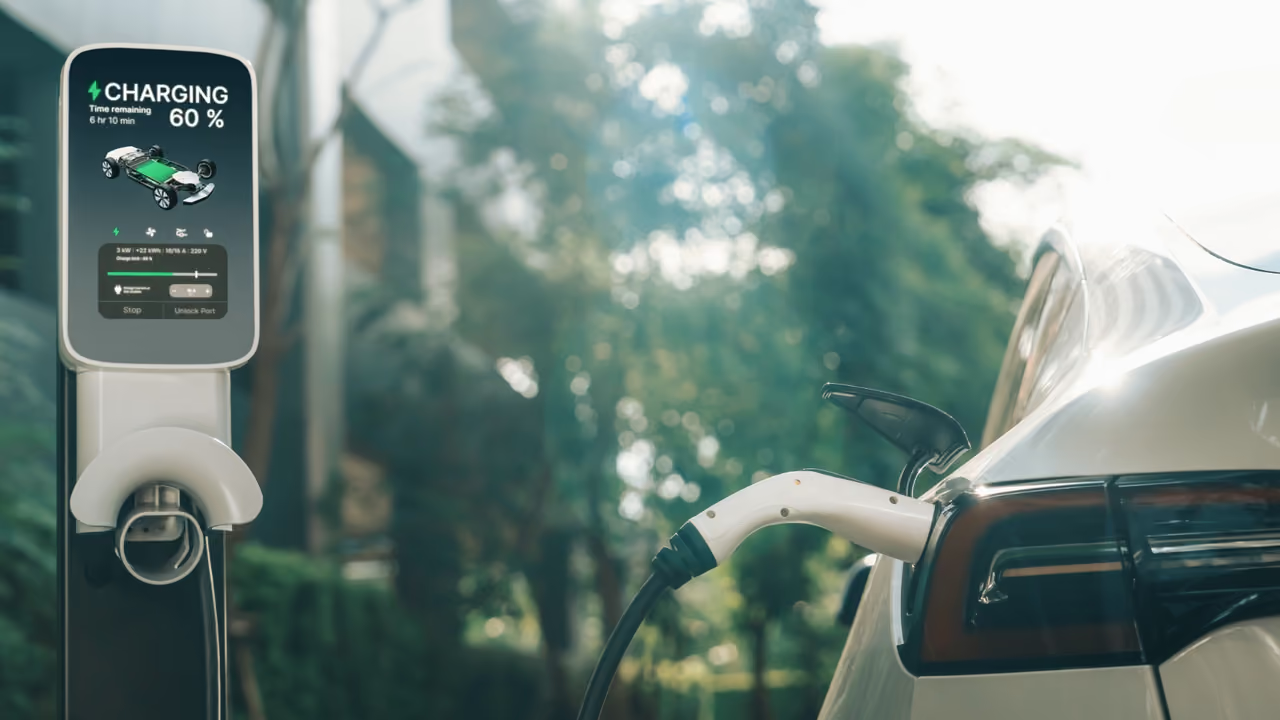
The rise of electric vehicles has created an urgent need for a robust and widespread network of charging stations. Unlike gas stations that have been staples of urban landscapes for over a century, EV chargers must be thoughtfully embedded into the existing fabric of cities. This isn’t just about installing a few plugs here and there; it’s about rethinking how energy is delivered and consumed in urban environments.
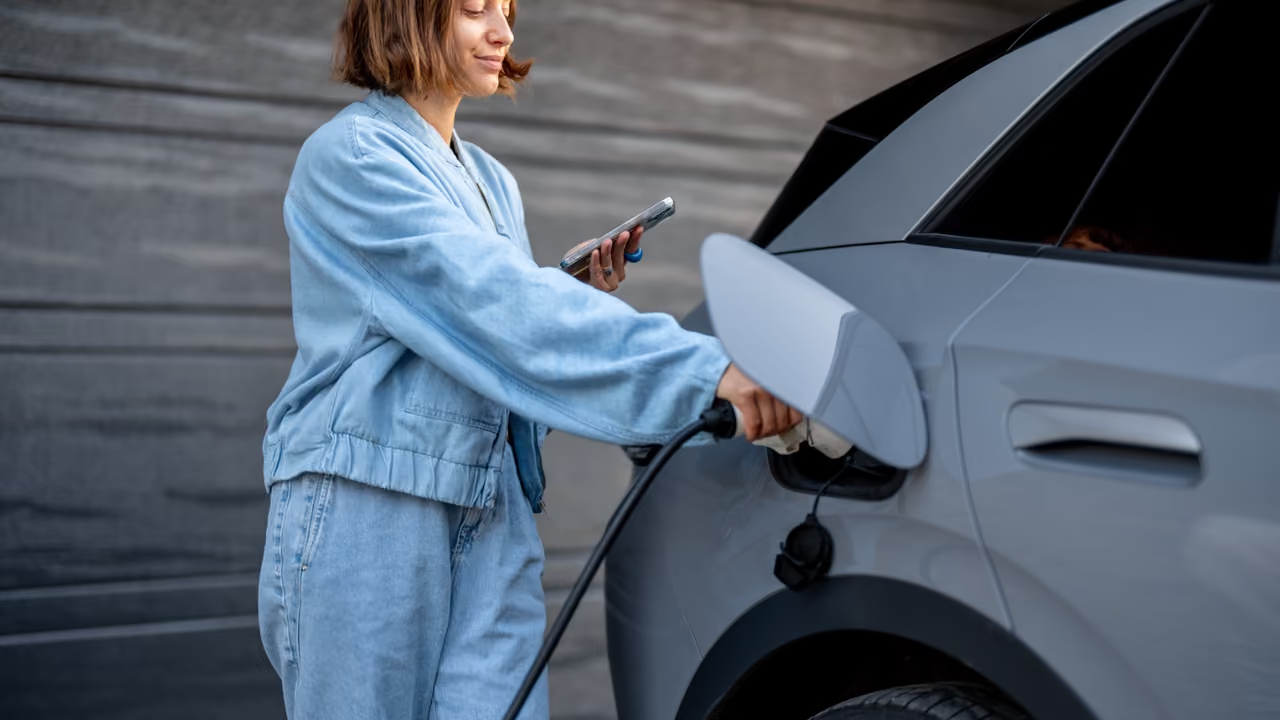
Municipalities are now grappling with questions like where to locate chargers, how to ensure equitable access, and how to manage the increased load on electrical grids. Public spaces, parking garages, and even sidewalks are being retrofitted to accommodate charging points. For example, curbside chargers are becoming common in dense residential areas where off-street parking is scarce. These installations require collaboration between city planners, utility companies, and private enterprises to optimize placement and capacity.
Challenges and Opportunities
- Infrastructure Upgrades: Many cities must upgrade their electrical grids to handle the increased demand, integrating smart grids and renewable energy sources.
- Accessibility: Ensuring that charging stations are available to all residents, including those without private parking, is key to equitable EV adoption.
- Interoperability: Standardizing charging technology helps prevent fragmentation and makes the system more user-friendly.
Redesigning Parking From Gas Pumps to Electric Plugs
Parking lots and garages are undergoing a metamorphosis. The traditional image of a gas pump island is fading as those spaces are repurposed for EV charging stations. This shift forces a rethink of not only the physical layout but also the management of parking itself.
Smart parking systems are being introduced that can reserve charging spots, monitor charger usage, and even integrate payments seamlessly. Cities are also experimenting with dynamic pricing to encourage turnover and maximize access to chargers. This means parking infrastructure is no longer just about space but also about managing energy consumption and user behavior.
Moreover, the integration of EV infrastructure into parking promotes the development of multi-use spaces. For instance, parking garages can serve as hubs for vehicle-to-grid (V2G) technology, where parked EVs feed electricity back into the grid during peak demand, effectively turning cars into distributed energy resources.
Design Considerations
- Space Allocation: Allocating enough spots for EV charging without reducing overall parking availability.
- Energy Management: Incorporating battery storage and onsite renewables to supplement charging demand.
- User Experience: Clear signage, real-time availability data, and easy payment methods.
Impact on Public Transportation and Shared Mobility
Electric vehicles are also reshaping public transportation and shared mobility options. Electric buses, trams, and micro-mobility devices such as e-scooters and e-bikes are reducing emissions and noise pollution in cities. Their integration requires new infrastructure and planning priorities.
Charging depots for electric buses are becoming essential parts of transit systems. These depots must be strategically located to optimize route efficiency and minimize downtime. Similarly, shared EV fleets—whether cars or micro-mobility devices—demand flexible and dispersed charging infrastructure to ensure availability and convenience.
Electric shared mobility is pushing cities to reconsider the balance between private car ownership and public or shared transport. As fleets grow, cities might allocate more curb space to shared vehicles and their charging needs, potentially reducing the overall number of private vehicles on the road.
Transforming Transit Networks
- Electrification of Buses: Reduces urban air pollution and operational costs over time.
- Shared EV Fleets: Lower barriers to access electric mobility without personal ownership.
- Integration with Urban Mobility Apps: Streamlines multimodal transportation options for users.
Future Urban Landscapes Smart Cities Powered by Electric Vehicles
Looking ahead, electric vehicles are integral to the vision of smart cities—urban centers where technology, sustainability, and quality of life converge. EVs, combined with advanced data analytics and Internet of Things (IoT) technologies, create a dynamic ecosystem where transportation is efficient, clean, and responsive to real-time conditions.
Imagine a city where roads and parking spots communicate with vehicles to optimize routes and charging schedules. Energy flows seamlessly between vehicles and the grid, balancing demand and supply to minimize environmental impact. Public spaces transform as noise and air pollution plummet, allowing for greener, more pedestrian-friendly environments.
Urban planners are exploring modular infrastructure that adapts as EV technology evolves—charging stations capable of upgrading their capacities, smart lighting systems that adjust based on pedestrian and vehicle presence, and even road surfaces embedded with wireless charging capabilities for vehicles on the move.
Electric cars are more than just a cleaner mode of transport; they are catalysts for reimagining how cities operate and grow. The journey toward sustainable urban futures is accelerating, powered by silent engines and smart infrastructure.