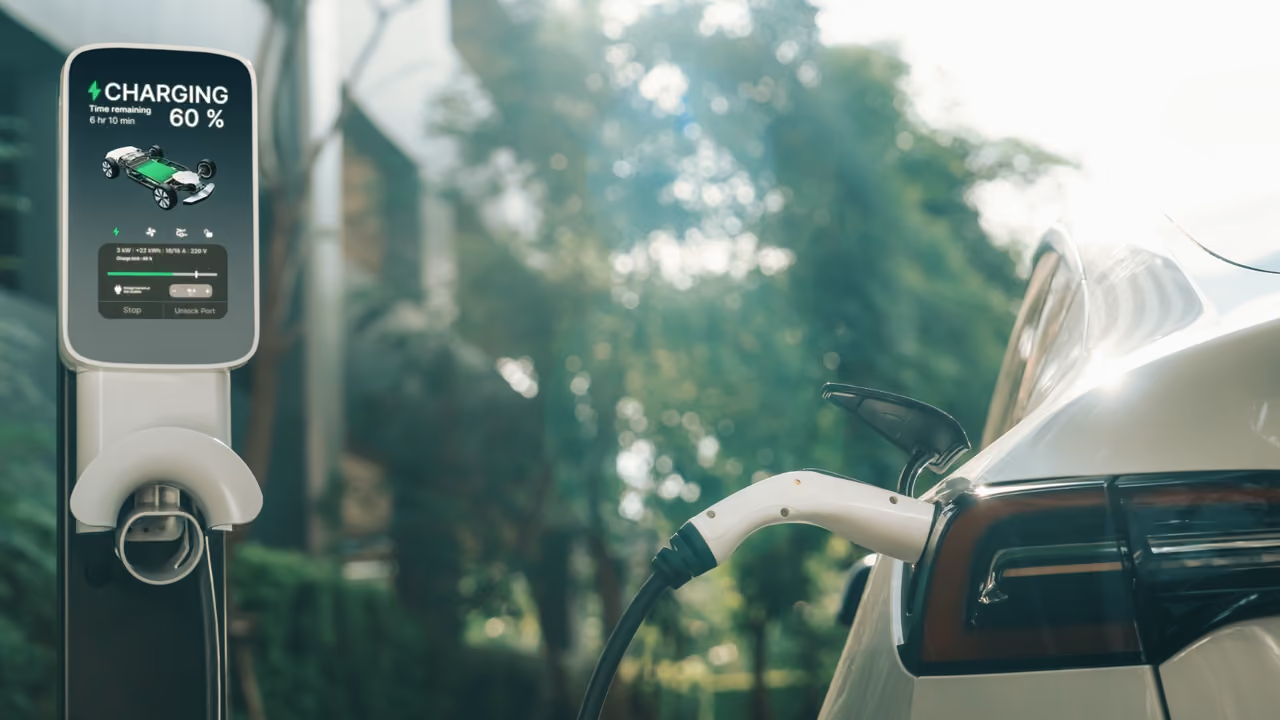

EV Charging Infrastructure Monitoring: Maintenance, Grid Integration & SLAs
EV Charging Infrastructure Monitoring: Ensuring Efficient Maintenance and Grid Integration EV Charging Infrastructure Monitoring: Ensuring Efficient…
By LED Marine Editorial2 min read

EV Charging Infrastructure Monitoring: Ensuring Efficient Maintenance and Grid Integration
As the adoption of electric vehicles (EVs) continues to rise, the need for a robust and reliable EV charging infrastructure becomes increasingly important. To ensure the smooth operation and optimal performance of charging stations, monitoring their maintenance, grid integration, and service-level agreements (SLAs) is crucial.
Charging Infrastructure Maintenance
Regular maintenance of EV charging infrastructure is essential to prevent downtime and ensure a seamless charging experience for EV owners. By monitoring the maintenance activities, potential issues can be identified and resolved proactively, minimizing disruptions and maximizing uptime.
Key maintenance tasks include:
- Inspecting and cleaning charging connectors to ensure proper functionality
- Checking for any physical damages or wear and tear on the charging stations
- Testing the electrical components and connections for optimal performance
- Updating software and firmware to ensure compatibility with the latest EV models
Implementing a comprehensive maintenance plan and monitoring its execution helps to extend the lifespan of the charging infrastructure, reduce repair costs, and enhance the overall user experience.
Charging Infrastructure Grid Integration
Efficient grid integration is crucial for managing the demand and supply of electricity in relation to EV charging. Monitoring the charging infrastructure’s grid integration allows for better load management, peak shaving, and overall grid stability.
Key aspects of grid integration monitoring include:
- Real-time monitoring of charging station power consumption and load profiles
- Integration with smart grid technologies for demand response and load balancing
- Monitoring and managing the charging infrastructure’s impact on the local grid
- Optimizing charging schedules to minimize peak demand and reduce strain on the grid
By monitoring and optimizing grid integration, EV charging infrastructure can contribute to a more sustainable and resilient energy system.
Charging Infrastructure Service-Level Agreements
Service-Level Agreements (SLAs) define the performance expectations and responsibilities between EV charging infrastructure providers and their customers. Monitoring SLAs ensures that the agreed-upon service levels are met and maintained.
Key elements to monitor within SLAs include:
- Availability and uptime of charging stations
- Response time for addressing any reported issues or malfunctions
- Reliability of billing and payment systems
- Customer satisfaction and feedback
By closely monitoring SLAs, EV charging infrastructure providers can continuously improve their services, address any shortcomings, and maintain a high level of customer satisfaction.
Conclusion
Effective monitoring of EV charging infrastructure maintenance, grid integration, and service-level agreements is essential for ensuring the efficient operation and optimal performance of charging stations. By proactively identifying and addressing maintenance issues, optimizing grid integration, and monitoring SLAs, the EV charging experience can be enhanced, contributing to the wider adoption of electric vehicles and a more sustainable transportation system.