Embracing the Electric Journey Ahead
the reality of ev charging Electric vehicles (EVs) are no longer a futuristic dream; they’re here, and they’re changing the way we think about transportation…
By LED Marine Editorial4 min read

the reality of ev charging
Electric vehicles (EVs) are no longer a futuristic dream; they’re here, and they’re changing the way we think about transportation. But with this shift comes a whole new set of questions, especially regarding charging. If you’re among the many who have made the leap to an EV, you might be wondering what it really means to charge your car. Let’s dive into the nitty-gritty of EV charging and what it means for our daily lives.
understanding the basics
First, let’s clear the air about what EV charging is. Simply put, it’s how you refill the battery of your electric vehicle. Unlike traditional gas stations where you can fill up in a matter of minutes, charging an EV can take anywhere from half an hour to several hours. This can feel daunting, especially if you’re used to the instant gratification of a gas pump.
types of charging stations
When it comes to charging, there are three main types:
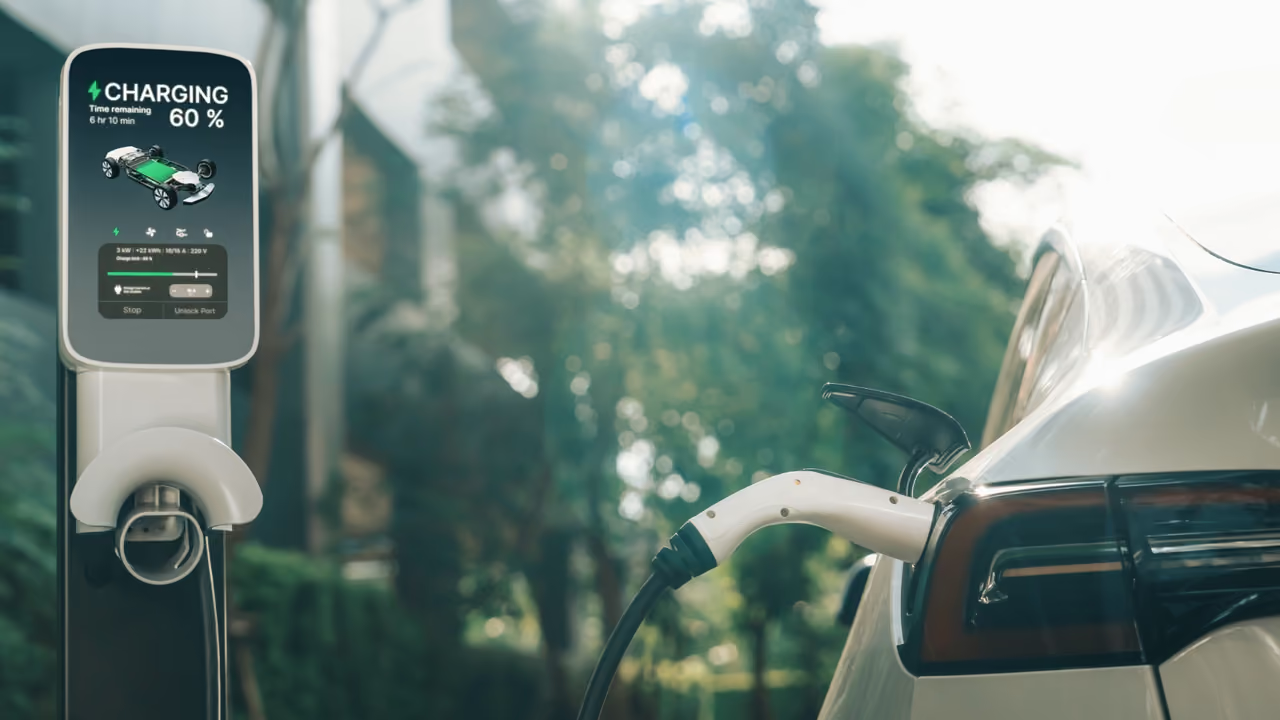
- Level 1: This is your standard household outlet. It’s the slowest method, usually taking 8-12 hours to fully charge your vehicle.
- Level 2: These are more powerful chargers, often found in public charging stations or installed at home. They can usually charge your car in 4-6 hours.
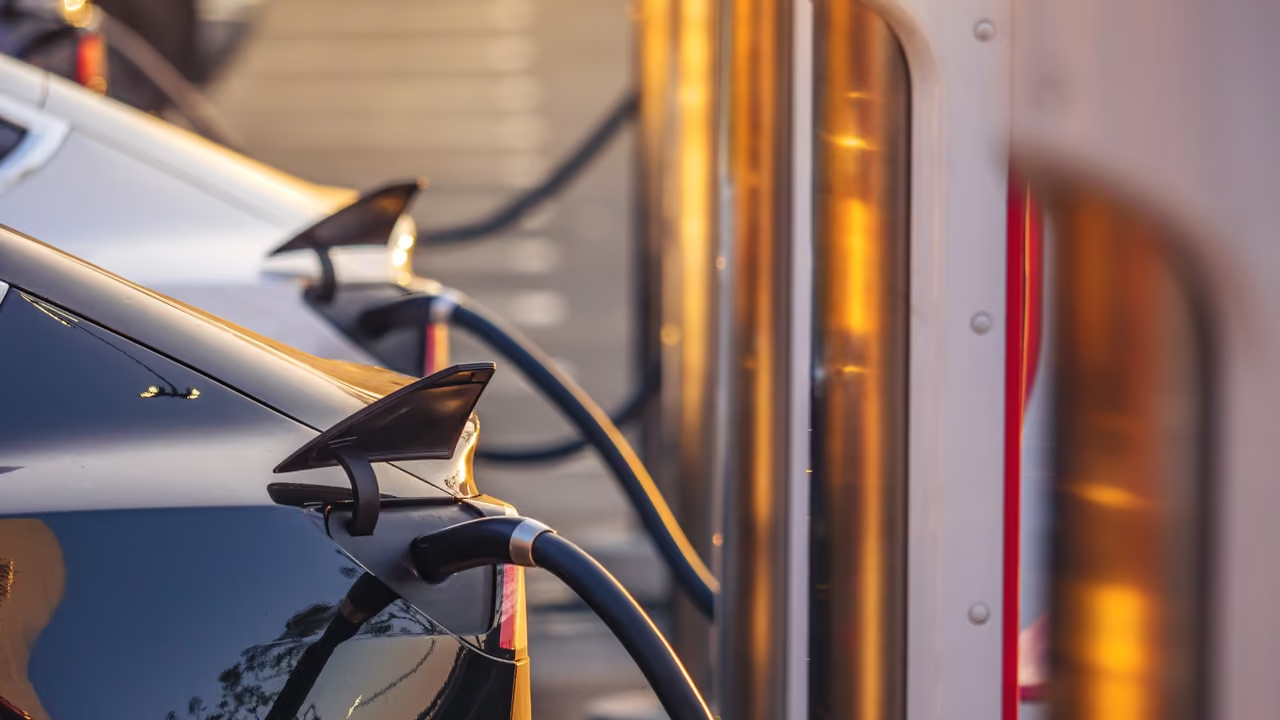
- DC Fast Charging: The superhero of charging options! These stations can charge your EV up to 80% in just 30 minutes. However, they’re not as common and can be harder to find.
the charging experience
Now, let’s talk about the experience itself. Ever stood at a charging station, tapping your foot impatiently while your EV slowly sips power? It can be frustrating. Unlike that quick gas station pit stop, charging takes time. But here’s a thought: what if you could turn that downtime into something productive? Many charging stations are located near cafes, shops, or parks. So while your car is getting its juice, you could be enjoying a coffee or getting some fresh air. It’s a different mindset, but one that can make the experience less tedious.
home charging: convenience or hassle?
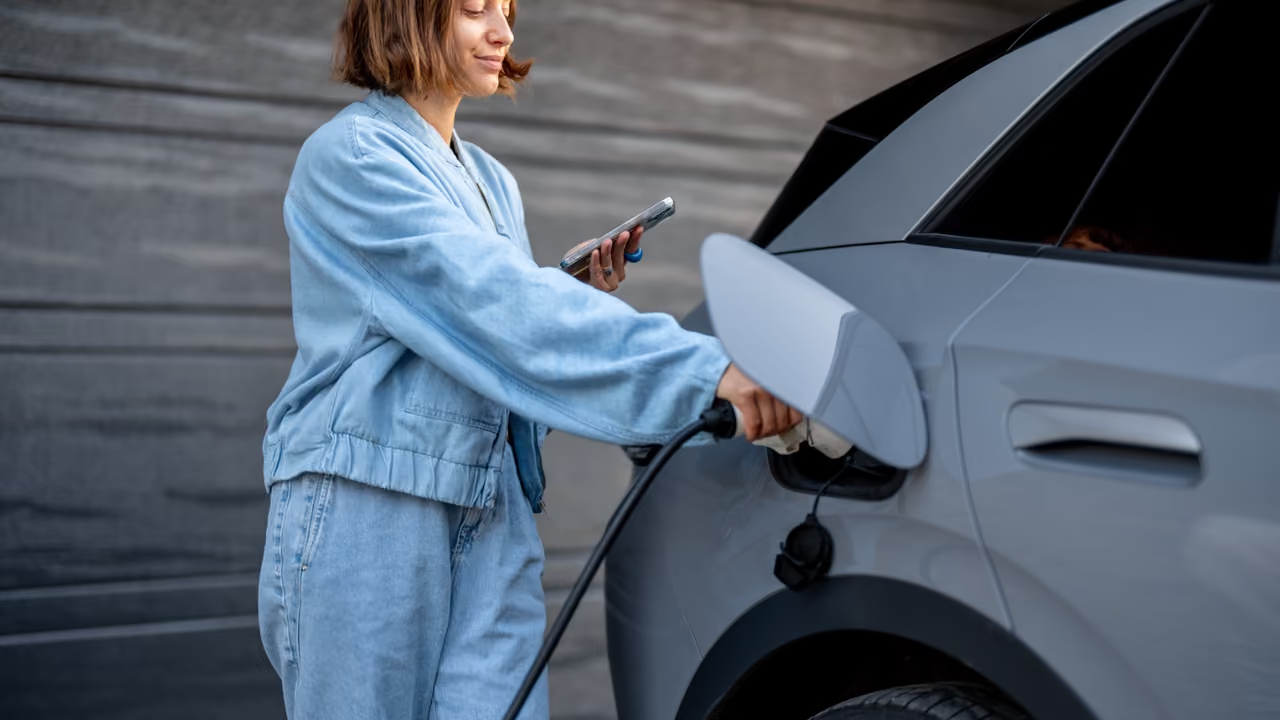
Charging at home is often touted as the most convenient option. You wake up to a full battery, ready to hit the road. But let’s be real; it’s not always that simple. Not every home is set up for EV charging. If you live in an apartment without dedicated parking, charging can be a logistical nightmare. Plus, the initial investment for a Level 2 home charger can be steep. Is the convenience worth the cost? For many, it absolutely is. But it’s not a one-size-fits-all situation.
the growing charging network
As more people make the switch to EVs, the charging network is expanding. Cities are waking up to the need for more charging stations, and companies are stepping up to the plate. You might have noticed charging stations popping up at shopping centers, workplaces, and on highways. It’s a welcome change, but it’s still not enough. You might find yourself playing a game of “will there be a charger available?” on your next road trip. That uncertainty can be nerve-wracking.
the future of charging
Looking ahead, there are exciting developments on the horizon. Wireless charging, ultra-fast chargers, and even solar-powered stations are in the works. Imagine never having to plug in your car again! But until then, we need to face the reality of the current charging infrastructure. It’s getting better, but it still has a long way to go.
personal reflections
So, where do you stand on this electric journey? Are you ready to embrace the change, or are you still clinging to the comfort of your gas-powered vehicle? It’s a personal choice, but one that’s becoming increasingly relevant as we grapple with climate change and the need for sustainable solutions. EVs are part of the solution, but we need a robust charging network to make that transition seamless.
Charging an EV isn’t just about plugging in; it’s about rethinking how we approach our daily commutes, road trips, and the very act of driving. Are you prepared to adapt to this new way of life, or will you let the challenges hold you back? The road ahead is electric, and it’s time to decide how you’ll navigate it.