

Unlocking the Potential of EV Charging Analytics
EV Charging Platform Analytics: Unlocking the Power of Data As the world transitions towards a more sustainable future, electric vehicles (EVs) are gaining…
By LED Marine Editorial3 min read
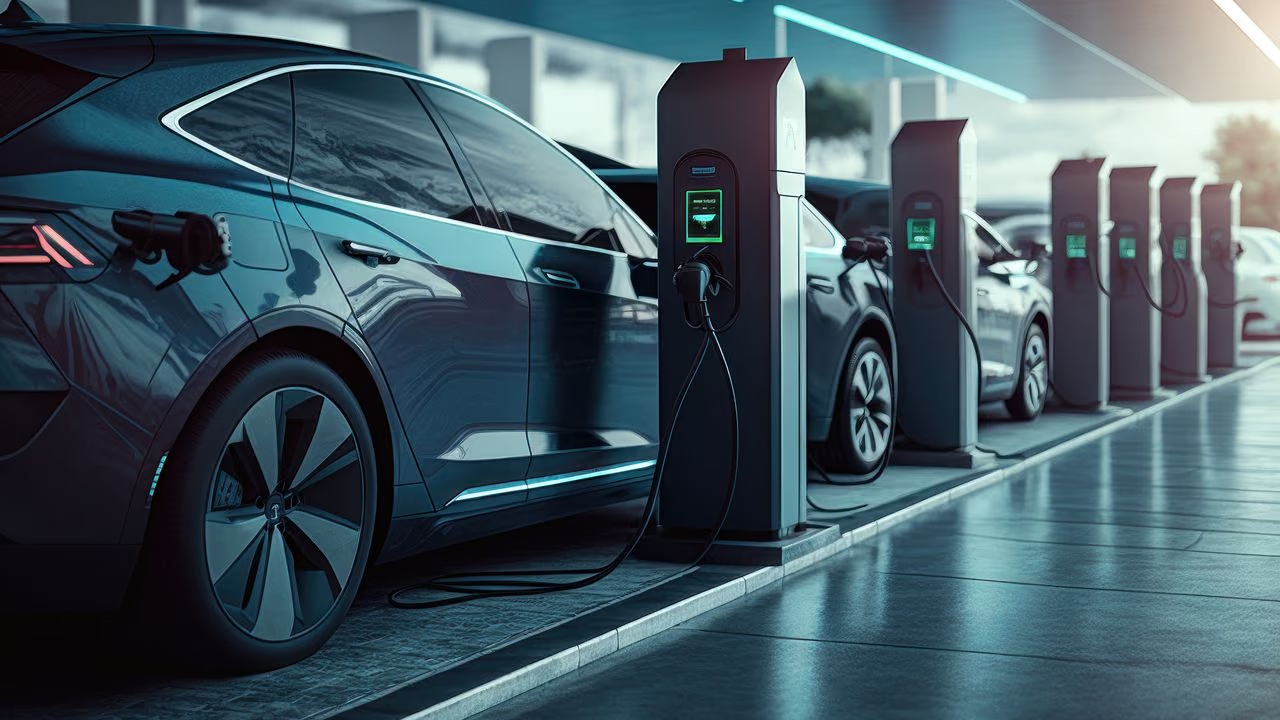
EV Charging Platform Analytics: Unlocking the Power of Data
As the world transitions towards a more sustainable future, electric vehicles (EVs) are gaining popularity at an unprecedented rate. With the increasing number of EVs on the road, the demand for efficient and reliable charging infrastructure has never been greater. This has led to the emergence of EV charging platforms, which not only provide a seamless charging experience but also generate valuable data that can be harnessed to optimize the charging network.
Charging Platform Data Security: Safeguarding the Future
One of the primary concerns surrounding EV charging platforms is data security. With the vast amount of information being collected, it is crucial to ensure that this data is protected from unauthorized access and potential cyber threats. Charging platform providers must implement robust security measures, including encryption protocols, secure authentication, and regular vulnerability assessments, to safeguard the data and maintain the trust of EV owners.
Furthermore, compliance with data protection regulations, such as the General Data Protection Regulation (GDPR), is essential to ensure that the privacy rights of EV owners are respected. By adhering to these regulations, charging platform providers can build trust and foster a secure environment for data collection and analysis.
Charging Network Analytics: Unleashing the Potential
With the proliferation of EV charging stations, it is crucial to analyze the performance and utilization of the charging network to optimize its efficiency. Charging network analytics provides valuable insights into various aspects, including charging patterns, peak demand periods, and station utilization rates. By leveraging this data, charging platform operators can identify underutilized stations, plan for future expansions, and optimize the distribution of charging infrastructure.
Moreover, charging network analytics can help identify areas with high EV adoption rates, allowing stakeholders to prioritize the deployment of charging stations in these regions. This data-driven approach ensures that the charging network is strategically expanded, meeting the growing demand and minimizing the risk of inadequate infrastructure.
Charging Platform Utilization Analysis: Maximizing Efficiency
Understanding how EV owners utilize charging platforms is essential for improving the overall charging experience. Utilization analysis provides insights into factors such as average charging duration, preferred charging times, and the impact of pricing models on user behavior. By analyzing this data, charging platform providers can optimize the user experience by tailoring services to meet the specific needs and preferences of EV owners.
For instance, if the data reveals that a significant number of users prefer charging during off-peak hours, charging platform operators can introduce incentives or discounts to encourage charging during these periods. This not only helps balance the load on the grid but also reduces charging costs for EV owners, making the transition to electric vehicles more attractive.
In conclusion, EV charging platform analytics offers immense potential for optimizing the charging network and enhancing the overall EV ownership experience. By prioritizing data security, leveraging charging network analytics, and conducting utilization analysis, stakeholders can unlock the power of data to build a sustainable and efficient charging infrastructure. As the world embraces electric mobility, harnessing the insights from charging platform data will be crucial in shaping the future of transportation.