Streamlining EV Charging Platform Integration
EV Charging Platform Integration: Streamlining the Future of Electric Vehicles As the demand for electric vehicles (EVs) continues to rise, the need for…
By LED Marine Editorial3 min read

EV Charging Platform Integration: Streamlining the Future of Electric Vehicles
As the demand for electric vehicles (EVs) continues to rise, the need for efficient and user-friendly charging infrastructure becomes increasingly important. One key aspect of this infrastructure is the integration of EV charging platforms, which play a crucial role in ensuring a seamless charging experience for EV owners. In this article, we will explore the concept of EV charging platform integration and its various components, including charging platform data exchange, charging platform frontend integration, and charging platform upgrades.
Charging Platform Data Exchange: Enabling Seamless Communication
At the heart of any EV charging platform integration is the ability to exchange data between different systems and stakeholders. This data exchange allows for real-time monitoring of charging stations, billing and payment processing, and integration with other smart grid technologies. By establishing standardized protocols and APIs, charging platform data exchange ensures interoperability and compatibility between various charging infrastructure providers.
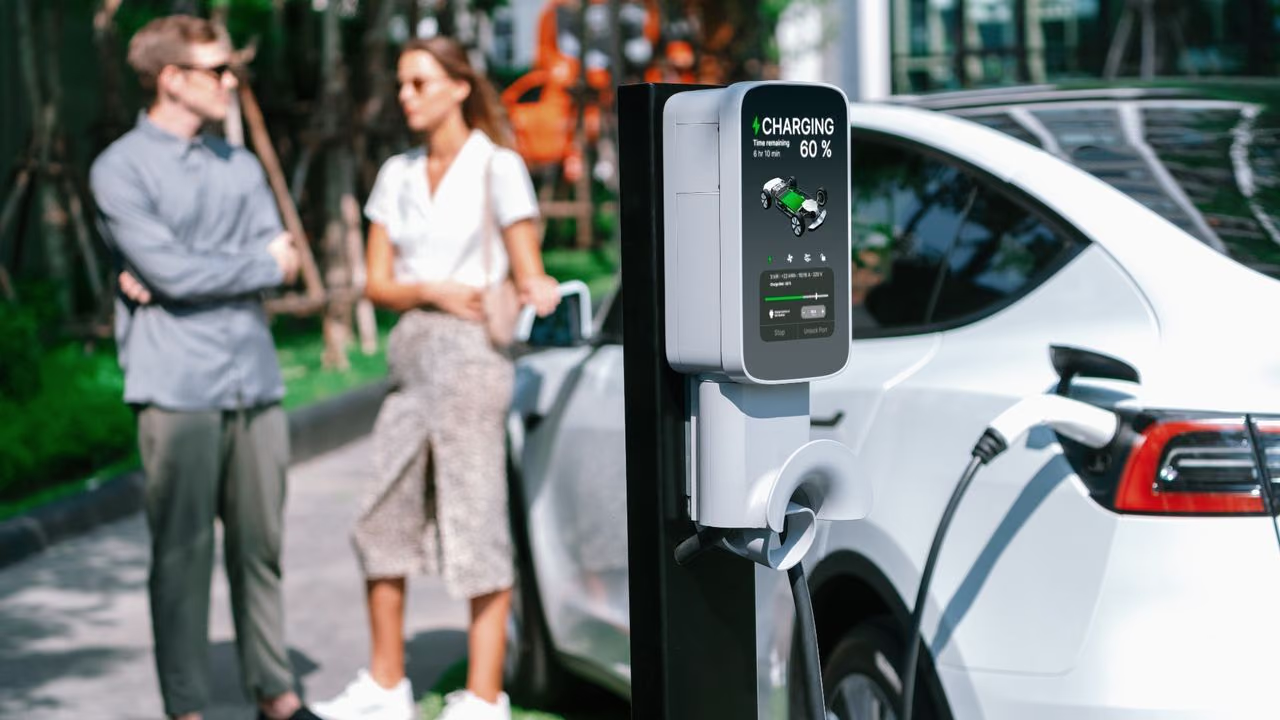
For EV owners, this means they can easily access information about available charging stations, their locations, and charging rates through a single interface. They can also receive notifications about charging status, estimated charging times, and even reserve charging slots in advance. All of this information is made possible through the seamless data exchange between the charging platform and the charging stations.
Charging Platform Frontend Integration: Enhancing User Experience
Another crucial aspect of EV charging platform integration is the frontend integration, which focuses on the user interface and user experience. A well-designed and intuitive frontend allows EV owners to easily navigate through the platform, find nearby charging stations, and initiate charging sessions effortlessly. It should provide clear and concise information about charging rates, available connectors, and any additional services offered at the charging station.
Furthermore, a user-friendly frontend should also support mobile applications, allowing EV owners to access the charging platform on their smartphones or other portable devices. This enables them to monitor their charging sessions remotely, receive notifications, and even pay for charging services through secure mobile payment methods. Frontend integration plays a vital role in ensuring that EV owners can easily interact with the charging platform, making their overall charging experience more convenient and hassle-free.
Charging Platform Upgrades: Adapting to the Changing Landscape
As technology continues to evolve, it is crucial for charging platforms to stay up-to-date with the latest advancements. Regular platform upgrades are necessary to incorporate new features, improve security measures, and enhance overall performance. These upgrades ensure that the charging platform can adapt to the changing needs of EV owners, charging infrastructure providers, and other stakeholders in the EV ecosystem.
One important aspect of charging platform upgrades is the integration of smart grid technologies. This allows charging platforms to communicate with the grid, enabling demand response capabilities and load management. By leveraging real-time data and analytics, charging platforms can optimize charging sessions, reduce peak demand, and ensure efficient utilization of the available charging infrastructure.
Additionally, charging platform upgrades should also focus on enhancing cybersecurity measures. With the increasing reliance on digital systems and connectivity, it is crucial to protect the charging infrastructure from potential cyber threats. Robust security protocols, encryption techniques, and regular vulnerability assessments are essential to safeguard the charging platform and the data it handles.
In Conclusion
EV charging platform integration plays a vital role in streamlining the charging experience for EV owners. By enabling seamless data exchange, intuitive frontend integration, and regular platform upgrades, charging platforms can provide a user-friendly and efficient charging infrastructure. As the EV market continues to grow, it is crucial for charging platforms to adapt and evolve to meet the changing needs of EV owners and other stakeholders in the ecosystem.