Streamlining EV Charging Platform Integration
EV Charging Platform Integration: Streamlining the Future of Electric Vehicle Charging As the demand for electric vehicles (EVs) continues to rise, the need…
By LED Marine Editorial3 min read

EV Charging Platform Integration: Streamlining the Future of Electric Vehicle Charging
As the demand for electric vehicles (EVs) continues to rise, the need for efficient and user-friendly charging solutions becomes paramount. EV charging platform integration plays a crucial role in simplifying the charging process, ensuring seamless payment transactions, and facilitating data exchange between various stakeholders. In this article, we will explore the three key aspects of EV charging platform integration: charging platform payment gateway integration, charging platform frontend integration, and charging platform data exchange.
Charging Platform Payment Gateway Integration
One of the primary challenges in the EV charging ecosystem is the implementation of a secure and reliable payment system. Charging platform payment gateway integration addresses this challenge by seamlessly connecting the charging platform with payment service providers. This integration allows EV users to make payments for their charging sessions through various methods such as credit cards, mobile wallets, or prepaid accounts.
By integrating a payment gateway into the charging platform, users can enjoy a hassle-free and secure payment experience. They can easily initiate and complete transactions without the need for physical cash or multiple payment apps. This integration also enables charging platform operators to track revenue, generate invoices, and manage payment settlements efficiently.
Charging Platform Frontend Integration
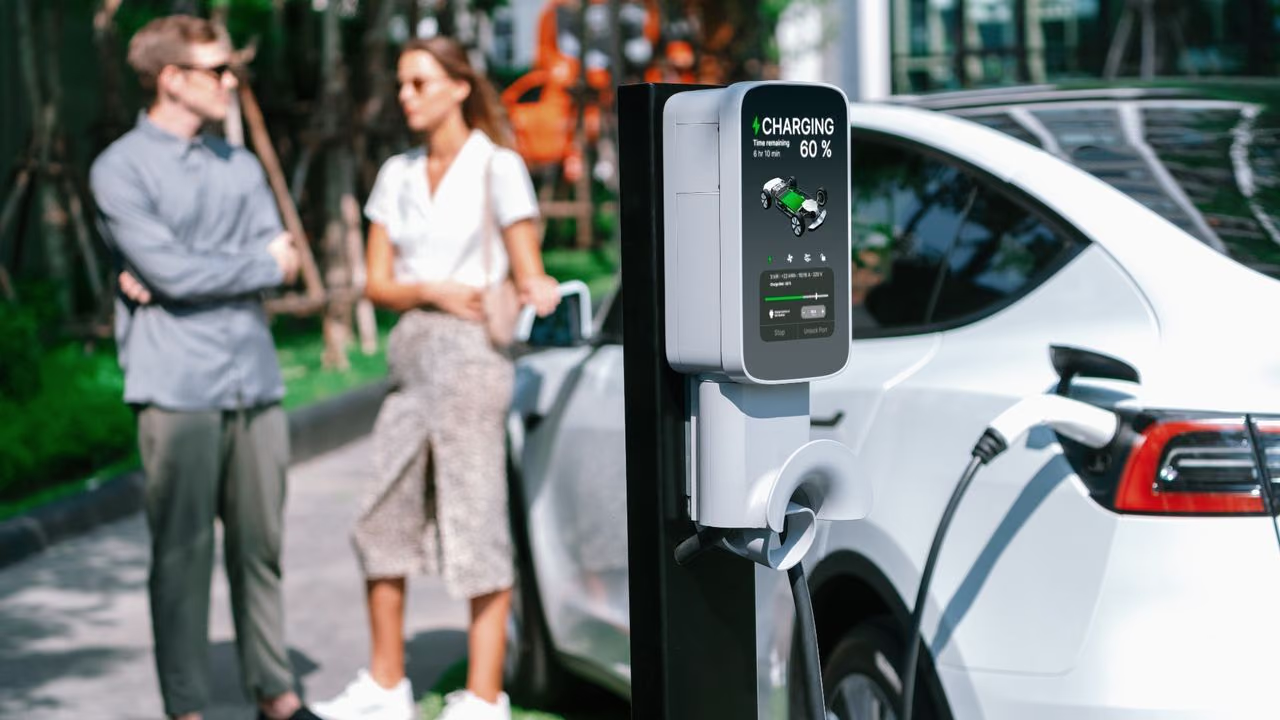
The frontend of an EV charging platform refers to the user interface that EV owners interact with during the charging process. Frontend integration focuses on enhancing the user experience by integrating various features and functionalities into a seamless interface. This includes real-time charging station availability, reservation systems, and personalized user profiles.
By integrating these frontend components into the charging platform, users can easily locate available charging stations, reserve them in advance, and access personalized charging preferences. This integration also enables EV owners to monitor their charging sessions, view historical usage data, and receive notifications about charging status and completion.
Furthermore, frontend integration can also incorporate additional features such as maps, directions, and nearby amenities to enhance the overall user experience. This ensures that EV owners have a user-friendly and intuitive interface that simplifies their charging journey.
Charging Platform Data Exchange
Effective data exchange is crucial for the seamless functioning of an EV charging ecosystem. Charging platform data exchange integration allows for the secure and efficient transfer of data between various stakeholders, including charging platform operators, energy providers, and vehicle manufacturers.
By integrating data exchange capabilities, charging platform operators can gather and analyze valuable data such as charging session duration, energy consumption, and user behavior. This data can then be used to optimize charging infrastructure, plan for future expansion, and implement dynamic pricing strategies.
Additionally, data exchange integration enables energy providers to monitor and manage the energy demand from charging stations, ensuring efficient distribution and grid management. Vehicle manufacturers can also benefit from this integration by accessing charging data to improve vehicle performance, battery management, and overall user experience.
Conclusion
EV charging platform integration plays a vital role in streamlining the future of electric vehicle charging. By integrating payment gateways, frontend components, and data exchange capabilities, charging platforms can offer a seamless and user-friendly experience to EV owners. This integration not only simplifies the payment process but also enhances the overall user experience and enables stakeholders to make data-driven decisions for future infrastructure development.