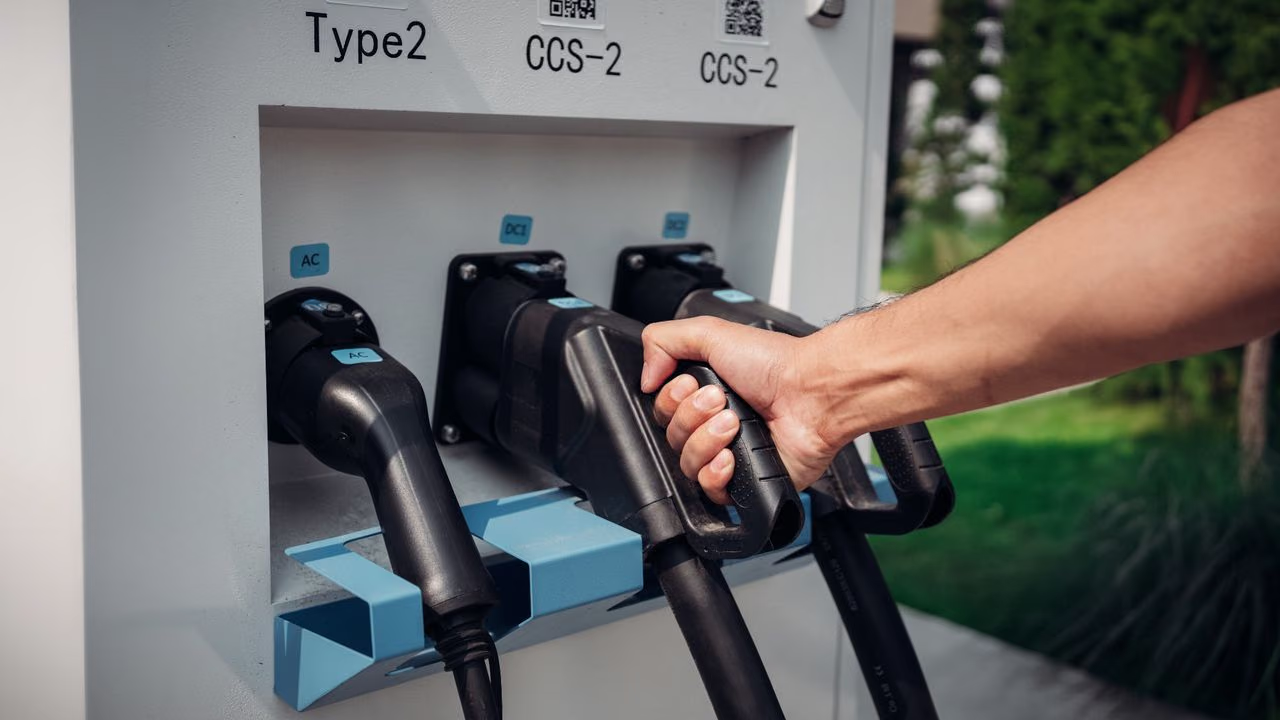
Simplifying EV Charging Station Payments
EV Charging Station Billing and Payments: Simplifying the Process As electric vehicles (EVs) continue to gain popularity, the need for reliable and efficient…
By LED Marine Editorial3 min read
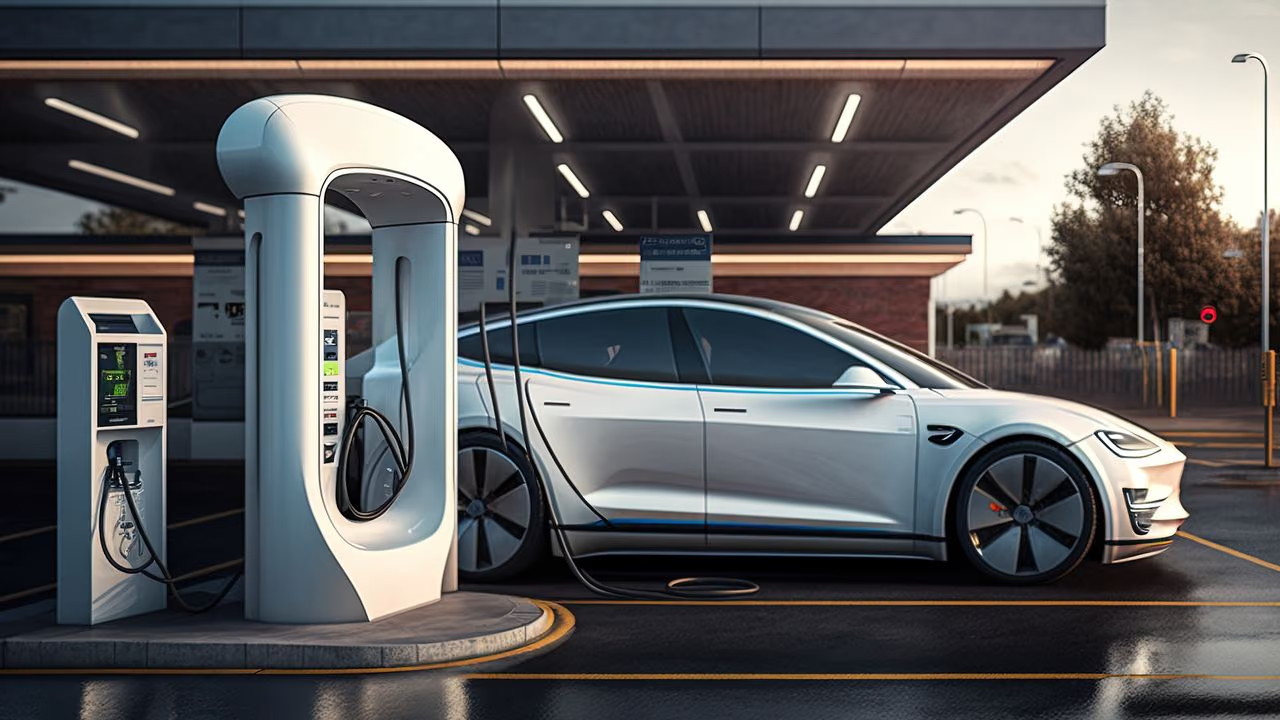
EV Charging Station Billing and Payments: Simplifying the Process
As electric vehicles (EVs) continue to gain popularity, the need for reliable and efficient EV charging stations is on the rise. With the increasing number of EV owners, it is crucial for charging station operators to have a seamless billing and payment system in place. In this article, we will explore the importance of charging station payment reconciliation, billing analytics, and various payment methods.
Charging Station Payment Reconciliation
One of the key challenges faced by charging station operators is the reconciliation of payments. With multiple charging sessions happening simultaneously, it can be a daunting task to keep track of all the transactions. However, with the right tools and technologies, this process can be simplified.
Charging station payment reconciliation involves matching the charging sessions with the corresponding payments to ensure accuracy and transparency. By implementing an automated system, operators can easily reconcile payments, identify any discrepancies, and resolve them promptly.
Charging Station Billing Analytics
Understanding the charging patterns and usage trends is crucial for charging station operators to optimize their services and make informed decisions. This is where charging station billing analytics comes into play.
By analyzing the data collected from charging sessions, operators can gain valuable insights into user behavior, peak usage hours, and overall station performance. These insights can help in identifying areas for improvement, such as increasing the number of charging ports during peak hours or offering discounts during low-demand periods.
Moreover, billing analytics can also help operators in identifying any fraudulent activities or misuse of charging stations. By closely monitoring the charging patterns and comparing them with the payment records, operators can detect any discrepancies and take appropriate actions.
Charging Station Payment Methods
Offering a variety of payment methods is essential to cater to the diverse needs of EV owners. Here are some common payment methods that charging station operators can consider:
- Credit/Debit Cards: Accepting credit and debit cards is a convenient and widely-used payment method. It allows users to pay for their charging sessions using their preferred cards.
- Mobile Wallets: With the increasing popularity of mobile payment apps, integrating mobile wallets such as Apple Pay or Google Pay can provide a seamless payment experience for users.
- RFID Cards/Tags: Radio Frequency Identification (RFID) cards or tags can be issued to users, allowing them to simply tap their cards on the charging station to initiate and pay for the charging session.
- Subscription Plans: Offering subscription plans can be an attractive option for frequent EV users. By subscribing to a plan, users can enjoy discounted rates or other benefits, making it a cost-effective choice.
It is important for charging station operators to assess their target audience and choose the payment methods accordingly. Providing a variety of options ensures that users can easily pay for their charging sessions, enhancing their overall experience.
Conclusion
Efficient billing and payment systems are crucial for the success of EV charging stations. By implementing charging station payment reconciliation, leveraging billing analytics, and offering diverse payment methods, operators can simplify the process and provide a seamless experience for EV owners. As the demand for EV charging stations continues to grow, it is essential for operators to stay updated with the latest technologies and trends to meet the evolving needs of their customers.