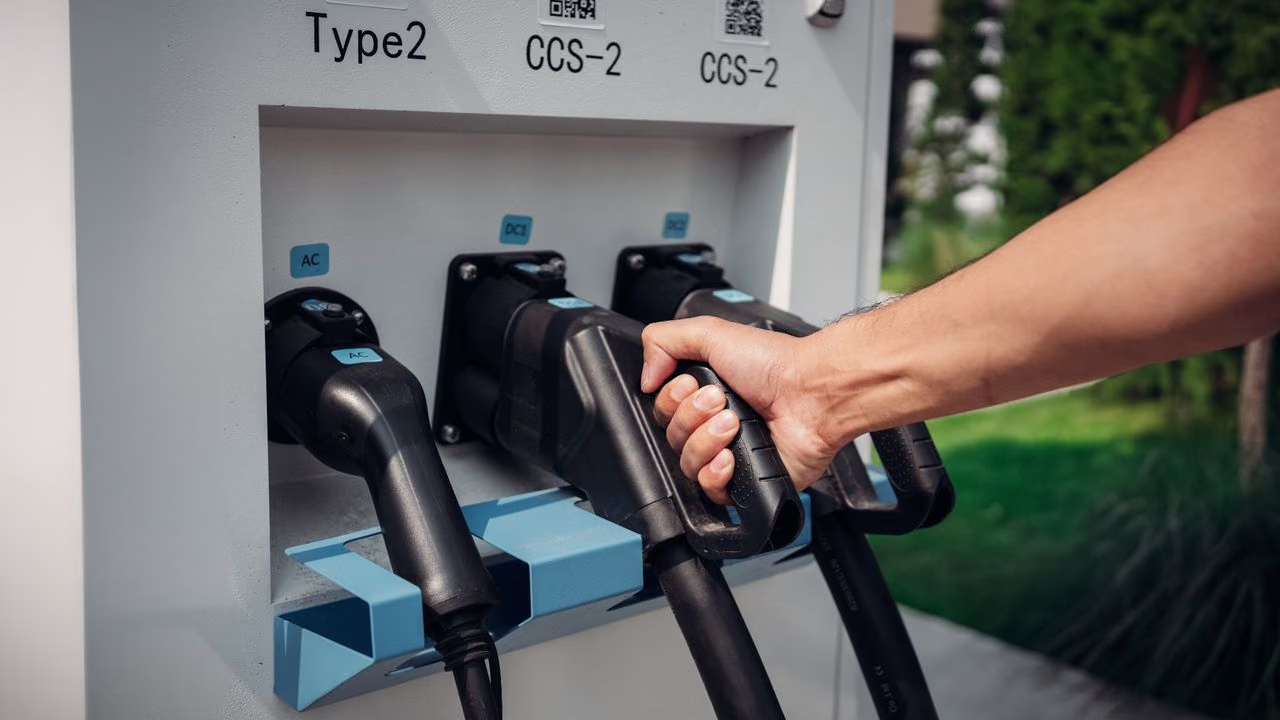

Seamless EV Charging Station Billing
EV Charging Station Billing and Payments: Ensuring Fairness and Convenience As electric vehicles (EVs) continue to gain popularity, the need for reliable and…
By LED Marine Editorial3 min read

EV Charging Station Billing and Payments: Ensuring Fairness and Convenience
As electric vehicles (EVs) continue to gain popularity, the need for reliable and efficient charging infrastructure becomes increasingly important. One crucial aspect of this infrastructure is the billing and payment system for EV charging stations. In order to encourage widespread adoption of EVs, it is essential to provide users with a seamless and transparent billing experience while also safeguarding against potential fraud. This article explores the key elements of charging station billing, including fraud detection, user experience, and software solutions.
Fraud Detection: Protecting Users and Providers
One of the primary concerns surrounding EV charging station billing is the potential for fraud. Just like any other payment system, charging station billing is susceptible to unauthorized access and misuse. To address this issue, robust fraud detection mechanisms must be in place.
Charging station operators should implement advanced security measures to prevent fraudulent activities. This may include encryption of payment data, two-factor authentication, and real-time monitoring of transactions. By investing in reliable fraud detection systems, both users and providers can rest assured that their financial information is secure.
User Experience: Making Billing Hassle-Free
When it comes to EV charging station billing, user experience plays a crucial role in encouraging adoption and customer satisfaction. A seamless and user-friendly billing process can significantly enhance the overall EV charging experience.
First and foremost, charging station providers should ensure that the payment process is straightforward and intuitive. Clear instructions, user-friendly interfaces, and easily accessible payment options can go a long way in making the billing experience hassle-free. Additionally, offering multiple payment methods, such as credit cards, mobile wallets, or even contactless payments, can cater to a wider range of user preferences.
Moreover, providing real-time information about charging costs and remaining charging time can help users plan their charging sessions effectively. This transparency not only builds trust but also enables users to make informed decisions about their charging needs.
Charging Station Billing Software: Streamlining Operations
Efficient billing and payment software is the backbone of any charging station network. It enables operators to manage transactions, monitor usage, and generate accurate billing statements. Investing in robust charging station billing software can streamline operations and ensure smooth financial management.
When selecting a billing software solution, charging station operators should prioritize features such as automated invoicing, customizable pricing plans, and integration with various payment gateways. This allows for flexibility in accommodating different business models and user requirements.
Furthermore, charging station billing software should provide comprehensive reporting and analytics capabilities. This allows operators to gain valuable insights into usage patterns, revenue generation, and potential areas for improvement. By leveraging data-driven insights, operators can optimize their charging infrastructure and enhance the overall user experience.
In Conclusion
EV charging station billing and payments are critical components of a well-functioning charging infrastructure. By prioritizing fraud detection, user experience, and investing in reliable billing software, operators can ensure fairness, convenience, and security for both users and providers. As the demand for EVs continues to grow, it is imperative to establish robust billing systems that encourage adoption and contribute to a sustainable future.