
Optimizing EV Charging Networks: API Integration, Revenue Management, and Monitoring
EV Charging Network Management: Optimizing Efficiency and Revenue As the popularity of electric vehicles (EVs) continues to rise, the need for a reliable and…
By LED Marine Editorial3 min read
EV Charging Network Management: Optimizing Efficiency and Revenue
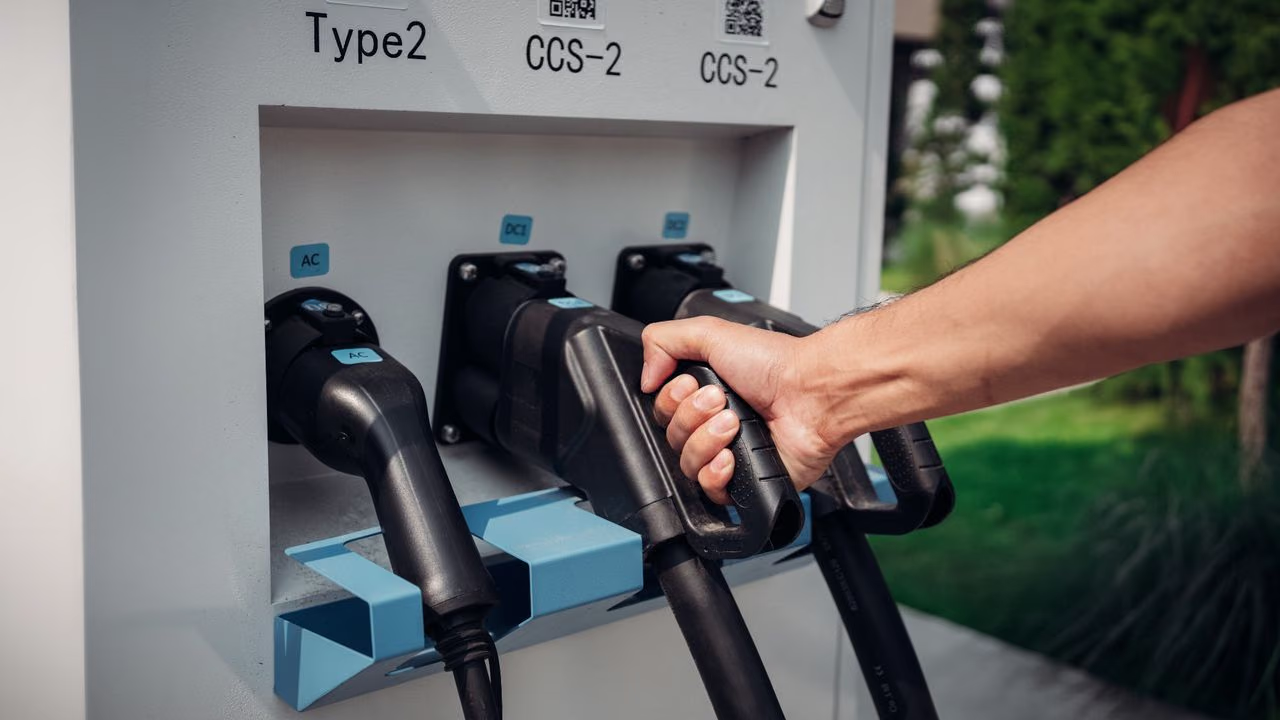
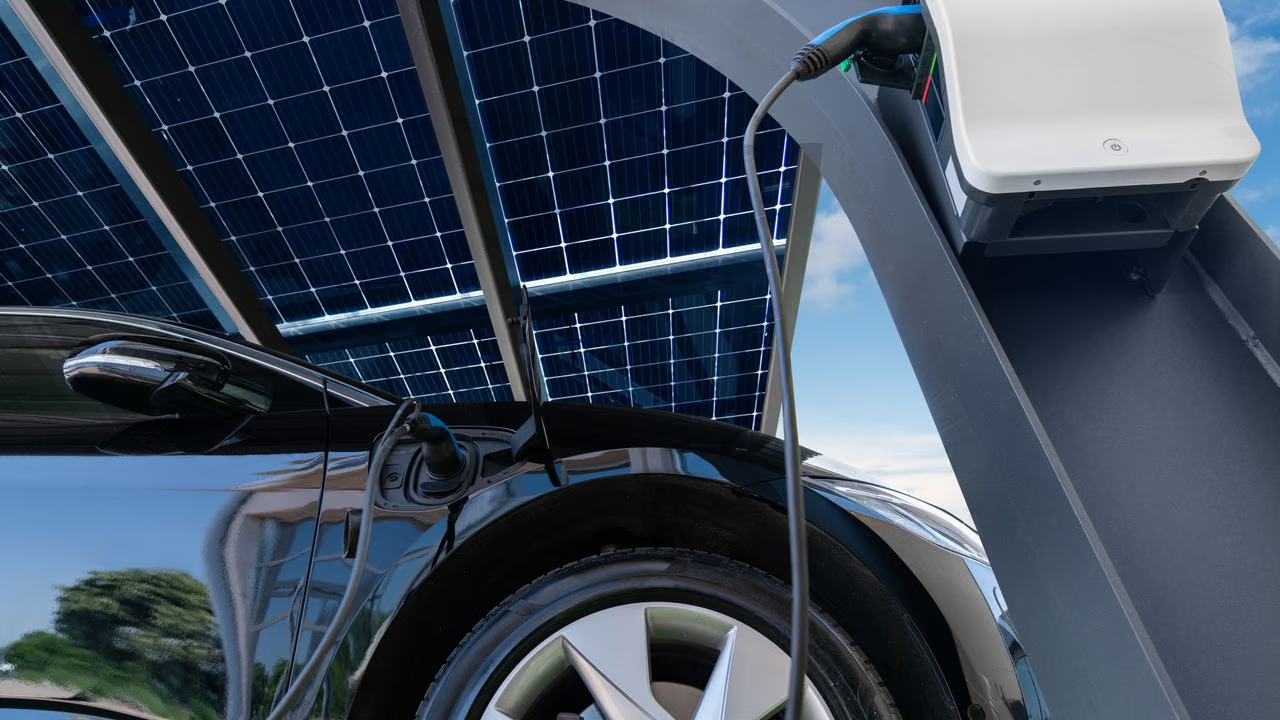
As the popularity of electric vehicles (EVs) continues to rise, the need for a reliable and efficient EV charging network becomes increasingly important. EV charging network management plays a crucial role in ensuring that EV owners have access to convenient and fast charging options. In this blog post, we will explore the key aspects of EV charging network management, including the use of charging network APIs, revenue management strategies, and monitoring techniques.
Charging Network API: Streamlining Charging Operations
A charging network API (Application Programming Interface) acts as a bridge between different software systems, enabling seamless communication and data exchange. In the context of EV charging network management, an API allows charging station operators to integrate their systems with various applications, such as mobile apps or navigation systems, to provide real-time information about charging station availability, pricing, and other relevant details.
By implementing a charging network API, charging station operators can streamline their operations and enhance the overall user experience. EV owners can easily locate and reserve charging stations, check real-time availability, and receive notifications when their vehicle is fully charged. This level of convenience and accessibility encourages more EV adoption and usage.
Charging Network Revenue Management: Maximizing Profitability
Effective revenue management is crucial for the sustainability and growth of EV charging networks. Charging network operators need to strike a balance between providing affordable charging options for EV owners and generating sufficient revenue to cover operational costs and future expansions.
Implementing dynamic pricing strategies can be a key component of charging network revenue management. By analyzing factors such as demand, time of day, location, and charging station utilization, operators can adjust pricing to optimize revenue. For example, peak hours or high-demand locations can have higher charging rates, while off-peak hours or less-utilized stations can offer discounted rates to incentivize usage.
Moreover, charging network operators can explore partnerships with businesses, municipalities, or other organizations to generate additional revenue streams. For instance, collaborations with retail stores, parking facilities, or renewable energy providers can lead to mutually beneficial arrangements, such as revenue sharing or cross-promotion.
Charging Network Monitoring: Ensuring Reliability and Performance
Continuous monitoring of the charging network is essential to ensure its reliability, performance, and user satisfaction. Charging network operators must have robust monitoring systems in place to track various parameters, including charging station uptime, usage patterns, and customer feedback.
Real-time monitoring allows operators to identify and address any issues promptly. For example, if a charging station goes offline or experiences technical difficulties, operators can quickly dispatch maintenance personnel to resolve the problem. Additionally, monitoring usage patterns helps operators identify high-demand areas and plan for future expansion or installation of additional charging stations.
Customer feedback is another crucial aspect of charging network monitoring. By actively seeking and analyzing user feedback, operators can gain insights into user preferences, identify areas for improvement, and enhance the overall charging experience.
Conclusion
Efficient EV charging network management is vital for the widespread adoption and success of electric vehicles. By leveraging charging network APIs, implementing effective revenue management strategies, and establishing robust monitoring systems, operators can optimize efficiency, maximize revenue, and ensure a reliable charging experience for EV owners. As the EV market continues to grow, investing in comprehensive charging network management will be key to meeting the evolving needs of EV owners and supporting the transition to a sustainable future.