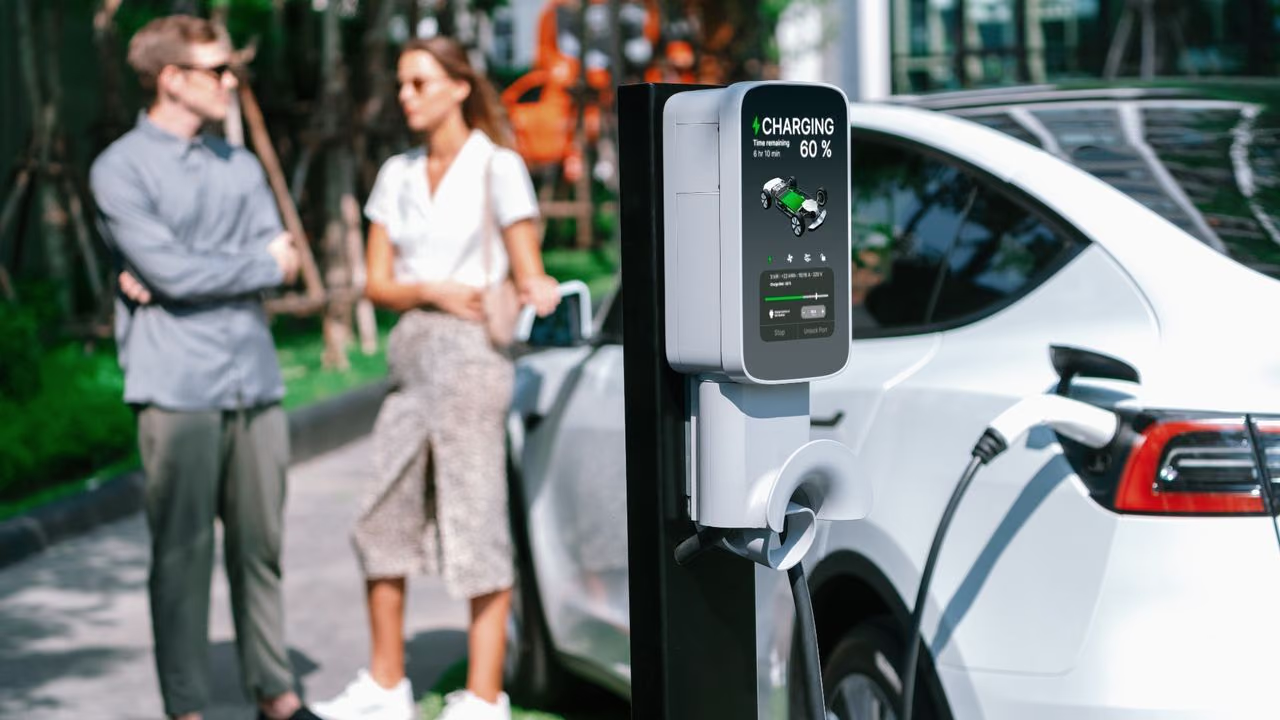
Optimizing EV Charging Network Management
EV Charging Network Management: Optimizing Efficiency and Accessibility As the popularity of electric vehicles (EVs) continues to rise, the need for a robust…
By LED Marine Editorial3 min read

EV Charging Network Management: Optimizing Efficiency and Accessibility
As the popularity of electric vehicles (EVs) continues to rise, the need for a robust and efficient EV charging network becomes increasingly important. One of the key aspects of managing an EV charging network is ensuring its availability and accessibility to users. This is where charging network management software and APIs play a crucial role.
The Role of Charging Network API
A charging network API (Application Programming Interface) acts as a bridge between different components of an EV charging network. It allows different software systems to communicate and exchange data, enabling seamless integration and interoperability. By utilizing a charging network API, charging network operators can effectively manage and monitor the charging infrastructure.
With a charging network API, operators can access real-time information about the status of charging stations, such as availability, power output, and charging rates. This data can be used to optimize charging network operations, identify potential issues, and provide users with accurate information about the availability of charging stations.
The Role of Charging Network Software
Charging network software plays a vital role in managing the overall operations of an EV charging network. It allows operators to monitor and control charging stations, manage user accounts, handle payments, and generate reports. By utilizing charging network software, operators can streamline their processes, enhance user experience, and ensure the efficient utilization of the charging infrastructure.
One of the key features of charging network software is its ability to manage and prioritize charging sessions based on various factors, such as user preferences, charging station availability, and energy demand. This ensures that the charging network operates at its maximum capacity while minimizing waiting times for users.
Additionally, charging network software can provide advanced analytics and reporting capabilities. Operators can analyze charging patterns, identify peak usage times, and plan for future infrastructure expansion. This data-driven approach helps in optimizing the charging network’s performance and ensuring its long-term sustainability.
Ensuring Charging Network Availability
Charging network availability is a critical factor in promoting the widespread adoption of EVs. Users need to have confidence that they can easily find and access charging stations when needed. Charging network management software and APIs play a crucial role in ensuring the availability of charging stations.
By utilizing real-time data from charging network APIs, operators can monitor the status of charging stations and quickly address any issues that may arise. This proactive approach helps in minimizing downtime and ensuring that charging stations are always available for use.
Furthermore, charging network software can provide users with accurate and up-to-date information about the availability of charging stations through mobile apps or websites. This information can include real-time updates on the number of available charging points, estimated waiting times, and even reservation options. By providing users with this information, operators can enhance the overall user experience and encourage the use of EVs.
Conclusion
Efficient management of an EV charging network is crucial for its success and widespread adoption. Charging network APIs and software enable operators to monitor, control, and optimize the charging infrastructure. By ensuring the availability and accessibility of charging stations, operators can provide a seamless charging experience for EV users and contribute to the growth of sustainable transportation.