Monitoring EV Charging Sessions: Anomaly Detection & Tariff Management
EV Charging Session Monitoring: Keeping an Eye on Anomalies Electric vehicles (EVs) have gained significant popularity in recent years, thanks to their…
By LED Marine Editorial3 min read
EV Charging Session Monitoring: Keeping an Eye on Anomalies
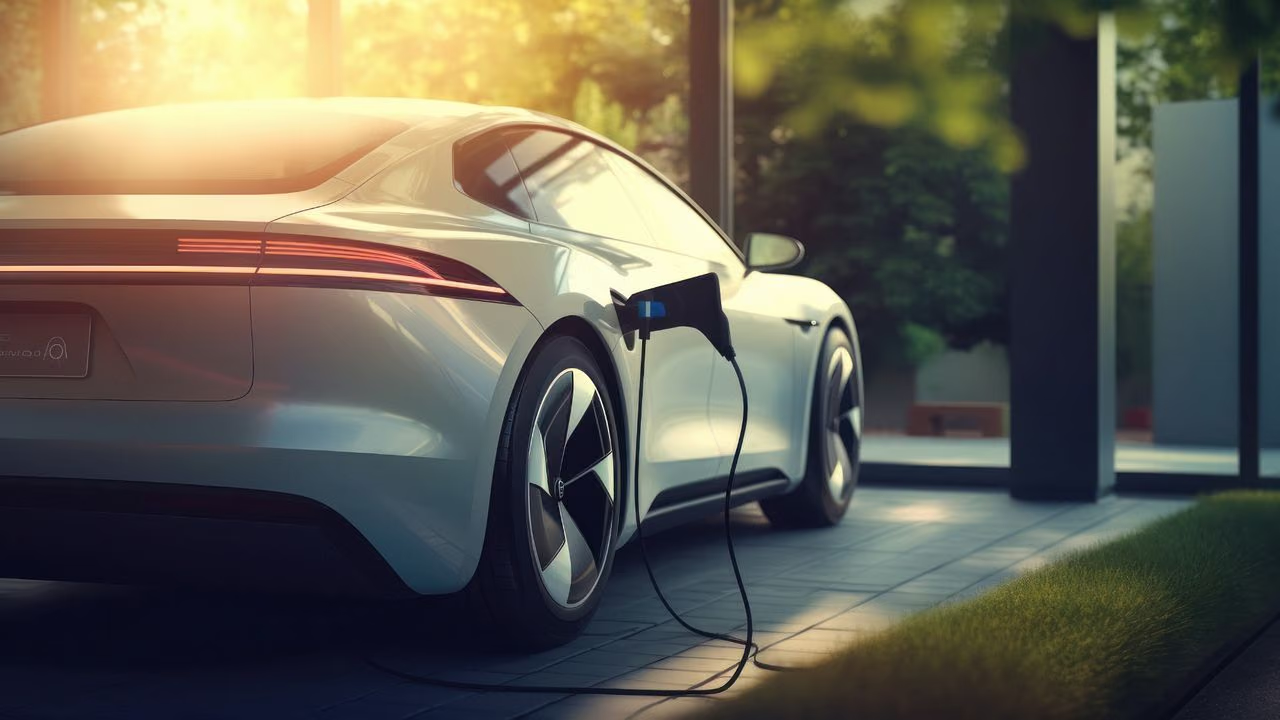
Electric vehicles (EVs) have gained significant popularity in recent years, thanks to their eco-friendly nature and cost-effectiveness. With more and more people opting for EVs, the need for efficient charging infrastructure has become paramount. One crucial aspect of managing EV charging stations is monitoring charging sessions to ensure smooth operations and detect any anomalies that may arise.
Charging Session Anomaly Detection
When it comes to EV charging, anomalies can occur for various reasons. It could be a technical glitch in the charging station, a malfunctioning vehicle, or even an attempted fraudulent activity. Detecting and addressing these anomalies promptly is essential to maintain a reliable and secure charging network.
By implementing advanced monitoring systems, charging station operators can keep a close eye on charging sessions in real-time. These systems analyze various parameters, such as charging voltage, current, and duration, to identify any abnormalities. For example, if a charging session is taking longer than usual or if the charging power suddenly drops, it could indicate a problem that needs attention.
Early anomaly detection not only helps in preventing potential issues but also ensures that EV owners have a seamless and hassle-free charging experience. It allows operators to proactively address any problems and minimize downtime, thus maximizing customer satisfaction.
Charging Session Tariff Management
Another crucial aspect of EV charging session monitoring is tariff management. Charging station operators need to accurately track and manage the energy consumed by each vehicle to ensure fair billing and revenue generation.
With the help of smart charging systems, operators can monitor the energy consumption of individual charging sessions. This data can then be used to calculate the appropriate tariff based on factors such as charging duration, energy consumed, and time of day. By implementing dynamic pricing models, operators can incentivize off-peak charging and optimize the utilization of the charging infrastructure.
Moreover, accurate tariff management also enables operators to provide detailed billing statements to EV owners, enhancing transparency and trust in the charging network. EV owners can easily track their charging expenses, making it easier for them to manage their overall transportation costs.
Charging Session End Time
One common challenge faced by EV owners is the availability of charging stations, especially during peak hours. Monitoring the end time of charging sessions can help operators ensure that vehicles do not occupy charging stations for longer than necessary, thus maximizing the utilization of the infrastructure.
By implementing automated alerts and notifications, operators can inform EV owners when their charging session is about to complete. This allows them to promptly move their vehicle and make space for other EV owners waiting to charge. Additionally, operators can also set a maximum charging duration for each session, ensuring fair access to all users.
Efficient management of charging session end times not only improves the overall user experience but also helps in reducing waiting times and congestion at charging stations. It promotes a more organized and streamlined charging network, benefiting both EV owners and operators alike.
Conclusion
Monitoring EV charging sessions is crucial for ensuring the smooth operation of charging infrastructure. By detecting anomalies, managing tariffs, and monitoring end times, operators can provide a reliable, secure, and efficient charging experience for EV owners. As the popularity of EVs continues to rise, investing in robust monitoring systems becomes essential to meet the growing demand and ensure a sustainable future of transportation.