EV Charging Station Scheduling: Balancing Convenience and Grid Load
EV Charging Station Scheduling: Balancing Convenience and Grid Load Remember the days when finding an available parking spot was a challenge in itself? Well…
By LED Marine Editorial3 min read
EV Charging Station Scheduling: Balancing Convenience and Grid Load
Remember the days when finding an available parking spot was a challenge in itself? Well, with the rise of electric vehicles (EVs), there’s a new challenge on the block – finding an available charging station. As EV ownership continues to grow, so does the need for efficient and fair scheduling of charging stations. In this article, we’ll delve into the world of EV charging station scheduling, exploring the concepts of time-based pricing, grid load balancing, and the conflicts that arise.
Time-Based Pricing: Finding the Sweet Spot
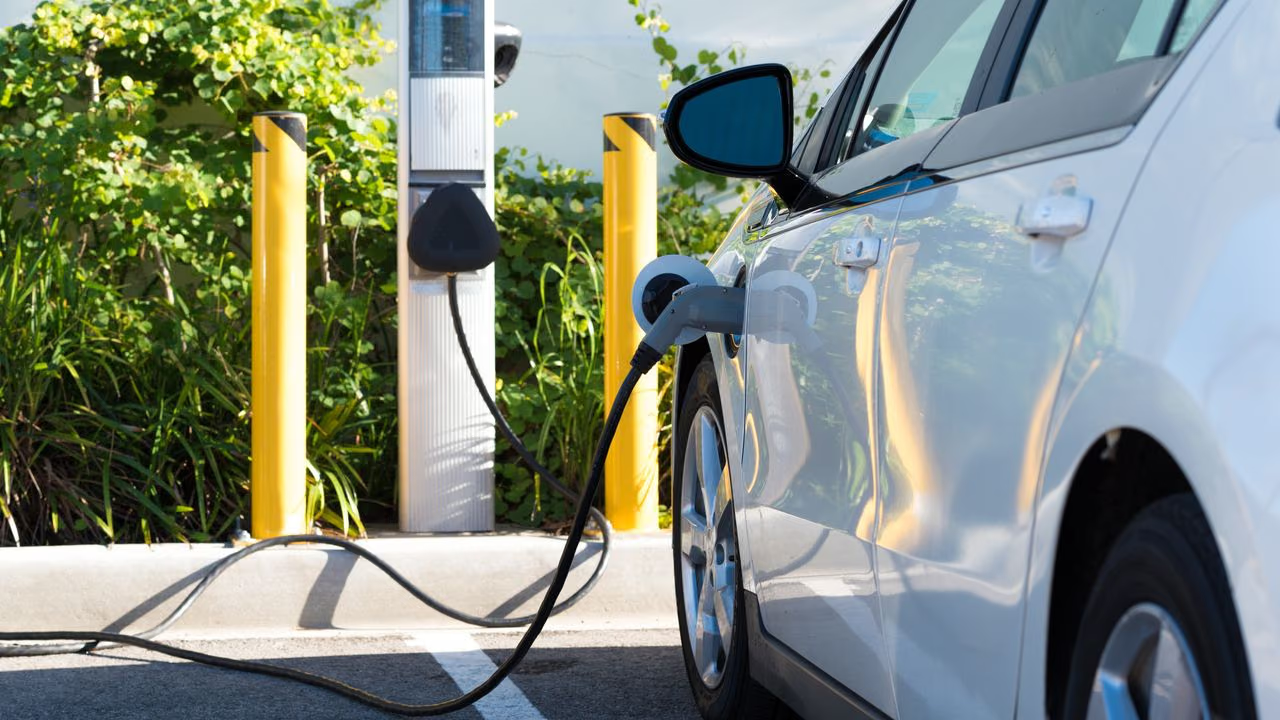
Charging your EV used to be as simple as plugging it in and waiting. However, as more drivers turn to electric vehicles, the demand for charging stations has skyrocketed. To ensure fair access and optimize usage, many charging stations now implement time-based pricing.
Time-based pricing is a strategy where the cost of charging varies depending on the time of day. During peak hours when the demand for electricity is high, charging your vehicle might cost more. Conversely, charging during off-peak hours could mean significant savings. This approach incentivizes drivers to charge their vehicles when the grid has excess capacity, helping to balance the load on the system.
Grid Load Balancing: The Power of Scheduling
With the increasing number of EVs on the roads, the demand for electricity continues to rise. This surge in demand puts a strain on the power grid, especially during peak usage periods. To prevent overloading the system and ensure a stable power supply, grid load balancing becomes crucial.
Charging station scheduling plays a vital role in grid load balancing. By staggering the charging times for different vehicles, the load on the grid can be spread out more evenly. This not only reduces the risk of blackouts or power surges but also optimizes the use of renewable energy sources. Imagine a world where EVs are charged primarily when the sun is shining, and solar energy is abundant. That’s the power of smart scheduling!
Conflicts and Challenges
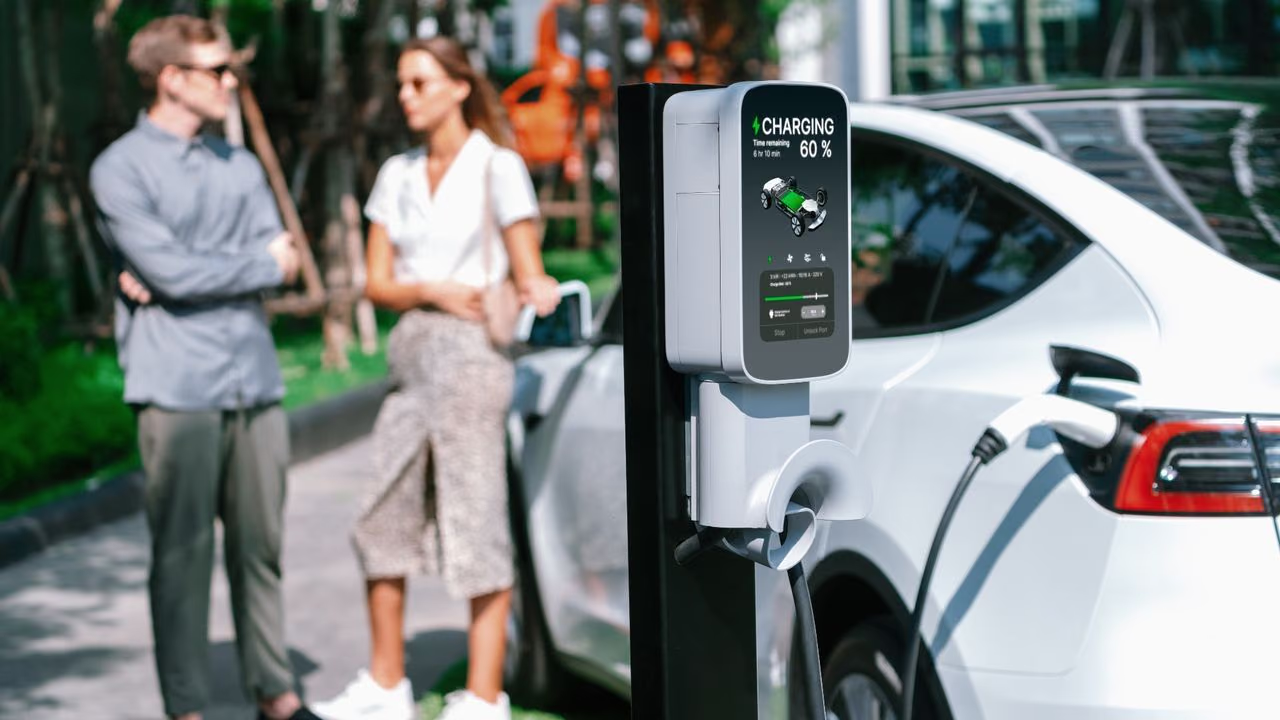
As with any system, EV charging station scheduling is not without its challenges. One of the most significant hurdles is the potential for conflicts between EV owners. With limited charging stations available, it’s not uncommon for drivers to vie for the same spot at the same time.
Resolving scheduling conflicts requires a fair and efficient system. Some charging stations employ a first-come, first-served approach, but this can lead to frustration and long waiting times. Others use reservation systems, allowing drivers to book a charging spot in advance. However, this approach may not be practical for spontaneous charging needs or when drivers are uncertain about their charging requirements.
To strike a balance, some charging stations implement a combination of strategies. They may reserve a portion of the charging spots for pre-bookings, while keeping the remaining spots available for immediate usage. This hybrid approach aims to cater to both planned and unplanned charging needs, providing convenience while minimizing conflicts.
In Conclusion
EV charging station scheduling is a complex dance between convenience and grid load balancing. Time-based pricing incentivizes drivers to charge during off-peak hours, while scheduling helps spread the load on the power grid more evenly. However, conflicts can arise when multiple drivers compete for limited charging spots. To address this, a combination of reservation systems and immediate usage options can provide a fair and efficient solution.
As the popularity of EVs continues to rise, the importance of well-formulated charging station scheduling cannot be overstated. By finding the sweet spot between convenience and grid load balancing, we can ensure a smooth transition to an electric future.