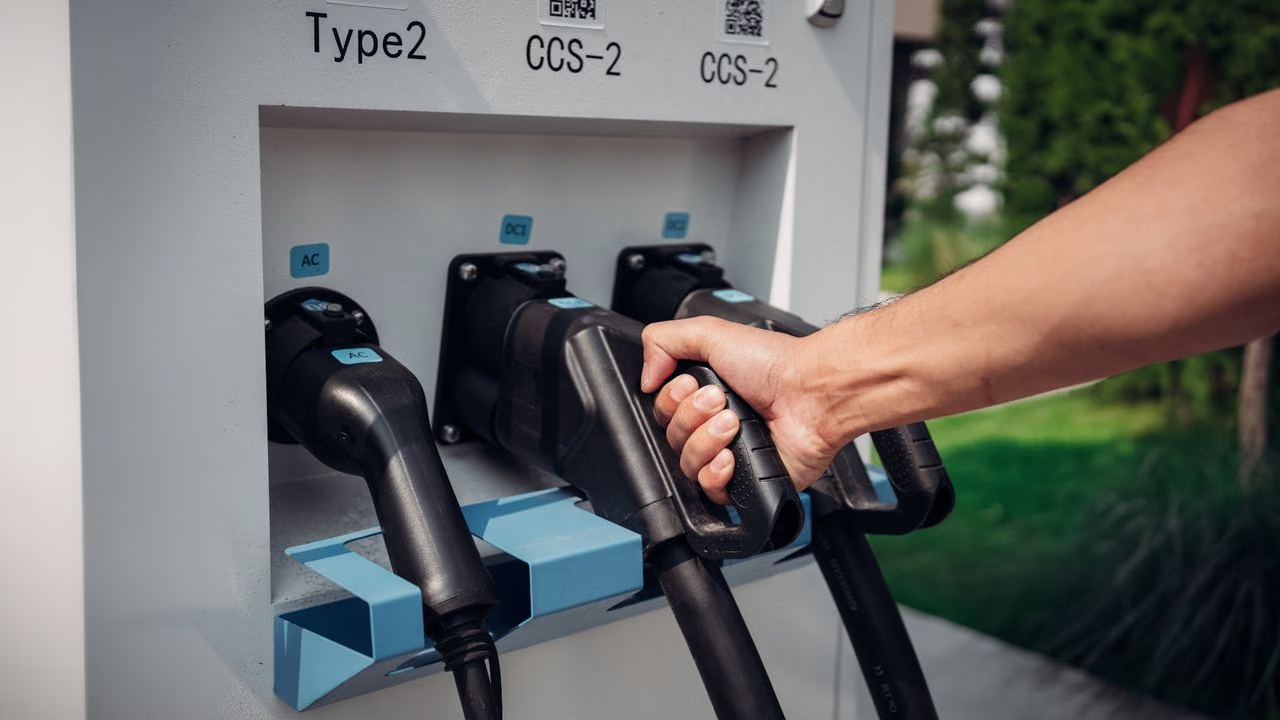

EV Charging Station Billing and Payments: Security and Transparency
EV Charging Station Billing and Payments: Ensuring Security and Transparency As the popularity of electric vehicles (EVs) continues to rise, the need for…
By LED Marine Editorial3 min read

EV Charging Station Billing and Payments: Ensuring Security and Transparency
As the popularity of electric vehicles (EVs) continues to rise, the need for reliable and efficient EV charging infrastructure becomes increasingly important. One crucial aspect of this infrastructure is the billing and payment process at EV charging stations. In order to encourage widespread adoption of EVs, it is essential to address concerns related to charging station payment security, billing transparency, and the use of advanced charging station billing software.
Charging Station Payment Security
When it comes to EV charging station payment security, both station operators and EV owners have a vested interest in ensuring that their financial transactions are protected. To achieve this, various security measures can be implemented:
- Encryption: All payment data should be encrypted during transmission to prevent unauthorized access.
- Tokenization: Instead of storing actual credit card information, tokenization replaces it with a unique identifier, reducing the risk of data breaches.
- Secure Payment Gateways: Charging station operators should partner with trusted payment processors that employ robust security protocols.
- Two-Factor Authentication: Implementing two-factor authentication adds an extra layer of security by requiring users to provide additional verification, such as a code sent to their mobile device.
By adopting these security measures, EV charging station operators can instill confidence in EV owners, ensuring that their payment information is protected throughout the charging process.
Charging Station Billing Transparency
Transparency in charging station billing is crucial for building trust between station operators and EV owners. Clear and detailed billing statements help users understand the costs associated with charging their vehicles, promoting accountability and preventing any potential disputes. To ensure billing transparency, the following practices can be implemented:
- Itemized Billing: Charging station operators should provide a breakdown of the charging session, including the start and end times, energy consumed, and associated costs.
- Real-Time Billing: Enabling real-time billing notifications allows EV owners to track their charging expenses and make informed decisions about their energy usage.
- Accessible Billing Information: Charging station operators should make billing information easily accessible through online portals or mobile applications, allowing users to review their charging history and payments at any time.
By embracing billing transparency, EV charging station operators can foster trust and loyalty among their customers, ultimately encouraging more EV adoption.
Charging Station Billing Software
Efficient and reliable charging station billing software plays a vital role in streamlining the payment process and ensuring accuracy. With the help of advanced software solutions, charging station operators can automate billing procedures, minimize errors, and enhance the overall user experience. Here are some key features of charging station billing software:
- Automated Invoicing: The software can generate invoices automatically, eliminating the need for manual billing processes.
- Integration with Payment Gateways: Seamless integration with secure payment gateways simplifies the payment process for EV owners.
- Usage Analytics: Charging station operators can gain insights into charging patterns, energy consumption, and revenue generation through comprehensive usage analytics provided by the software.
- Customizable Pricing Plans: The software allows operators to create flexible pricing plans tailored to different user requirements, such as time-based or energy-based billing.
By leveraging charging station billing software, operators can streamline their operations, improve customer satisfaction, and efficiently manage the financial aspects of their charging infrastructure.
Conclusion
As the demand for EV charging stations continues to grow, ensuring secure and transparent billing and payment processes becomes paramount. By implementing robust security measures, promoting billing transparency, and utilizing advanced charging station billing software, operators can create a reliable and user-friendly experience for EV owners. These efforts will not only encourage the widespread adoption of electric vehicles but also contribute to the overall growth of sustainable transportation.