
EV Charging Session Monitoring: Ensuring Seamless User Experience
EV Charging Session Monitoring: Ensuring Seamless User Experience Electric vehicles (EVs) have gained significant popularity in recent years, thanks to their…
By LED Marine Editorial3 min read
EV Charging Session Monitoring: Ensuring Seamless User Experience
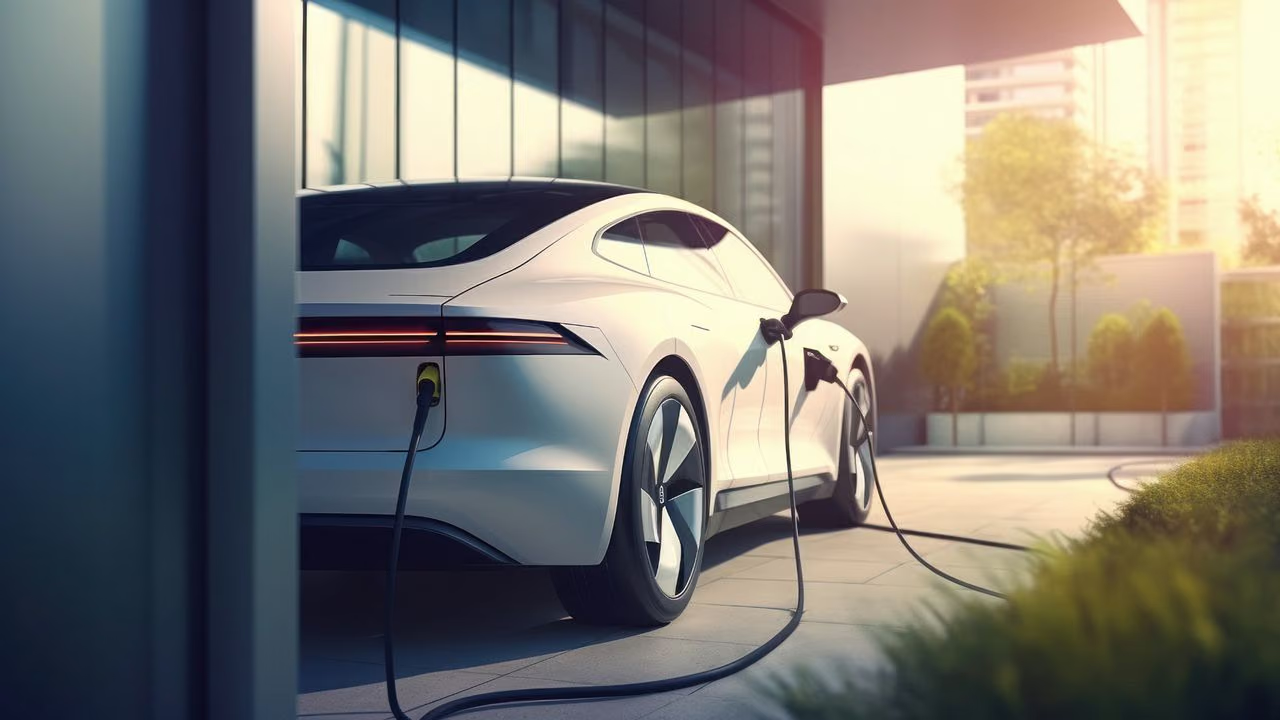
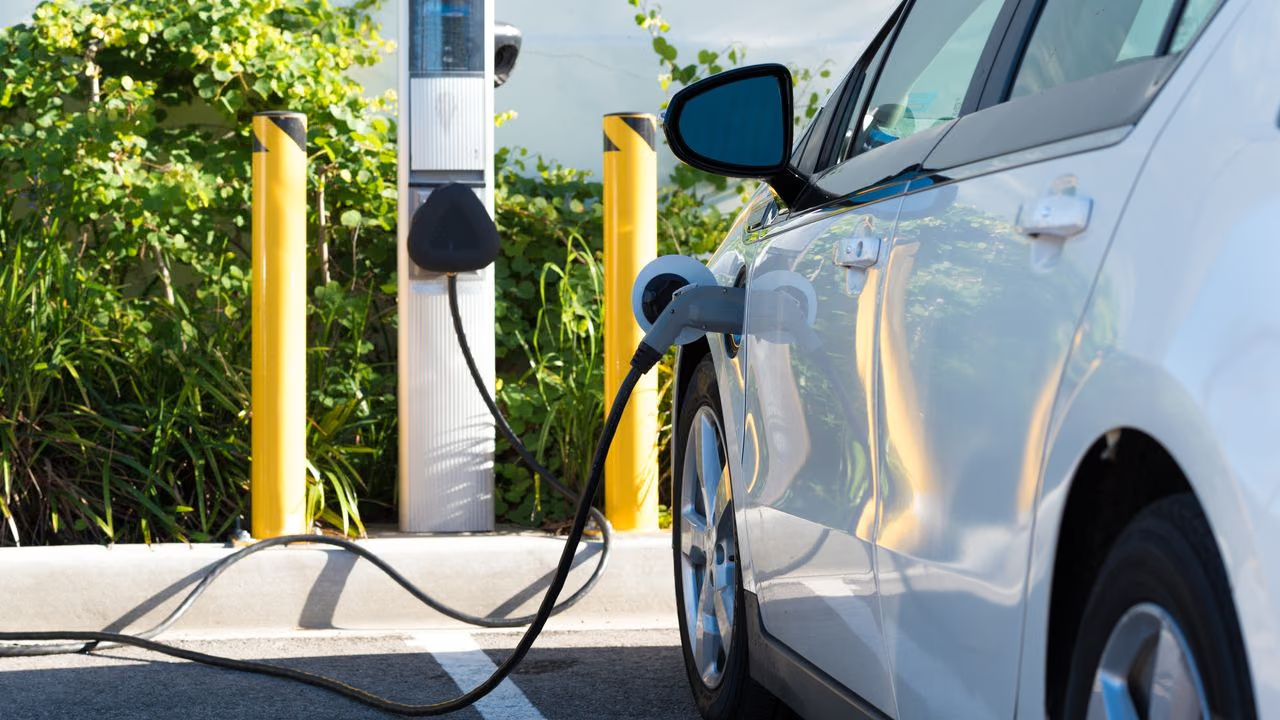
Electric vehicles (EVs) have gained significant popularity in recent years, thanks to their eco-friendly nature and cost-effective operation. As the number of EVs on the road continues to grow, the demand for efficient and reliable charging infrastructure has become more crucial than ever. To ensure a seamless user experience, EV charging session monitoring plays a pivotal role, encompassing various aspects such as error handling, authentication, and user behavior analysis.
Charging Session Error Handling
During an EV charging session, it is essential to have a robust error handling mechanism in place to address any potential issues that may arise. These errors can range from simple connectivity problems to more complex technical faults. By implementing effective error handling protocols, charging station operators can minimize downtime and provide a hassle-free experience to EV owners.
One common error encountered during charging sessions is a sudden power interruption. This can occur due to grid failures, tripped circuit breakers, or faulty charging equipment. To address such issues, charging stations should be equipped with advanced monitoring systems that can detect power interruptions in real-time. This allows operators to promptly resolve the problem and resume charging sessions without any inconvenience to the users.
Charging Session Authentication
Authentication is a crucial aspect of EV charging session monitoring, ensuring that only authorized users can access and utilize the charging infrastructure. By implementing secure authentication protocols, charging station operators can prevent unauthorized usage, protect user data, and maintain the integrity of the charging network.
One common method of authentication is the use of RFID (Radio Frequency Identification) cards or key fobs. These devices contain unique identification information that allows EV owners to initiate and authenticate their charging sessions. Additionally, mobile apps with built-in authentication mechanisms have gained popularity, providing a convenient and secure way for users to access charging stations.
Charging Session User Behavior
Analyzing user behavior during charging sessions can provide valuable insights for charging station operators. By understanding how users interact with the charging infrastructure, operators can optimize the overall user experience and make informed decisions regarding future upgrades and expansions.
One aspect of user behavior analysis is monitoring charging patterns. This involves tracking the duration of charging sessions, preferred charging times, and the frequency of usage. Such data can help operators identify peak usage periods and allocate resources accordingly, ensuring that charging stations are adequately equipped to meet the demand.
Furthermore, analyzing user behavior can also help identify potential issues or inefficiencies in the charging process. For example, if a particular charging station consistently experiences longer-than-average charging sessions, it may indicate a problem with the equipment or the need for additional charging stations in the area.
Conclusion
EV charging session monitoring plays a crucial role in ensuring a seamless and efficient user experience. By implementing effective error handling mechanisms, robust authentication protocols, and analyzing user behavior, charging station operators can optimize their infrastructure, minimize downtime, and provide a reliable charging service to EV owners.
As the adoption of electric vehicles continues to rise, investing in comprehensive EV charging session monitoring systems becomes increasingly important. By prioritizing user experience and addressing potential issues proactively, the EV charging industry can continue to thrive and support the transition to a greener future.