EV Charging Session Monitoring: A Nostalgic Journey into the Future
EV Charging Session Monitoring: A Nostalgic Journey into the Future Remember the days when we used to wait in long queues at gas stations, hoping to fill up…
By LED Marine Editorial3 min read
EV Charging Session Monitoring: A Nostalgic Journey into the Future
Remember the days when we used to wait in long queues at gas stations, hoping to fill up our vehicles quickly? Those days are now becoming a distant memory as electric vehicles (EVs) are taking over the roads. With the rise in popularity of EVs, the need for efficient charging infrastructure has become crucial. And that’s where EV charging session monitoring comes into play.
The Power Levels of Charging Sessions
One of the key aspects of EV charging session monitoring is keeping track of the power levels during each charging session. This information helps both the EV owners and charging station operators to understand the charging behavior and optimize the charging infrastructure accordingly.
By monitoring the power levels, charging station operators can determine the demand for charging at different times of the day. This data can be used to plan for future expansion, ensuring that there are enough charging stations available to meet the growing needs of EV owners.
On the other hand, EV owners can benefit from monitoring the power levels as well. It allows them to track their charging patterns and make adjustments to their charging habits if needed. For example, if an EV owner notices that their vehicle is charging at a slower rate than usual, they can investigate the issue and take appropriate action.
The Duration of Charging Sessions
Another important aspect of EV charging session monitoring is the duration of each charging session. This information helps both the EV owners and charging station operators to manage their time effectively.
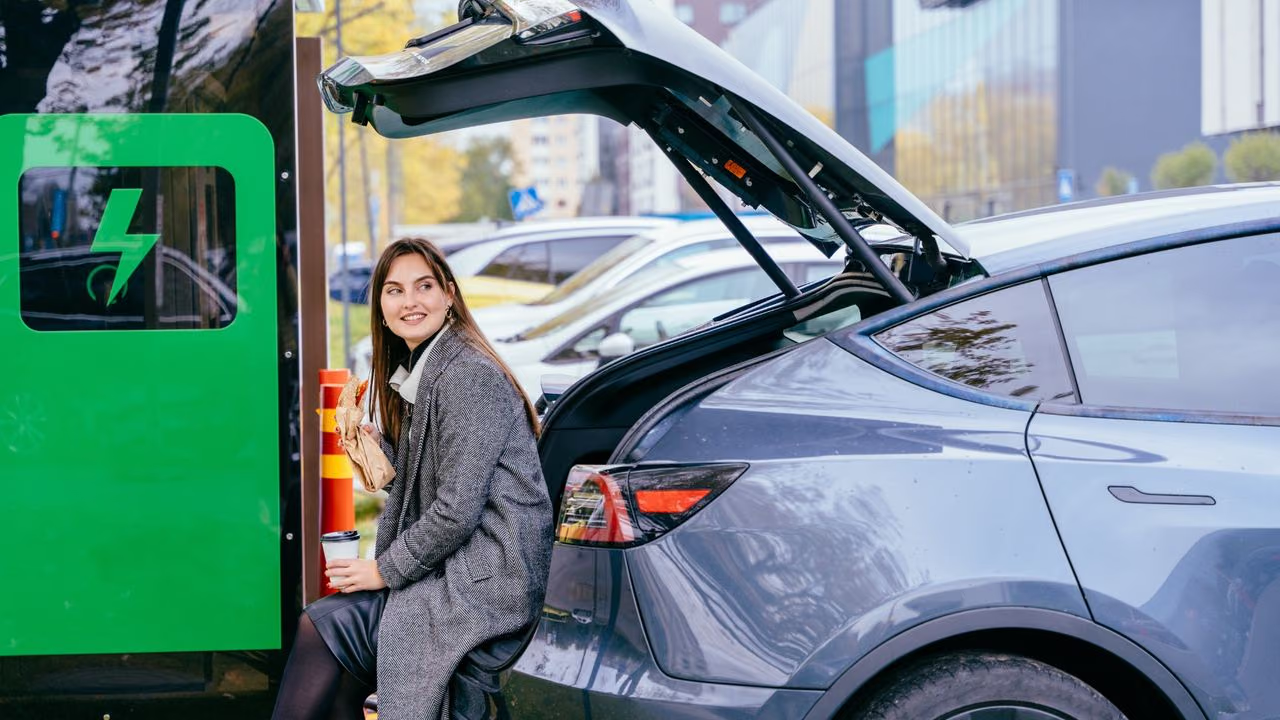
For EV owners, knowing the duration of their charging sessions allows them to plan their activities accordingly. They can estimate how long it will take to charge their vehicle and make arrangements to occupy themselves during that time. This could be catching up on work, running errands, or simply enjoying a cup of coffee nearby.
Charging station operators, on the other hand, can use the duration of charging sessions to optimize the utilization of their charging infrastructure. By analyzing the average duration of charging sessions, they can identify any bottlenecks or inefficiencies in the system. This information can then be used to improve the overall charging experience for EV owners.
User Preferences in Charging Sessions
EV charging session monitoring also allows for the collection of user preferences, which can greatly enhance the charging experience for EV owners. By understanding the preferences of their customers, charging station operators can tailor their services to meet those needs.
For example, some EV owners may prefer to charge their vehicles at a specific power level to optimize their charging time. By offering customizable charging options, charging station operators can cater to these preferences and provide a more personalized experience.
Additionally, monitoring user preferences can help charging station operators identify any additional services or amenities that EV owners may desire. This could include features such as reserved parking spots, access to Wi-Fi, or even on-site amenities like cafes or lounges. By incorporating these preferences into their charging infrastructure, operators can create a more enjoyable and convenient charging experience for EV owners.
In Conclusion
EV charging session monitoring is not just about tracking data; it’s about creating a seamless and efficient charging experience for EV owners. By monitoring the power levels, duration of charging sessions, and user preferences, charging station operators can optimize their infrastructure and provide a more personalized service. As we continue to embrace the future of electric vehicles, let’s not forget the nostalgic journey we took to get here.