EV Charging Network Management: Optimizing Efficiency & Performance
EV Charging Network Management: The Key to Efficient Charging EV Charging Network Management: The Key to Efficient Charging As the popularity of electric…
By LED Marine Editorial2 min read
EV Charging Network Management: The Key to Efficient Charging
As the popularity of electric vehicles (EVs) continues to rise, the need for a reliable and efficient charging infrastructure becomes increasingly important. EV charging network management plays a crucial role in ensuring the smooth operation of charging stations, optimizing their performance, and providing a seamless experience for EV owners. In this article, we will explore the significance of charging network maintenance, diagnostics, and load management in the context of EV charging infrastructure.
Charging Network Maintenance
Regular maintenance of charging networks is essential to keep the charging stations in optimal working condition. This includes routine inspections, cleaning, and repairs. By conducting preventive maintenance, potential issues can be identified and resolved before they escalate into major problems that could disrupt the charging service.
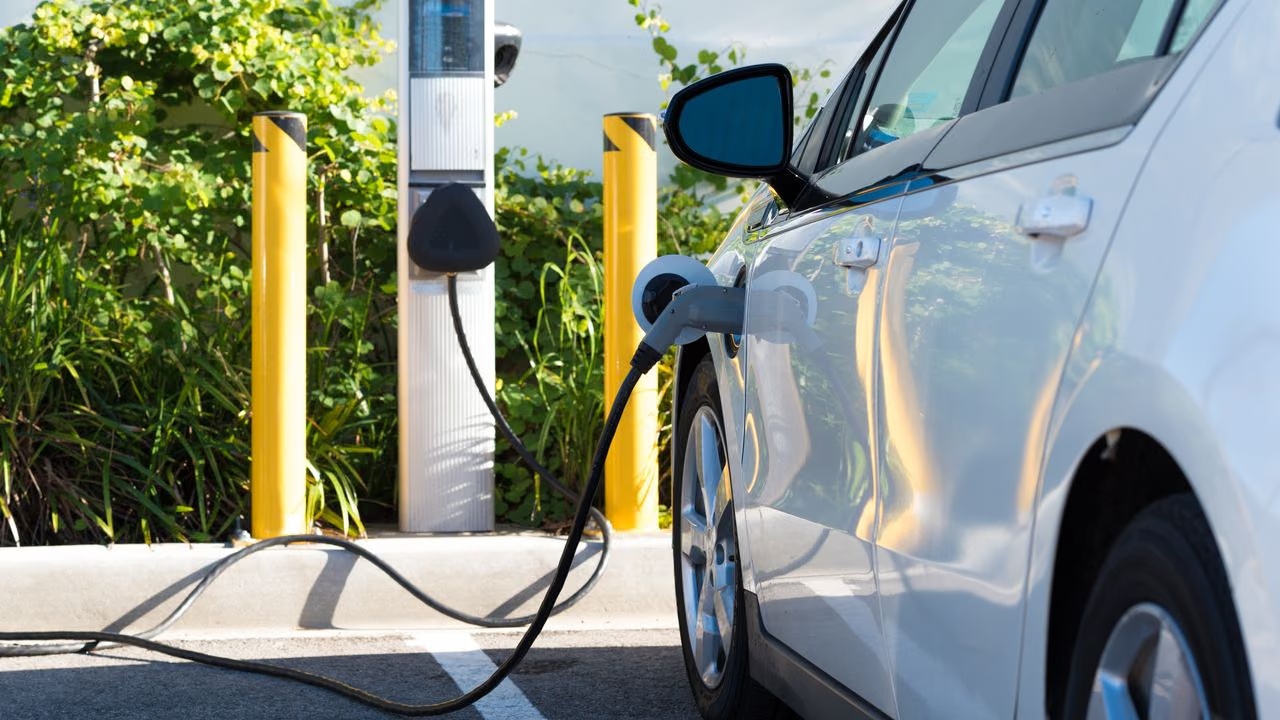
During maintenance, charging station operators should inspect the physical components of the stations, such as cables, connectors, and charging plugs, to ensure they are in good condition. Additionally, software updates should be performed to keep the charging network up-to-date with the latest features and security enhancements.
Charging Network Diagnostics
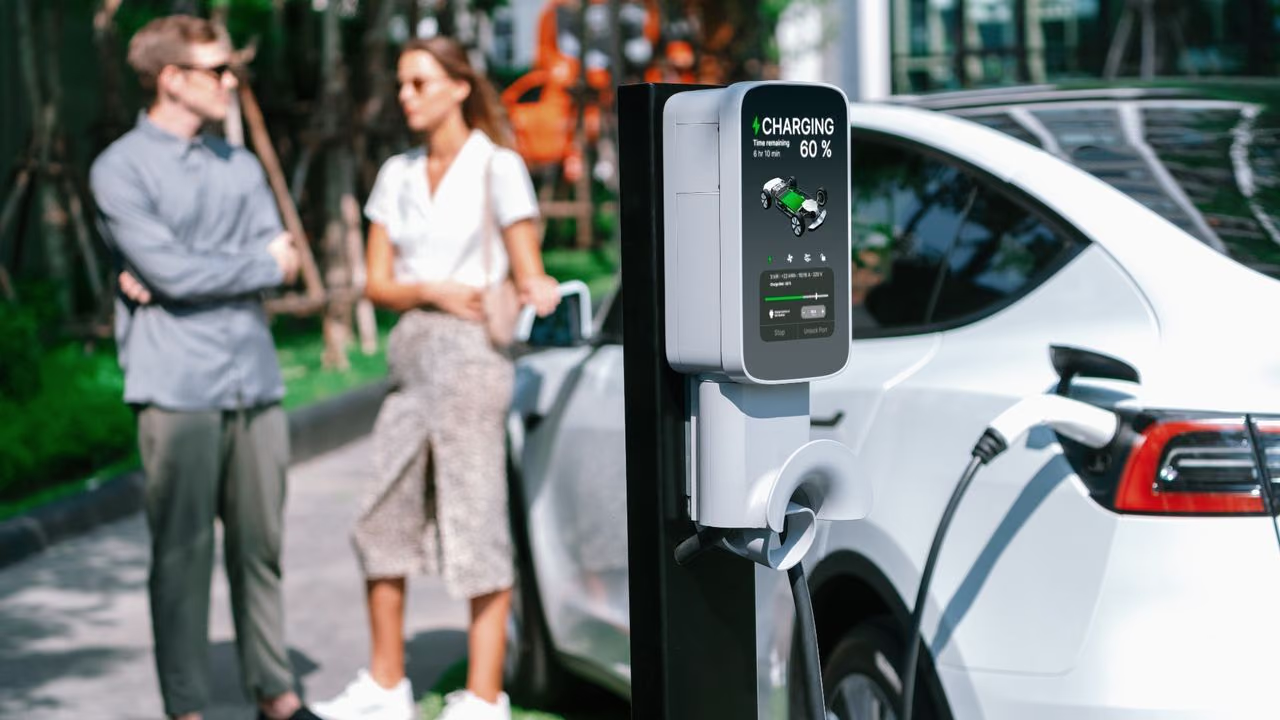
Charging network diagnostics involve the use of advanced technologies to monitor and analyze the performance of charging stations. By collecting data on various parameters, such as charging speed, energy consumption, and connectivity, charging network operators can identify any anomalies or issues that may affect the charging process.
Through real-time diagnostics, charging network operators can proactively address problems, minimizing downtime and maximizing the availability of charging stations. This not only improves the user experience but also helps in reducing maintenance costs and optimizing the overall efficiency of the charging network.
Charging Network Load Management
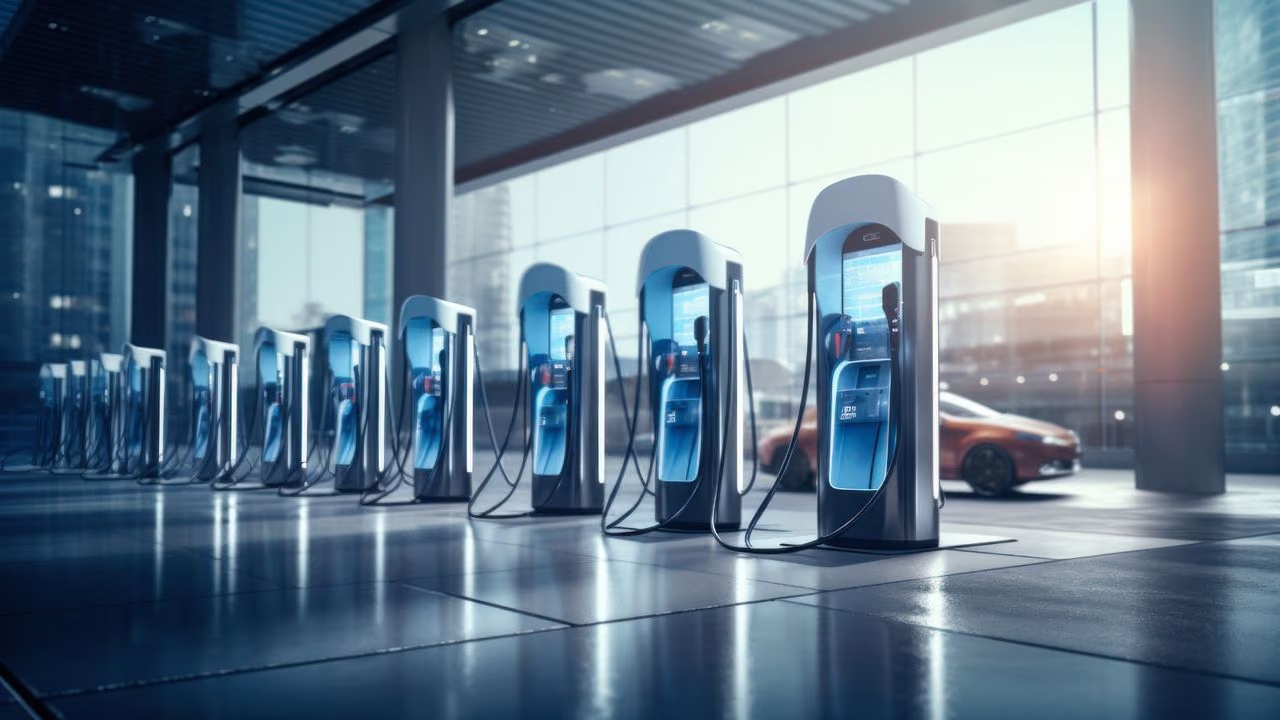
One of the key challenges in managing an EV charging network is balancing the demand for charging with the available power capacity. Charging network load management involves strategies and technologies to distribute the charging load across the network, preventing overloading and ensuring a consistent supply of power.
Load management techniques include load balancing, where the available power is distributed evenly among the charging stations, and demand response, which allows charging stations to adjust their power consumption based on the grid’s capacity. By implementing these measures, charging network operators can avoid power outages, reduce stress on the grid, and optimize the utilization of available resources.
Conclusion
Efficient management of EV charging networks is crucial for the widespread adoption of electric vehicles. By prioritizing charging network maintenance, conducting regular diagnostics, and implementing load management strategies, operators can ensure a reliable and seamless charging experience for EV owners.
As the EV market continues to grow, investing in robust charging network management becomes imperative. By staying proactive and embracing innovative technologies, charging network operators can meet the increasing demand for EV charging and contribute to the transition towards a sustainable transportation future.