EV Charging Network Management: Keeping Your Stations Running Smoothly
EV Charging Network Management: Keeping Your Charging Stations Up and Running As electric vehicles (EVs) become more popular, the need for a reliable and…
By LED Marine Editorial3 min read
EV Charging Network Management: Keeping Your Charging Stations Up and Running
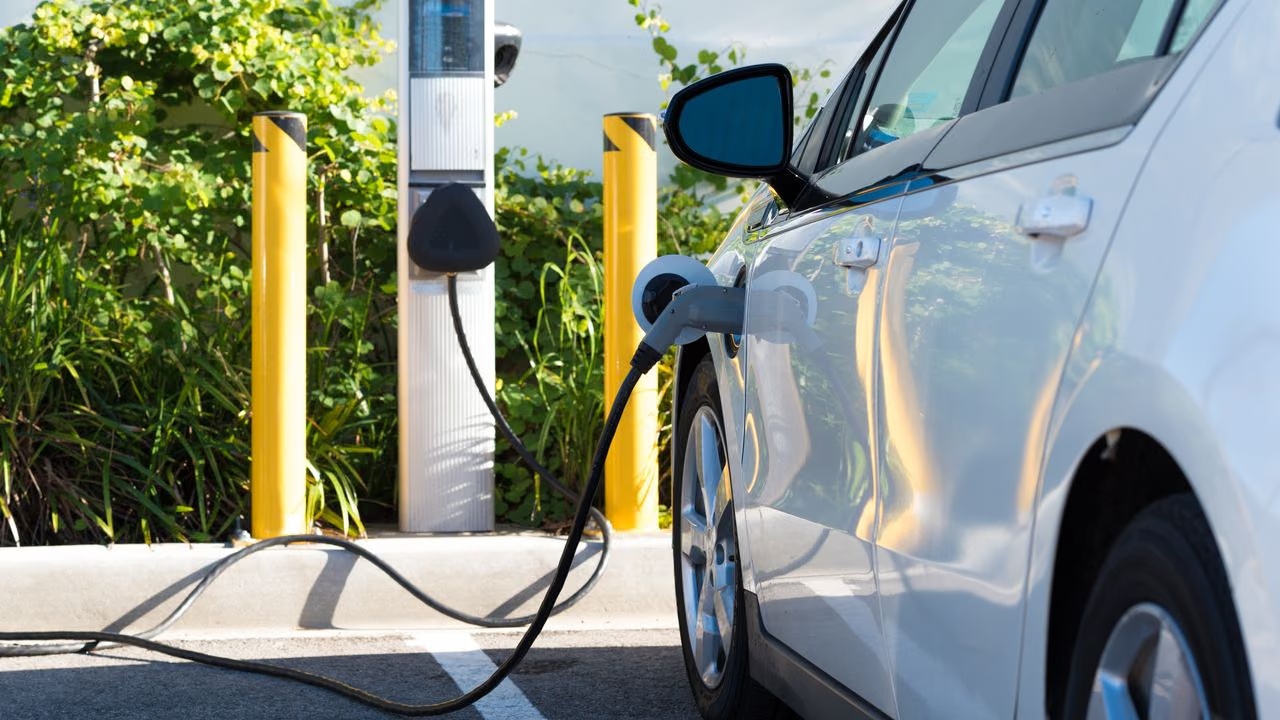
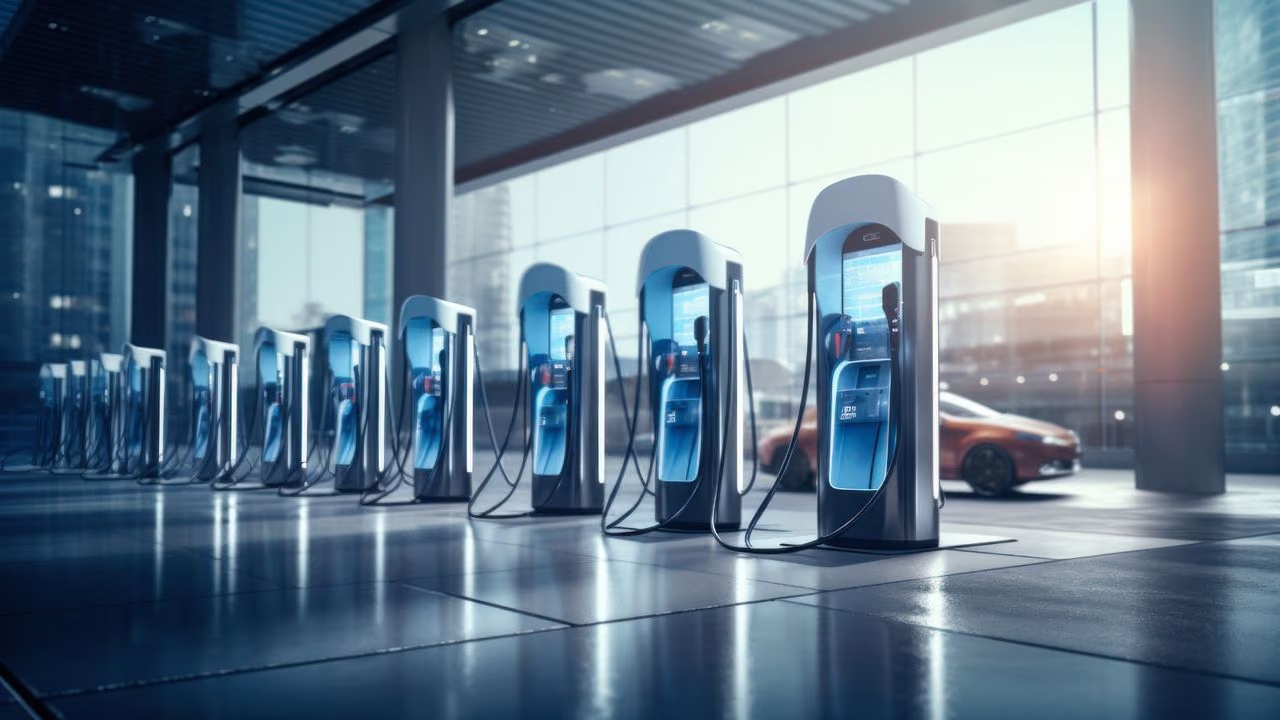
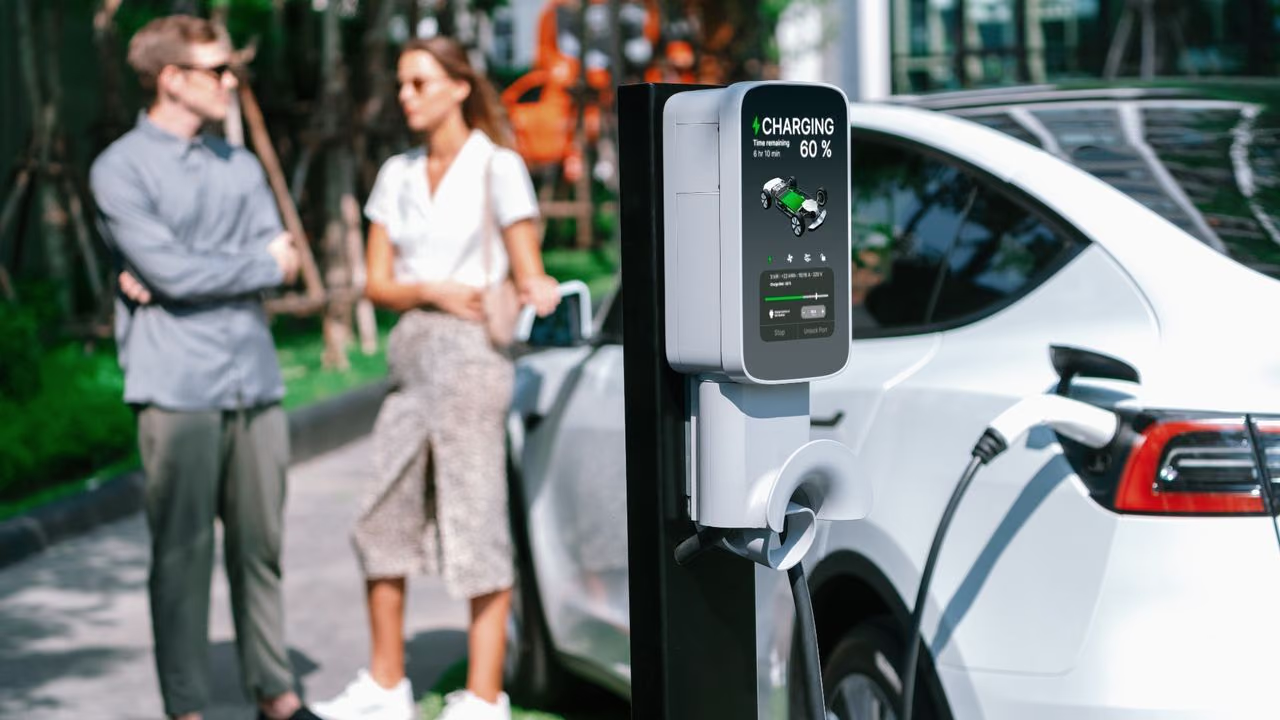
As electric vehicles (EVs) become more popular, the need for a reliable and efficient charging network is paramount. EV charging network management plays a crucial role in ensuring that charging stations are well-maintained, connected, and diagnosed for any issues. In this article, we will explore the importance of charging network maintenance, connectivity, and diagnostics.
Charging Network Maintenance: Ensuring Smooth Operations
Just like any other infrastructure, EV charging stations require regular maintenance to function optimally. Maintenance tasks may include cleaning the charging stations, inspecting electrical connections, testing the charging equipment, and updating software.
Regular cleaning of charging stations is essential to remove any dirt or debris that may hinder proper charging. Additionally, inspecting electrical connections helps identify any loose wires or faulty components that could lead to charging failures. By regularly testing the charging equipment, operators can detect any issues early on and address them promptly.
Updating software is another crucial aspect of charging network maintenance. Software updates often include bug fixes, security patches, and performance enhancements. Keeping the charging network’s software up to date ensures a seamless and secure charging experience for EV owners.
Charging Network Connectivity: Keeping EVs Charged Anywhere
A robust charging network relies on strong connectivity to provide a seamless charging experience for EV owners. Without a reliable network connection, EV charging stations would be rendered ineffective. Therefore, charging network operators must prioritize connectivity to ensure that drivers can charge their vehicles anywhere, anytime.
One way to enhance connectivity is by using cellular or Wi-Fi networks to connect charging stations. These networks enable real-time communication between the charging stations and the network management system, allowing operators to monitor and control charging operations remotely.
Moreover, charging network operators should consider installing charging stations in areas with good network coverage. This ensures that drivers can easily connect their vehicles to the charging stations without experiencing any connectivity issues.
Charging Network Diagnostics: Identifying and Resolving Issues
Even with proper maintenance and connectivity, charging stations may encounter occasional issues. Charging network diagnostics play a crucial role in identifying and resolving these issues promptly.
By implementing a comprehensive diagnostic system, operators can monitor the charging stations’ performance in real-time. This system can detect abnormalities such as charging failures, slow charging rates, or communication errors. Once an issue is identified, operators can take necessary actions to resolve it, such as replacing faulty components or performing remote software updates.
Moreover, charging network diagnostics can help identify patterns or trends in charging station performance. This information can be used to improve the overall charging network infrastructure and optimize operations.
Conclusion
Effective EV charging network management is essential for maintaining a reliable and efficient charging infrastructure. Regular maintenance ensures smooth operations, while strong connectivity guarantees that drivers can charge their vehicles anywhere. Additionally, charging network diagnostics help identify and resolve issues promptly, leading to a better charging experience for EV owners.
By prioritizing charging network maintenance, connectivity, and diagnostics, operators can contribute to the growth of electric vehicles and make the transition to cleaner transportation smoother for everyone.