
EV Charging Network Management: Expansion, Utilization, Alerts
EV Charging Network Management: Optimizing Expansion, Utilization, and Alerts Electric vehicles (EVs) are becoming increasingly popular as people recognize…
By LED Marine Editorial3 min read

EV Charging Network Management: Optimizing Expansion, Utilization, and Alerts
Electric vehicles (EVs) are becoming increasingly popular as people recognize the environmental and economic benefits they offer. As a result, the demand for EV charging infrastructure continues to grow. To meet this demand, efficient management of EV charging networks is essential. This article explores the key aspects of EV charging network management, including expansion, utilization, and alerts.
Charging Network Expansion
As the number of EVs on the road increases, it is crucial to expand the charging network to ensure convenient access to charging stations. Charging network expansion involves identifying suitable locations for new charging stations and installing the necessary infrastructure.
One approach to expanding the charging network is to collaborate with businesses, municipalities, and other organizations to install charging stations at strategic locations. These locations could include shopping centers, office complexes, and public parking lots. By partnering with various stakeholders, the charging network can be expanded quickly and efficiently.
Another important aspect of charging network expansion is ensuring compatibility between different charging stations. Standardization of charging protocols and connectors is vital to enable seamless charging experiences for EV owners. This allows EV drivers to use any charging station within the network, regardless of the vehicle brand they own.
Charging Network Utilization
Efficient utilization of the charging network is crucial to optimize its capacity and ensure a smooth charging experience for EV owners. Charging network operators can employ various strategies to manage utilization effectively.
One approach is to implement dynamic pricing based on demand. By adjusting charging rates during peak and off-peak hours, operators can encourage EV owners to charge their vehicles when the network is less congested. This helps to distribute the load evenly and avoid overloading the network during high-demand periods.
Another strategy is to implement reservation systems that allow EV owners to reserve charging slots in advance. This helps to minimize waiting times and ensures that charging stations are available when needed. Additionally, operators can provide real-time information about the availability of charging stations through mobile applications or websites, enabling EV owners to plan their charging sessions effectively.
Charging Network Alerts
Charging network operators need to be proactive in addressing any issues or disruptions in the network. Implementing an alert system can help operators identify and resolve problems promptly.
Alerts can be triggered by various factors, such as equipment malfunctions, power outages, or network connectivity issues. Operators can set up automated monitoring systems that detect these issues and send alerts to the appropriate personnel. This allows for timely intervention and minimizes downtime for charging stations.
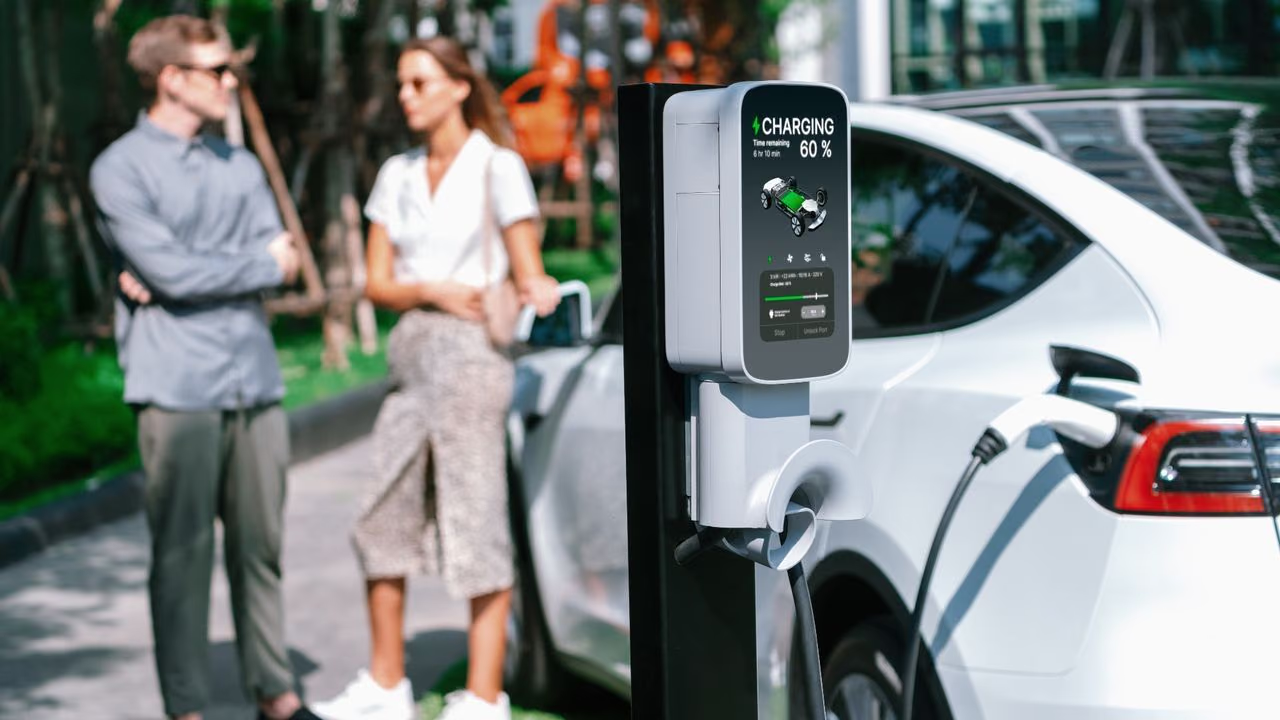
In addition to technical alerts, operators can also provide notifications to EV owners regarding the status of their charging sessions. This could include alerts when a charging session is complete or if there are any unexpected interruptions. By keeping EV owners informed, operators can enhance the overall charging experience and build trust in the network.
Conclusion
Effective management of EV charging networks is essential to meet the growing demand for electric vehicles. By focusing on expansion, utilization, and alerts, charging network operators can optimize the network’s capacity, ensure convenient access to charging stations, and provide a seamless charging experience for EV owners. As the EV market continues to evolve, it is crucial to adapt and improve charging network management strategies to support the widespread adoption of electric vehicles.